Tiling over an existing surface is appropriate only when the substrate and every retained layer are stable, bonded, clean, dry enough for the system and compatible with the selected primer, membrane and adhesive. New tile does not repair hidden movement, moisture or weak finishes.
| Existing surface | Questions |
|---|---|
| Old tiles | Bond, cracks, contamination, movement, levels and wet-area history |
| Painted wall | Paint adhesion, type, moisture, preparation and adhesive approval |
| Concrete | Cure, cracks, moisture, contamination, flatness and joints |
| Fibre-cement sheet | Exact product, framing, fasteners, joints, weight and wet-area system |
| Steel or metal | Deflection, corrosion, thermal movement and proprietary support system |
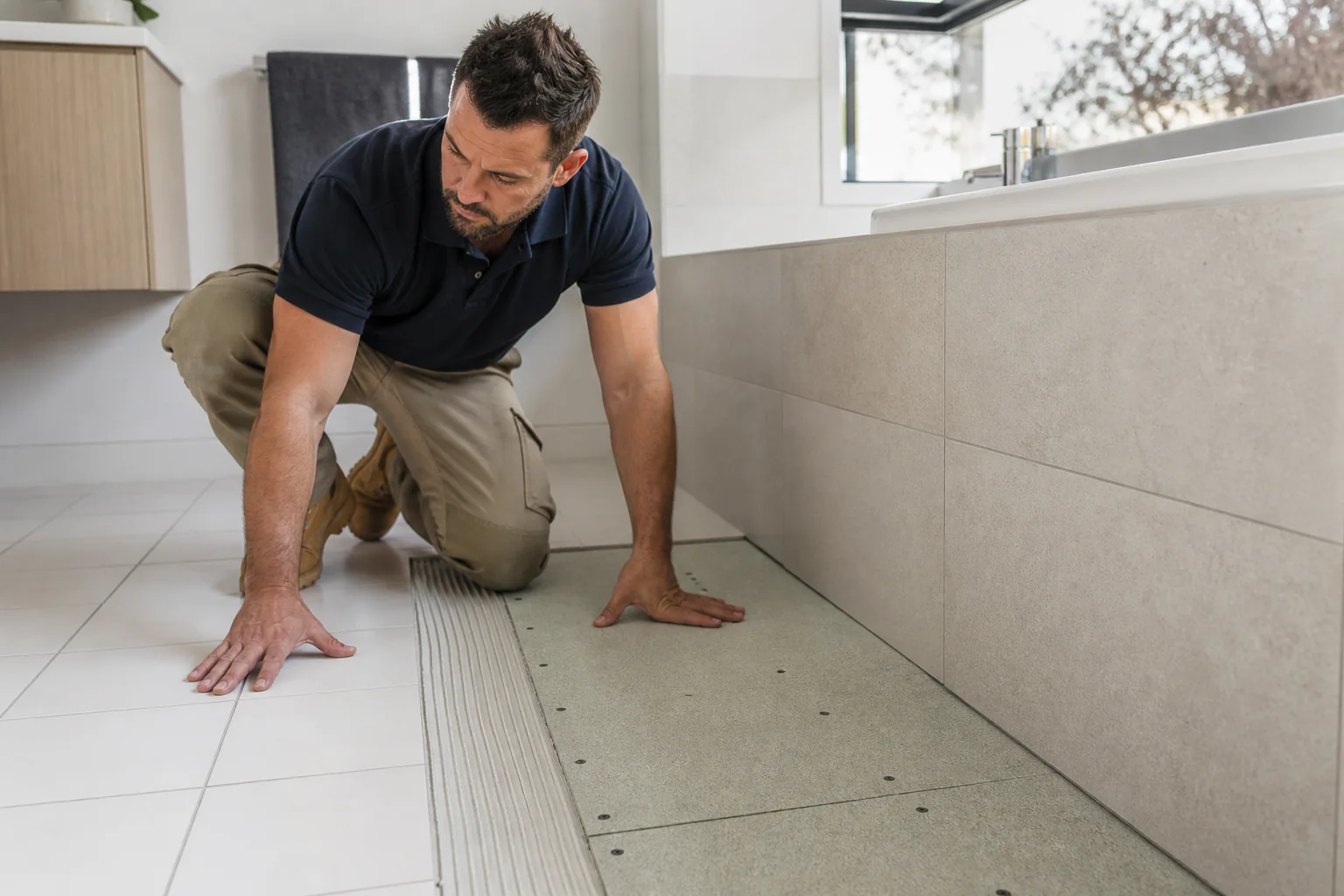
Tap and inspect the retained finish, but do not rely on one informal test. Investigate cracks, drummy areas, failed grout, leaks and movement. Clean residues and confirm the preparation and primer required by the adhesive supplier. Added thickness can conflict with doors, wastes, taps, skirtings and waterproofed transitions.
Use the exact sheet manufacturer’s current guide. James Hardie documentation for compressed sheet and external fibre-cement applications links tile weight, framing, sheet joints, waterproofing, adhesive compatibility and movement joints. Instructions for one product must not be transferred to another board.
Paint is only as reliable as its bond to the wall. Weak, glossy, contaminated or moisture-affected coatings may need removal. Steel expands, contracts and deflects differently from masonry; direct bonding should not be improvised. Use a designed lining or proprietary system where appropriate.
Cutting tile, stone, concrete and some sheet products can generate respirable crystalline silica. Safe Work Australia guidance covers risk assessment, controls, wet cutting, dust cleanup, training and respiratory protection. Older buildings may also require asbestos assessment before disturbance.
Sometimes, when the existing assembly is sound and the complete overlay system is documented.
Only after confirming the coating and its bond are suitable for the approved preparation and adhesive system.
Use the exact board manufacturer’s framing, fixing, joint, waterproofing and tile-weight instructions.
Do not assume direct bonding is suitable. Metal movement and deflection usually require a designed system.
No. Identify and repair the water-management failure before covering the surface.
Send site photographs, dimensions, substrate information and intended finish through the Forge contact page for material coordination.
Evidence boundary: General guidance only; obtain site-specific advice before retaining or covering existing work.
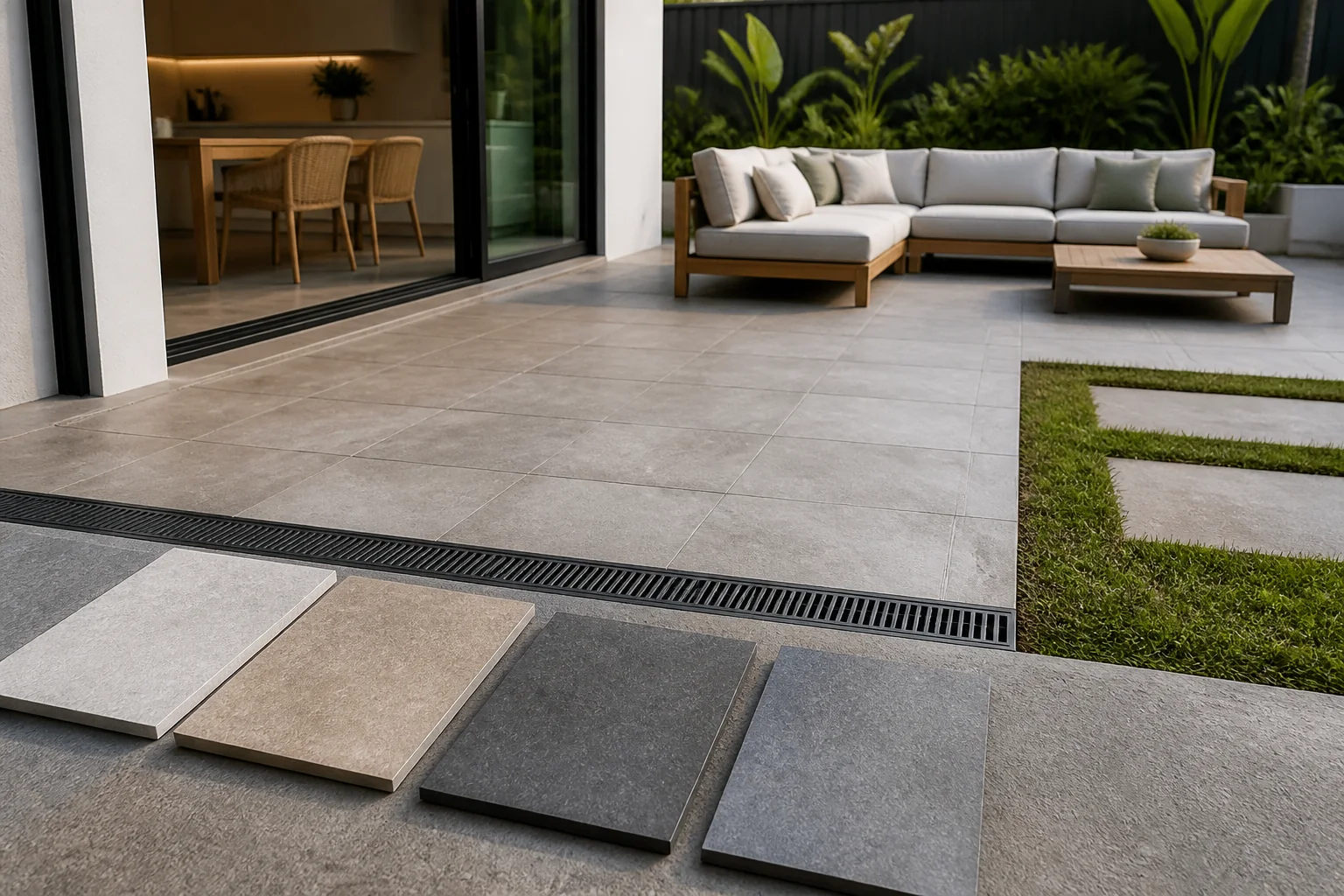
Compare exterior tile prices by including product, substrate, drainage, slip, waterproofing, trims, delivery, waste and installation in the project budget.
2026-08-29
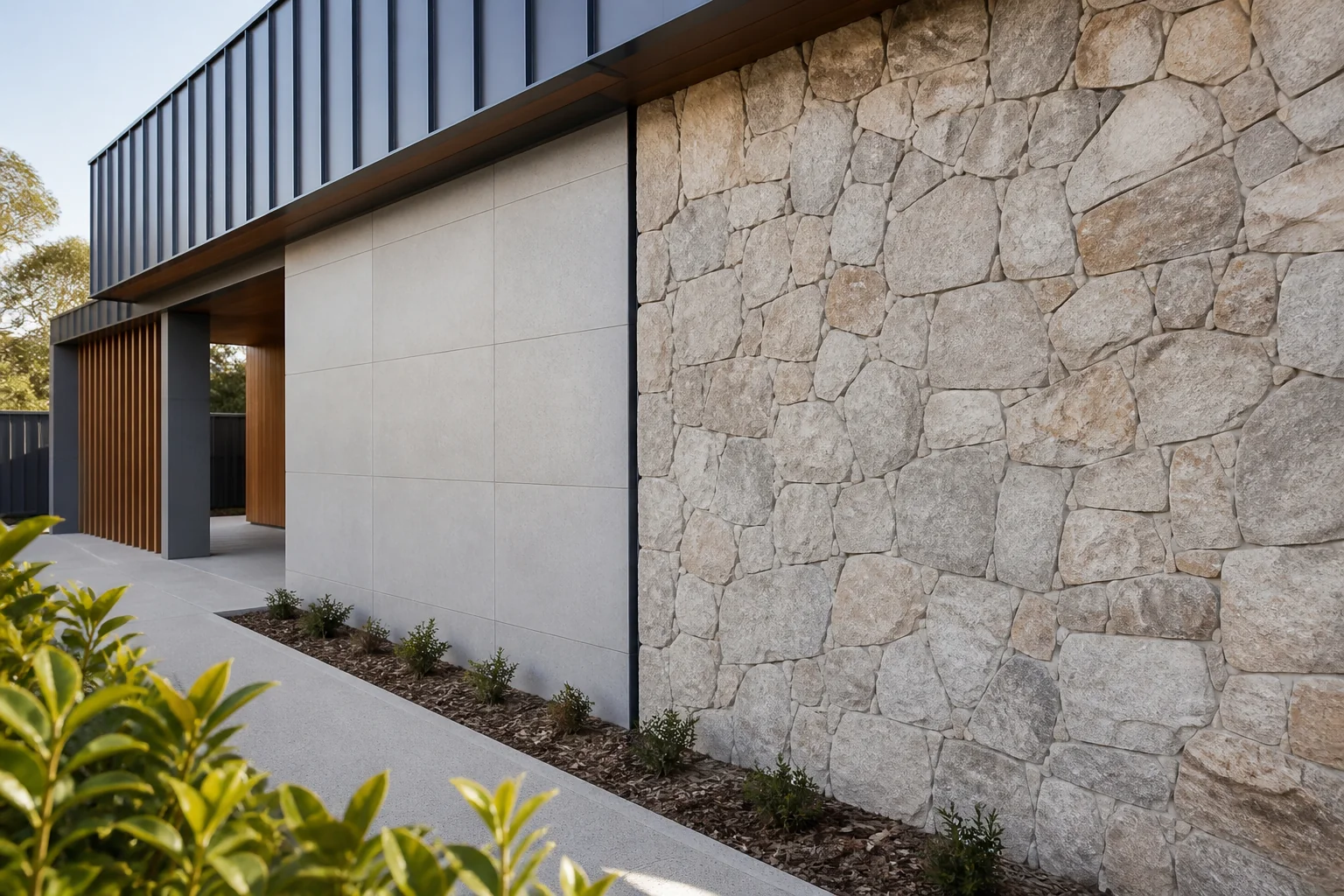
Compare wall cladding by structure, water control, fire, weather, fixing, joints, maintenance, documentation and whole-system compatibility.
2026-09-03
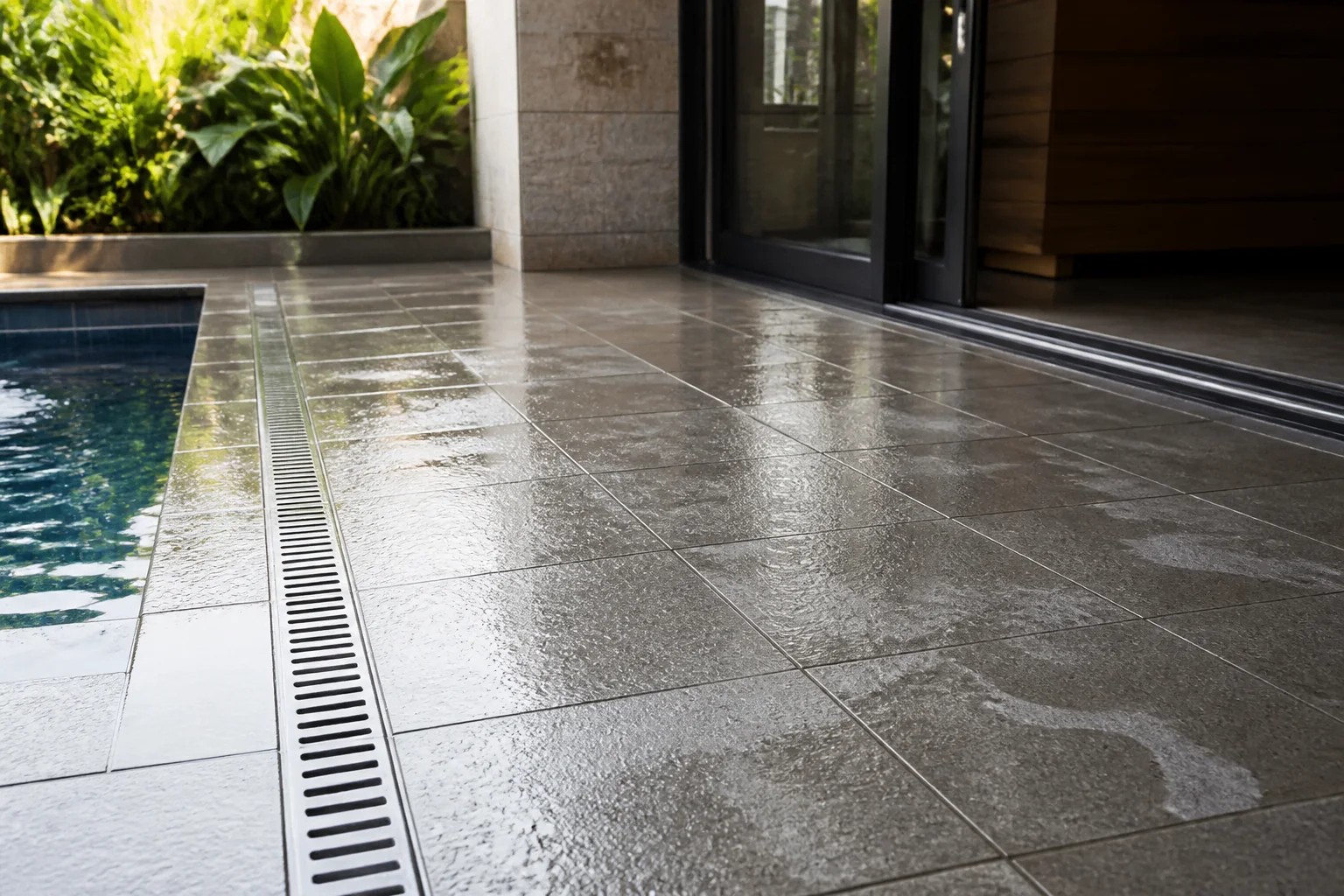
Select anti-slip tiles by checking the exact test information, wet or dry exposure, cleaning behaviour, falls, grout and maintenance plan.
2026-09-07
Evaluate Xiaomi products Australia for Australian projects by checking intended use, product evidence, dimensions, installation, maintenance, delivery and sup.
2026-09-11

Evaluate tiles and tiling installation and substrate guide for Australian projects by checking intended use, product evidence, dimensions, installation, maint.
2026-09-15
Evaluate Kohler products Australia for Australian projects by checking intended use, product evidence, dimensions, installation, maintenance, delivery and sup.
2026-09-19