A DIY kitchen wall tiling project is mostly preparation. The wall, services, cabinets, benchtop, grout and exposed edges need one layout before adhesive is opened. Measure the finished kitchen and protect the work area while checking which tasks require a qualified trade.
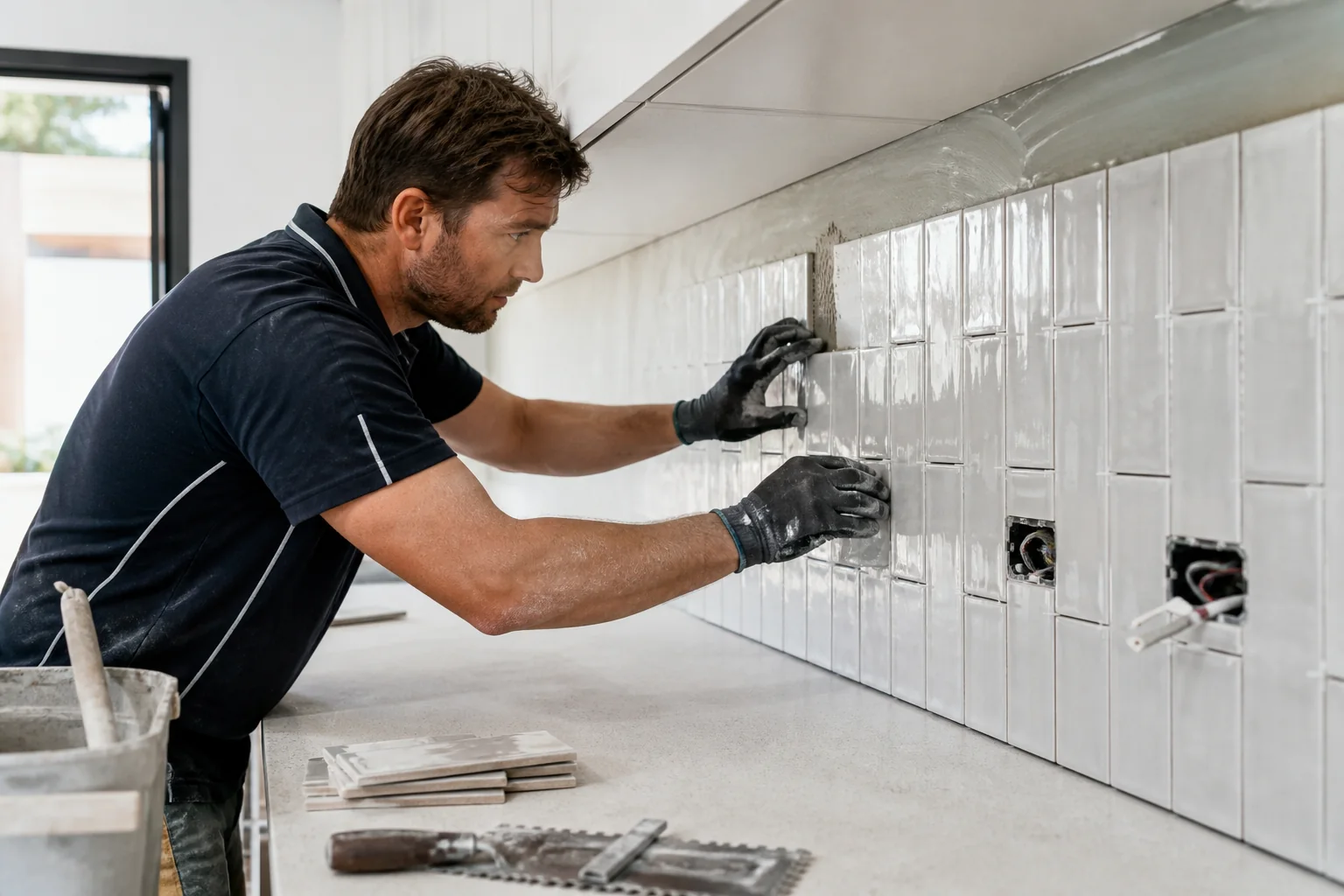
Check whether the wall is flat, sound, dry and free from loose paint, grease or movement. Locate outlets, switches, plumbing, rangehood services and the underside of cabinets before setting out the splashback. A tile layout cannot correct a weak or contaminated substrate.
Mark the bench, cabinets, appliances, corners, window reveals and visible edges. Decide the starting line, repeat, joint width, trim and any returns before cutting. Keep the tile build-up aligned with the benchtop and the adjoining wall finish.
| Check | What to record |
|---|---|
| Substrate | Flatness, backing, moisture, paint and cleaning |
| Services | Power, water, gas, rangehood and cut-out zones |
| Layout | Start point, pattern, cuts, corners and exposed edges |
| Handover | Grout, sealant, care instructions and spare pieces |
Do not drill into hidden services or assume a surface is waterproof because it looks finished. Use the selected product instructions and ask the relevant trade to handle electrical, gas, plumbing and waterproofing work. Photograph the wall and approved layout before the tile is covered.
Only after checking the substrate, paint adhesion, moisture, weight and selected adhesive system.
Use the benchtop, cabinets, window and most visible edge to decide; a centred pattern is not always the cleanest result.
Follow the product instructions for grout, porous surfaces, junctions and the benchtop or sink interface.
Evidence boundary: Exact product suitability, Australian requirements, pricing and installation responsibility depend on the selected system and project. Check current manufacturer documents and obtain advice from the relevant Australian building professional before approval.
Send the wall dimensions, cabinet elevations, service locations and preferred tile through the Forge contact page.
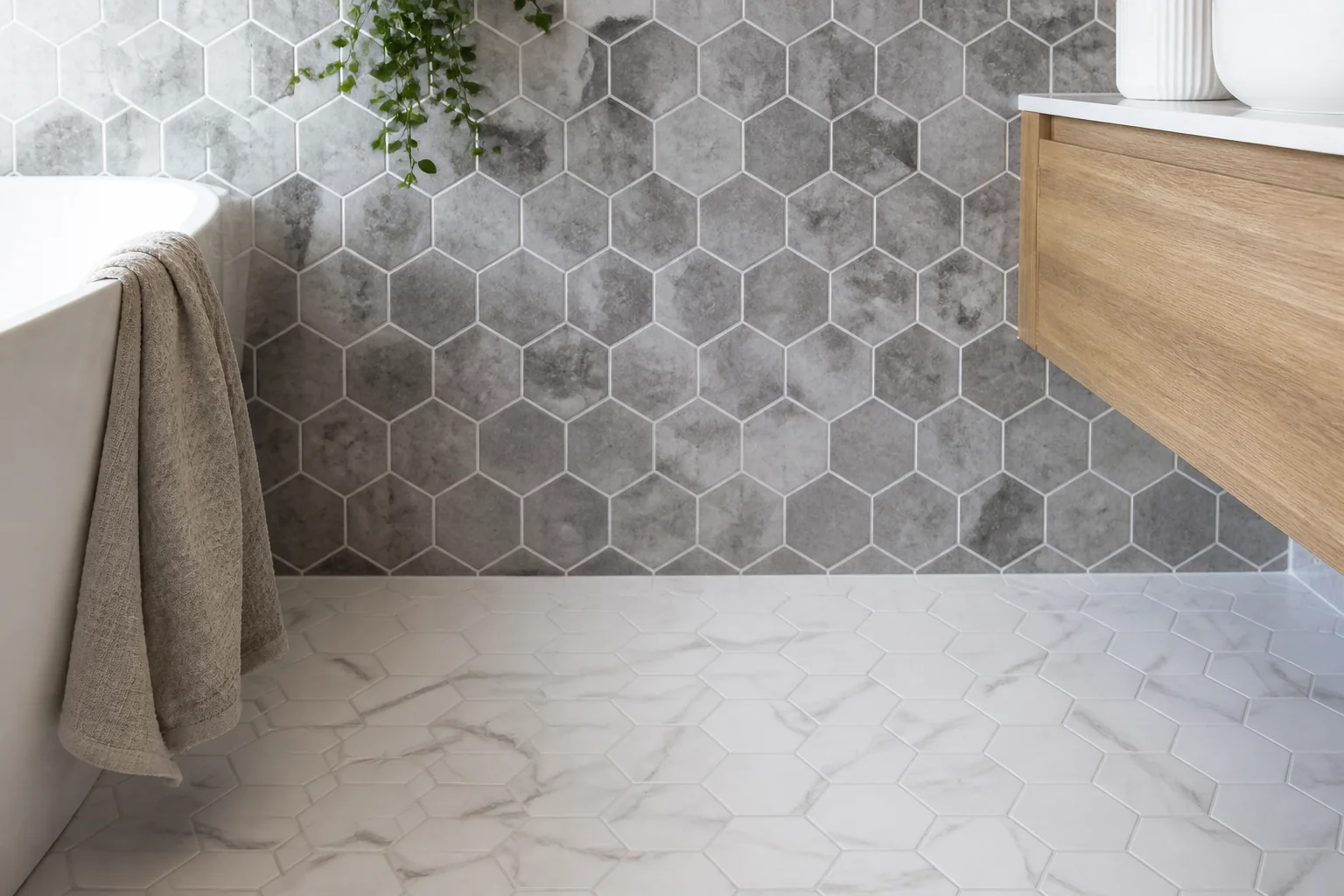
Plan hexagon tiles by comparing size, sheet backing, pattern, grout, edge cuts, slip, substrate, installation and cleaning requirements.
2026-09-01
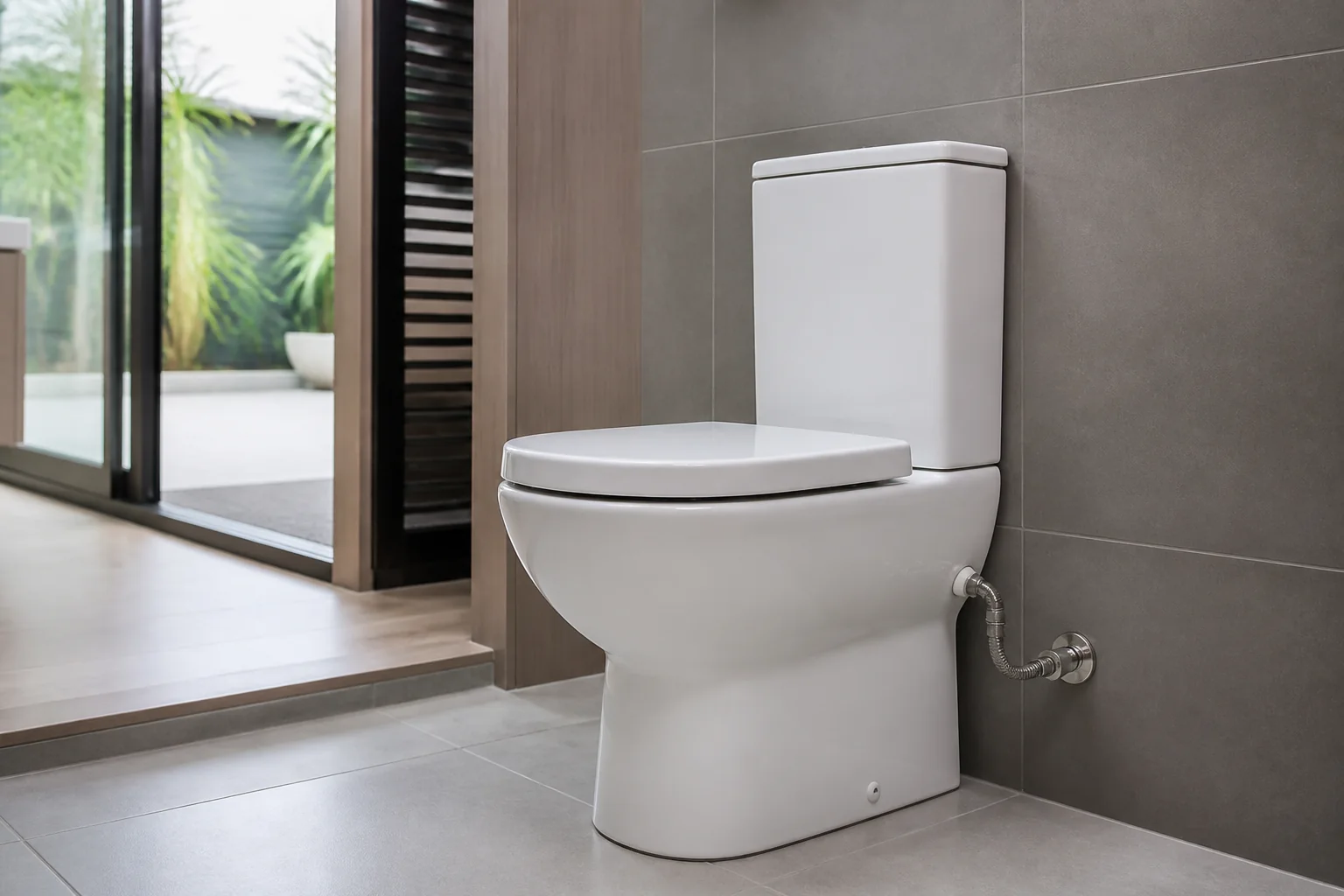
Choose a toilet by checking the pan type, set-out, WELS registration, flush performance, dimensions, access, cleaning and installation scope.
2026-09-05
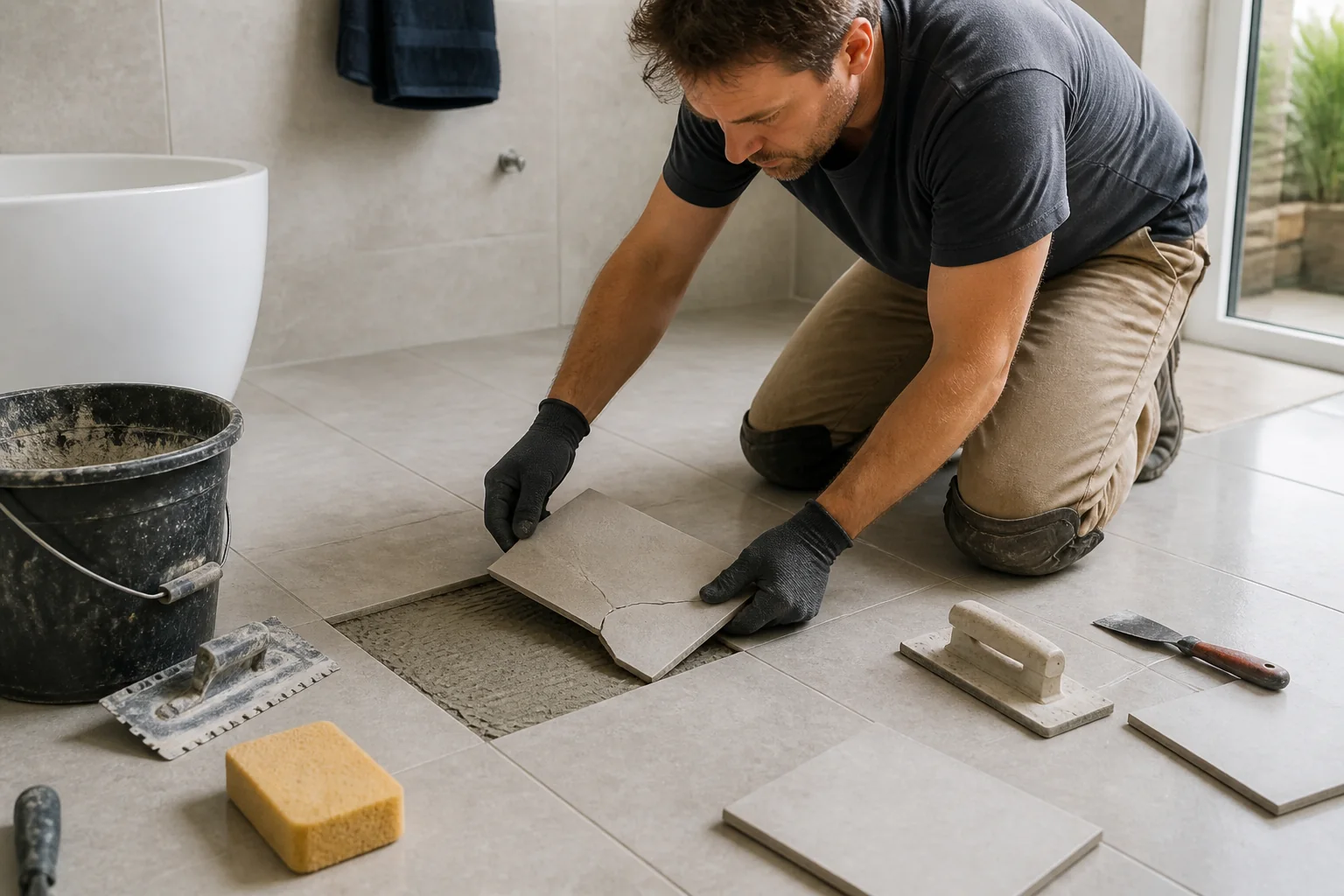
Diagnose tile cracks, loose pieces, stains and grout failure before repair; keep batch records, spare stock and the correct maintenance method.
2026-09-09
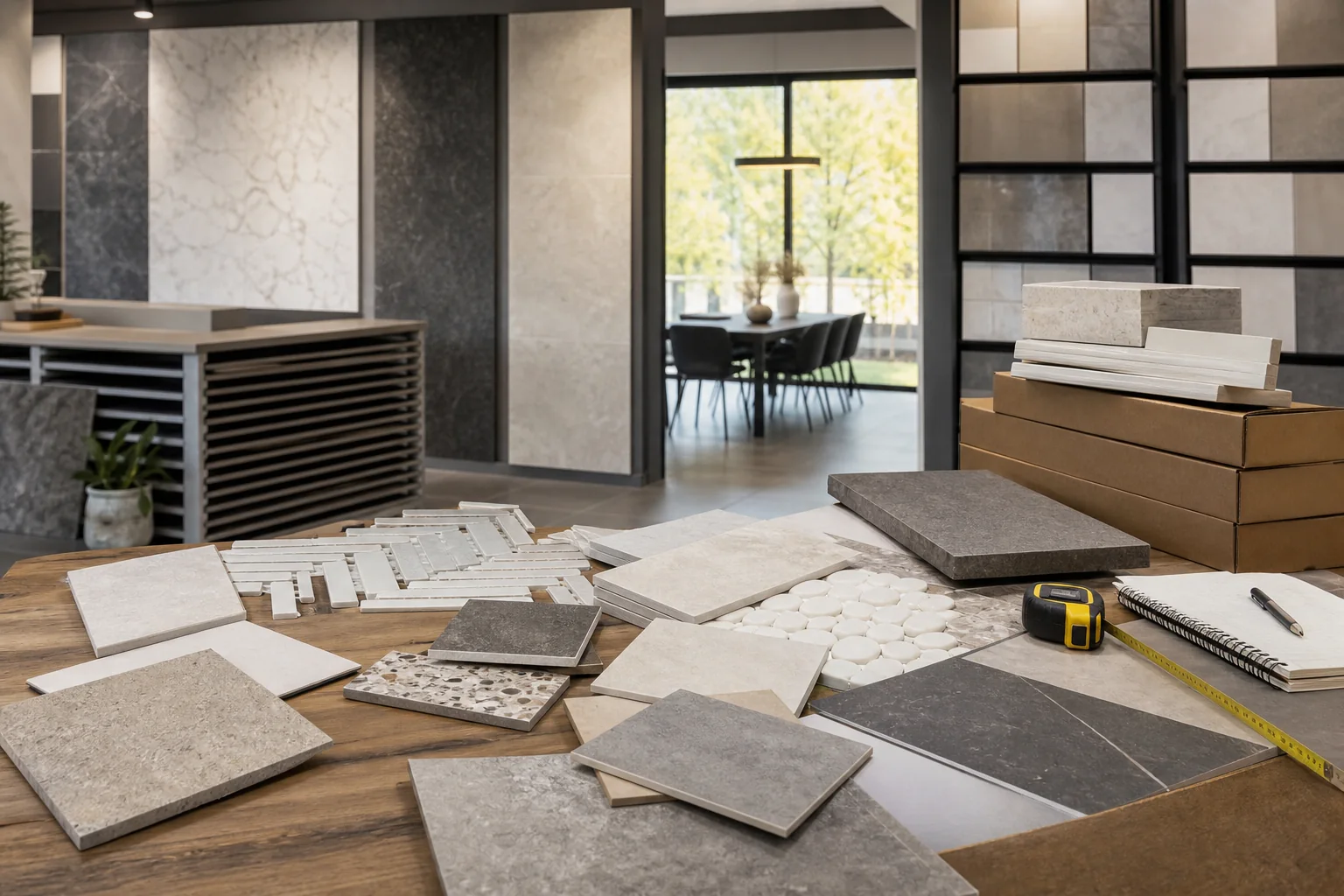
Evaluate Duragres products Australia for Australian projects by checking intended use, product evidence, dimensions, installation, maintenance, delivery and s.
2026-09-13
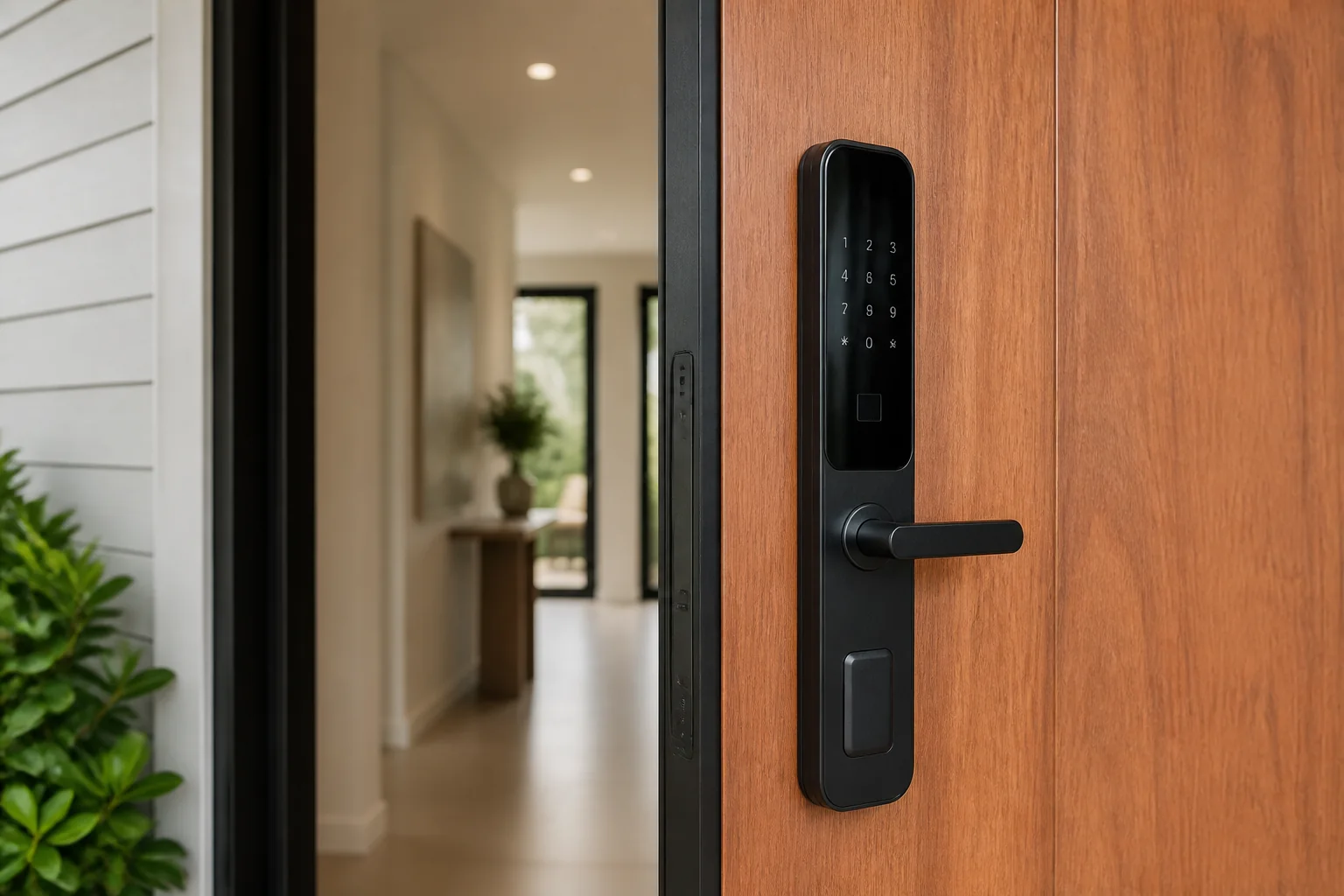
Evaluate Samsung products Australia for Australian projects by checking intended use, product evidence, dimensions, installation, maintenance, delivery and su.
2026-09-17
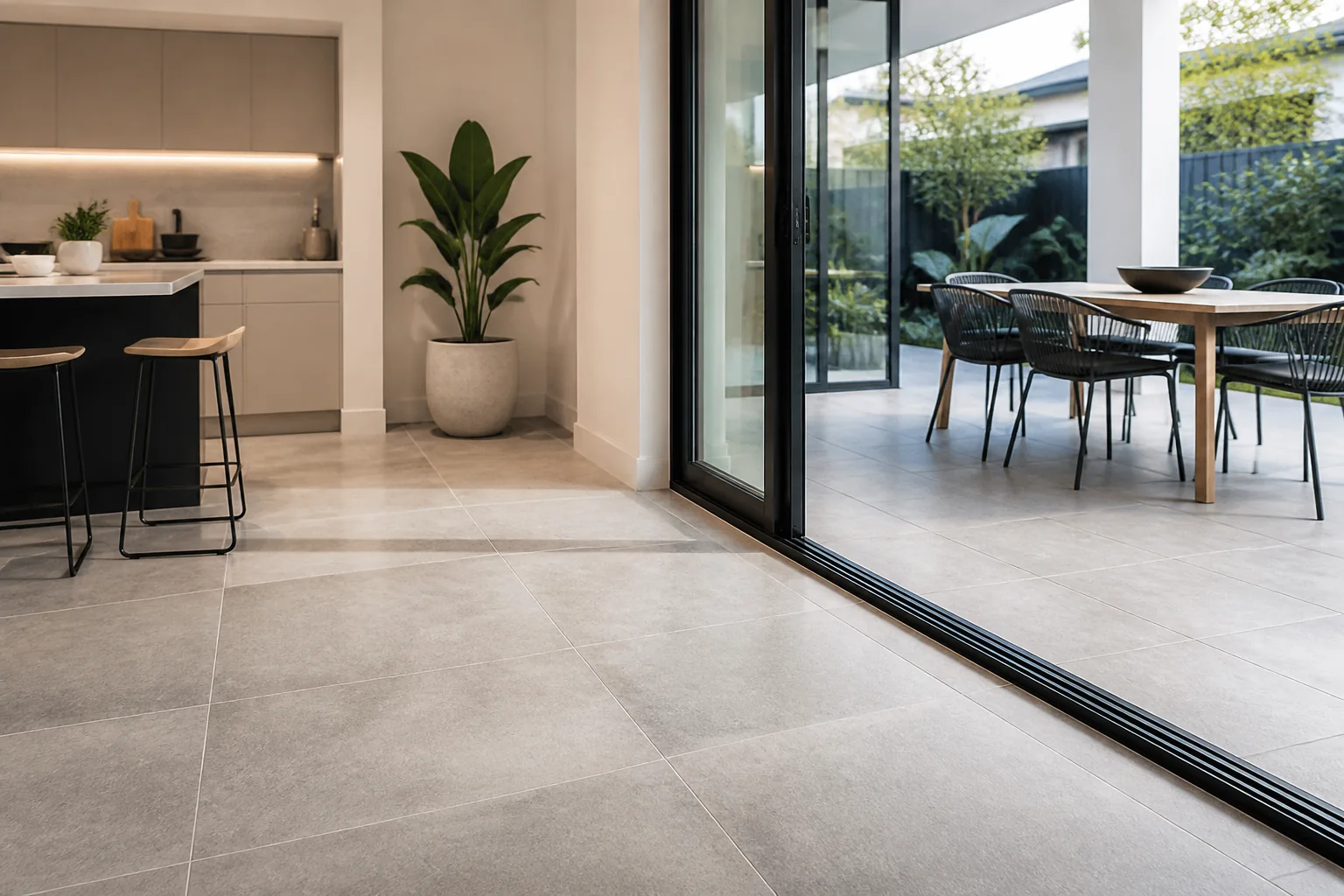
Evaluate Sosuco products Australia for Australian projects by checking intended use, product evidence, dimensions, installation, maintenance, delivery and sup.
2026-09-21