A home office library combines a work surface with books and reference storage. The layout works when books are easy to reach without filling the desk and when the chair has space to move. Start by measuring the wall, desk, shelves and chair as one arrangement, then divide storage into daily references, archives and display items.
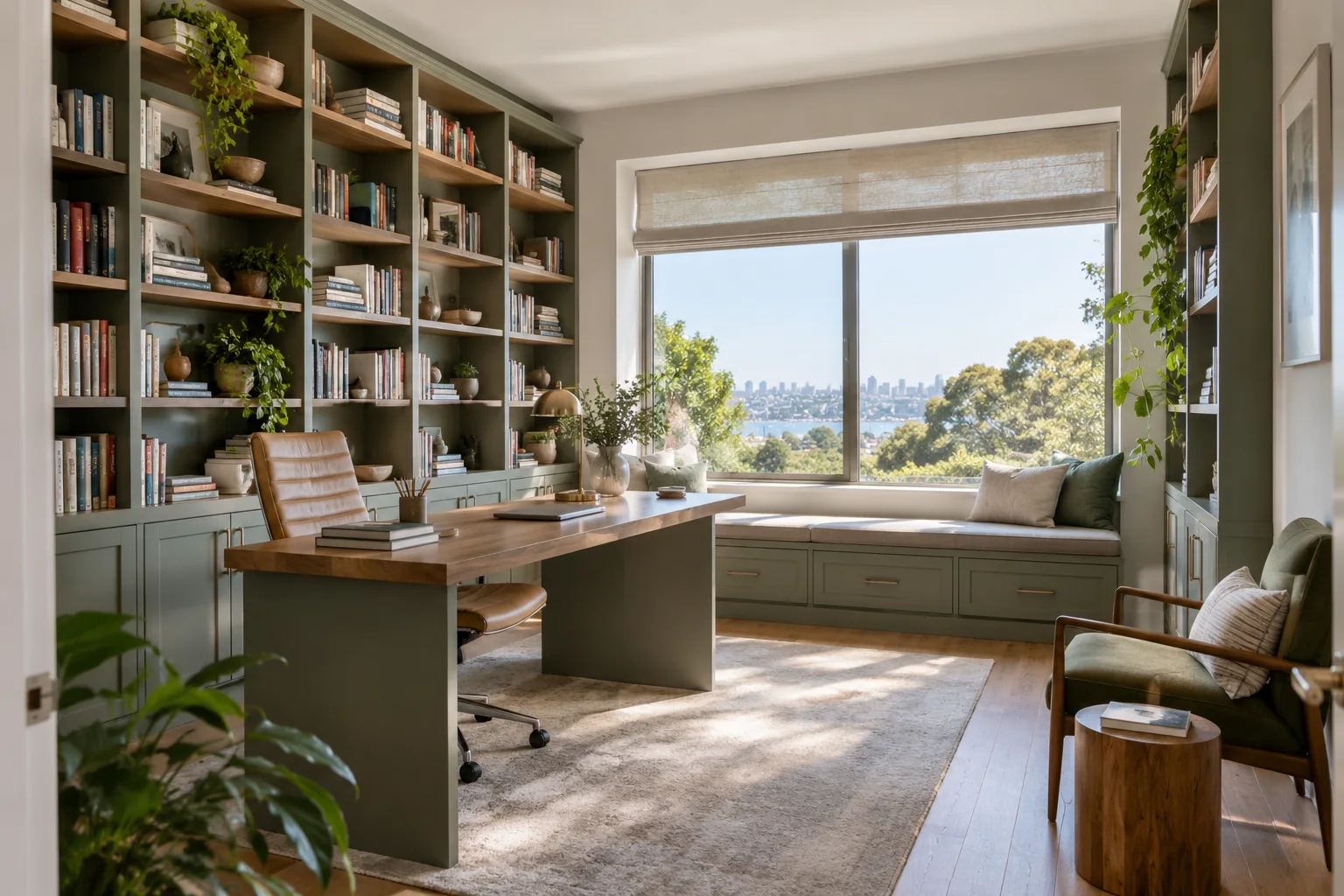
List the books and reference materials you use weekly, the items you consult occasionally and the collection you keep for display or archive. Store daily references closest to the desk. Place decorative objects outside the work surface so they do not compete with monitors, documents or writing space. If a second person also uses the room, leave enough room for both the reading and working routines.
A library desk can sit in the centre of a wall of shelving or beside a bookcase. Centre placement can feel cohesive but needs more chair clearance. A desk near one end of the shelving may preserve more wall space for books. Sketch both and include the full chair footprint, desk drawers and route to the door.
Measure the books, binders and equipment rather than using a standard shelf spacing by assumption. Check the shelf’s stated load capacity, material and support method, especially for heavy reference books. Wall-mounted shelving needs fixings suitable for the wall. Built-in joinery should account for skirting, cornices, power points, data cables and any wall irregularities.
| Storage area | Use | Planning detail |
|---|---|---|
| Desk-level shelf | Current projects and frequently used references | Keep the monitor view and writing area clear |
| Upper shelves | Occasional books and archive material | Confirm safe access and shelf load |
| Closed cupboard | Paperwork, supplies and devices | Allow for device heat and cable access |
| Display shelf | Objects that personalise the room | Keep heavier items securely supported |
Place task lighting so it does not reflect directly on the screen or cast a strong shadow over writing. Use separate ambient and task lighting when one ceiling light is not enough. Keep charging cables near the devices they serve and route them away from the chair path. If the office is used for video meetings, consider the background and room acoustics without covering shelves that need to remain accessible.
Safe Work Australia’s workstation setup guide says home workstations should suit the work, environment and individual. Use the guide to review the desk and seating, then consult relevant local regulator or employer advice for specific needs.
For material choices, review the site’s furniture materials and furnishing materials. Ask for drawings showing shelving depth, fixing points and finish samples before approving any built-in work.
Keep the desk clear and place frequently used books nearby, with archive materials farther away. Draw the desk, shelves and chair together to confirm access. Check shelf load and wall fixings, and coordinate cables and task lighting before the joinery is installed.
Open shelves make books visible and easy to reach, while closed cabinets hide clutter and protect less-used items. A combination can suit a mixed collection. Choose from the actual storage list and room cleaning needs rather than using open shelves everywhere.
Yes, if the shelves are securely fixed, support the intended load and do not interfere with the monitor or task lighting. Follow the shelf manufacturer’s installation instructions and use fixings suitable for the wall. Have uncertain wall construction assessed before installation.
A useful home office library brings work and reference material together without crowding either one. Size the shelves to the collection, keep current resources near the desk and confirm the support and cable plan. A measured drawing will help the space remain practical as the collection grows.
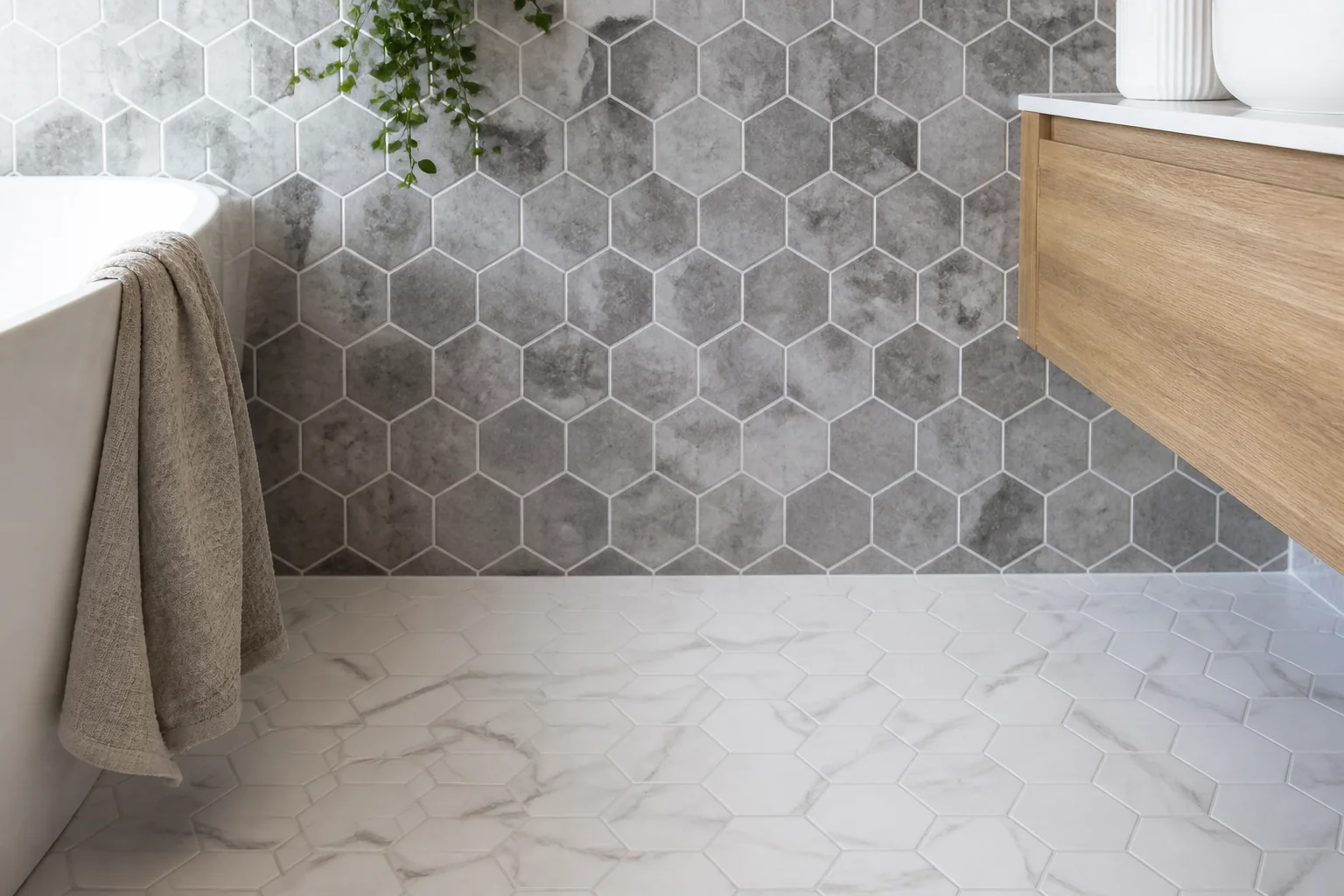
Plan hexagon tiles by comparing size, sheet backing, pattern, grout, edge cuts, slip, substrate, installation and cleaning requirements.
2026-09-01
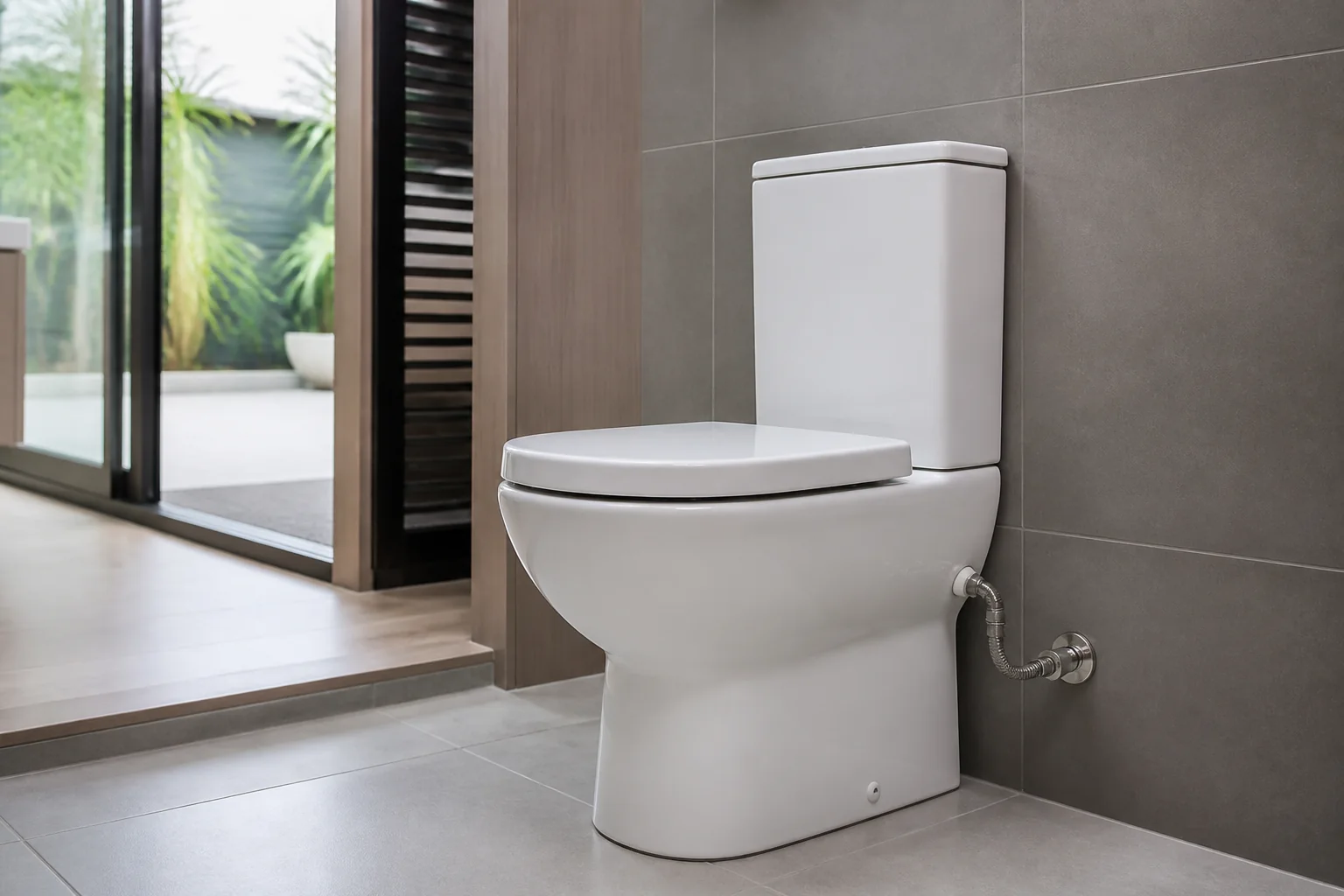
Choose a toilet by checking the pan type, set-out, WELS registration, flush performance, dimensions, access, cleaning and installation scope.
2026-09-05
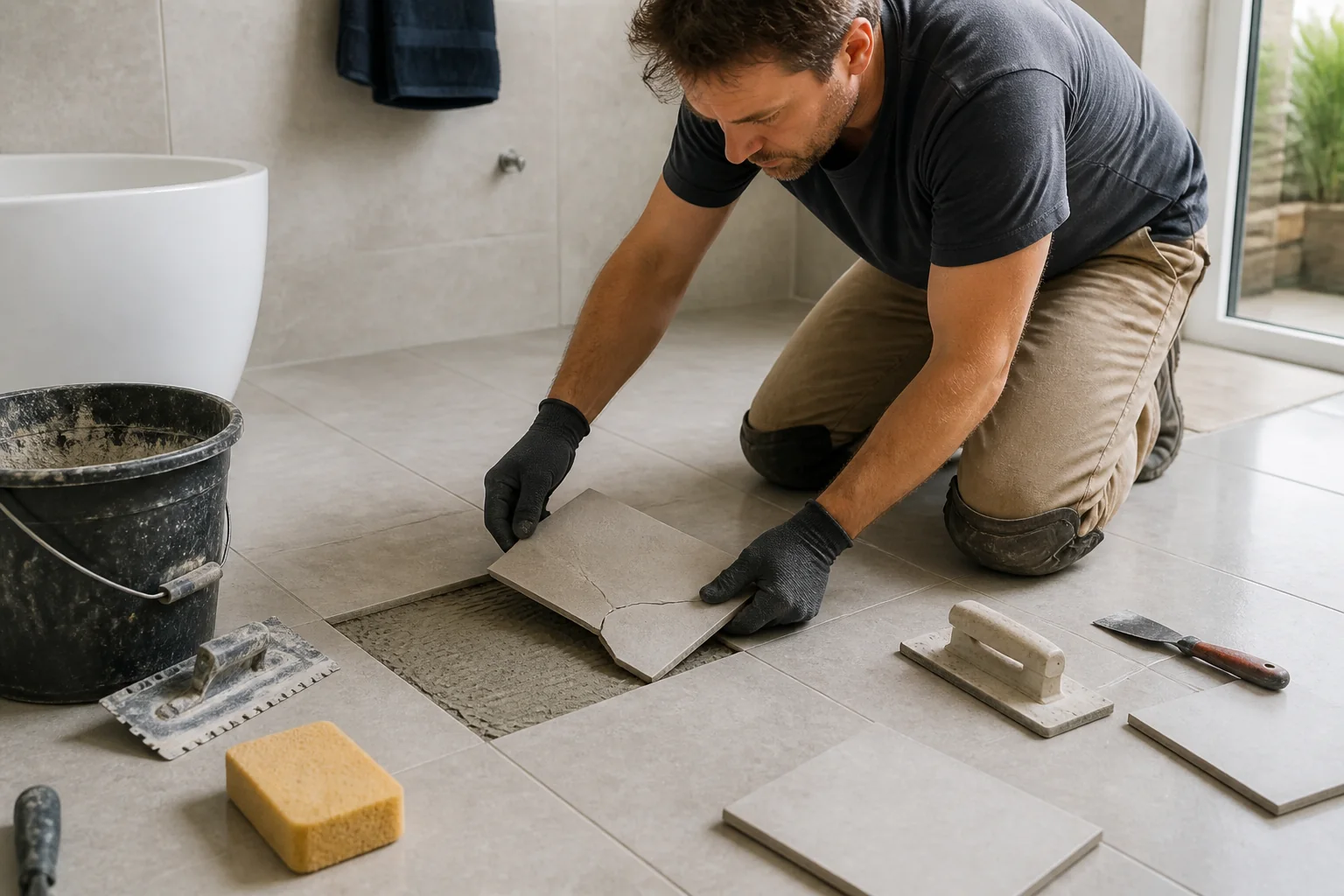
Diagnose tile repairs by separating cracks, loose tiles, leaks, stains, grout and sealant problems, then fix the cause before replacing finishes.
2026-09-09
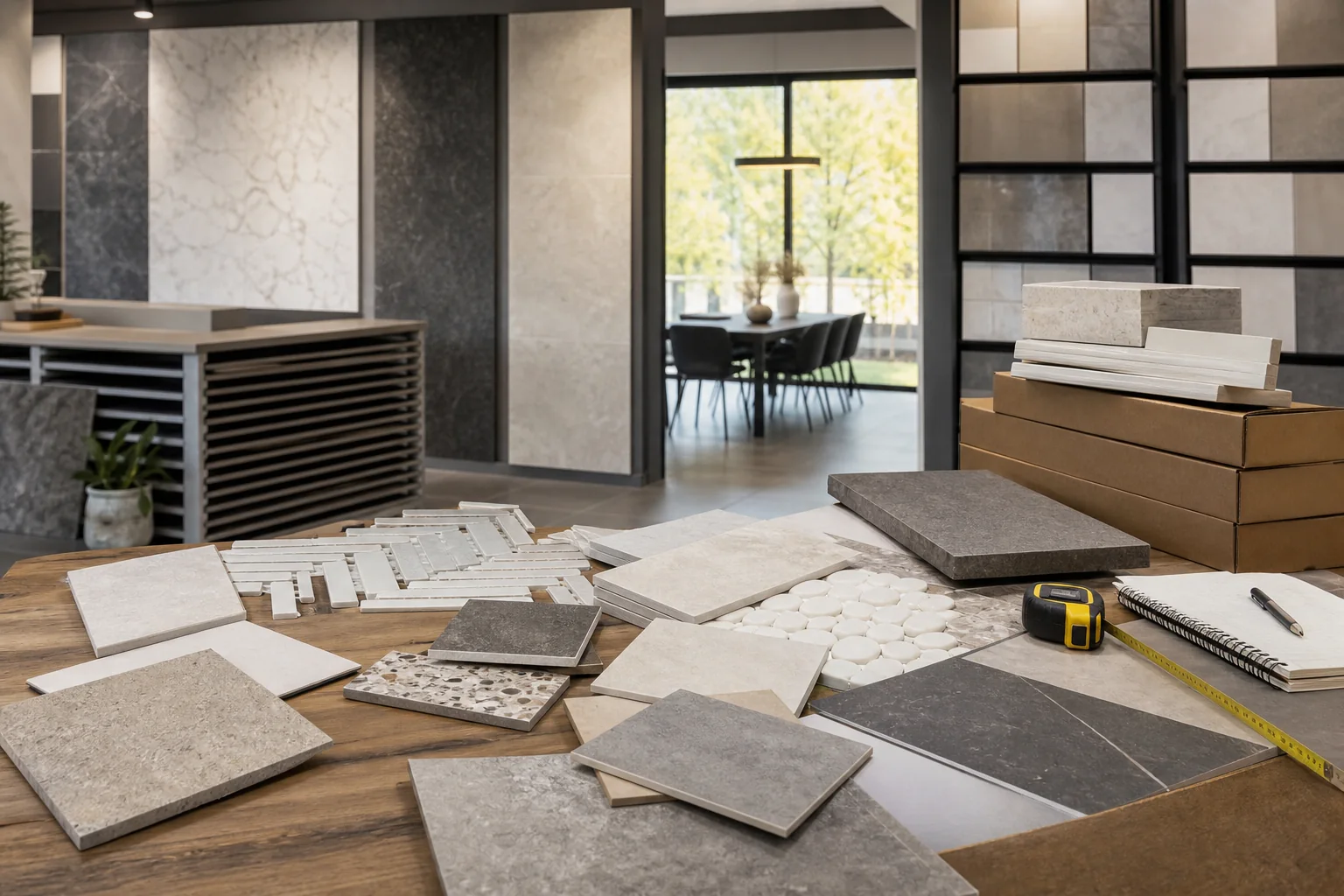
Evaluate Duragres products Australia for Australian projects by checking intended use, product evidence, dimensions, installation, maintenance, delivery and s.
2026-09-13
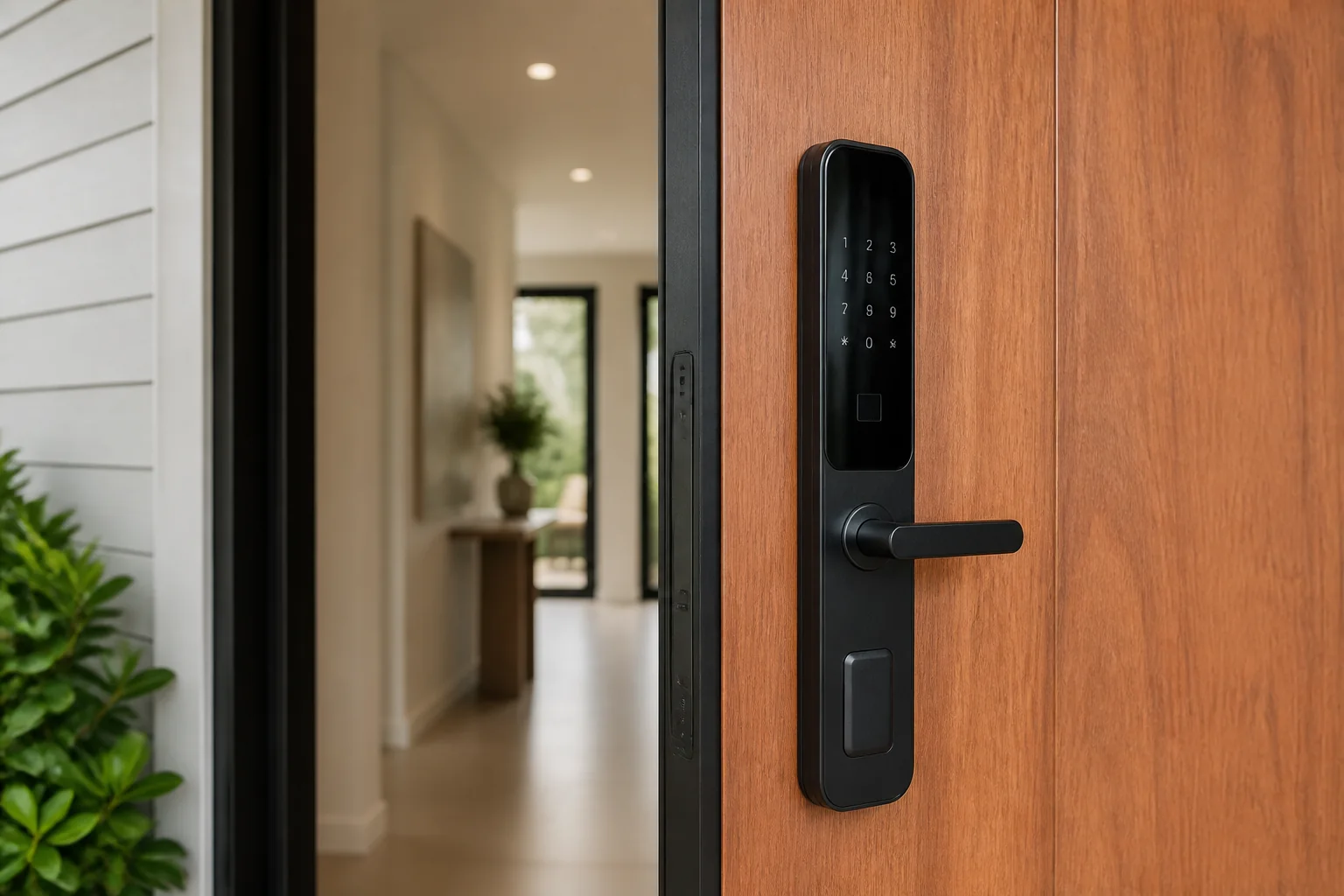
Evaluate Samsung products Australia for Australian projects by checking intended use, product evidence, dimensions, installation, maintenance, delivery and su.
2026-09-17
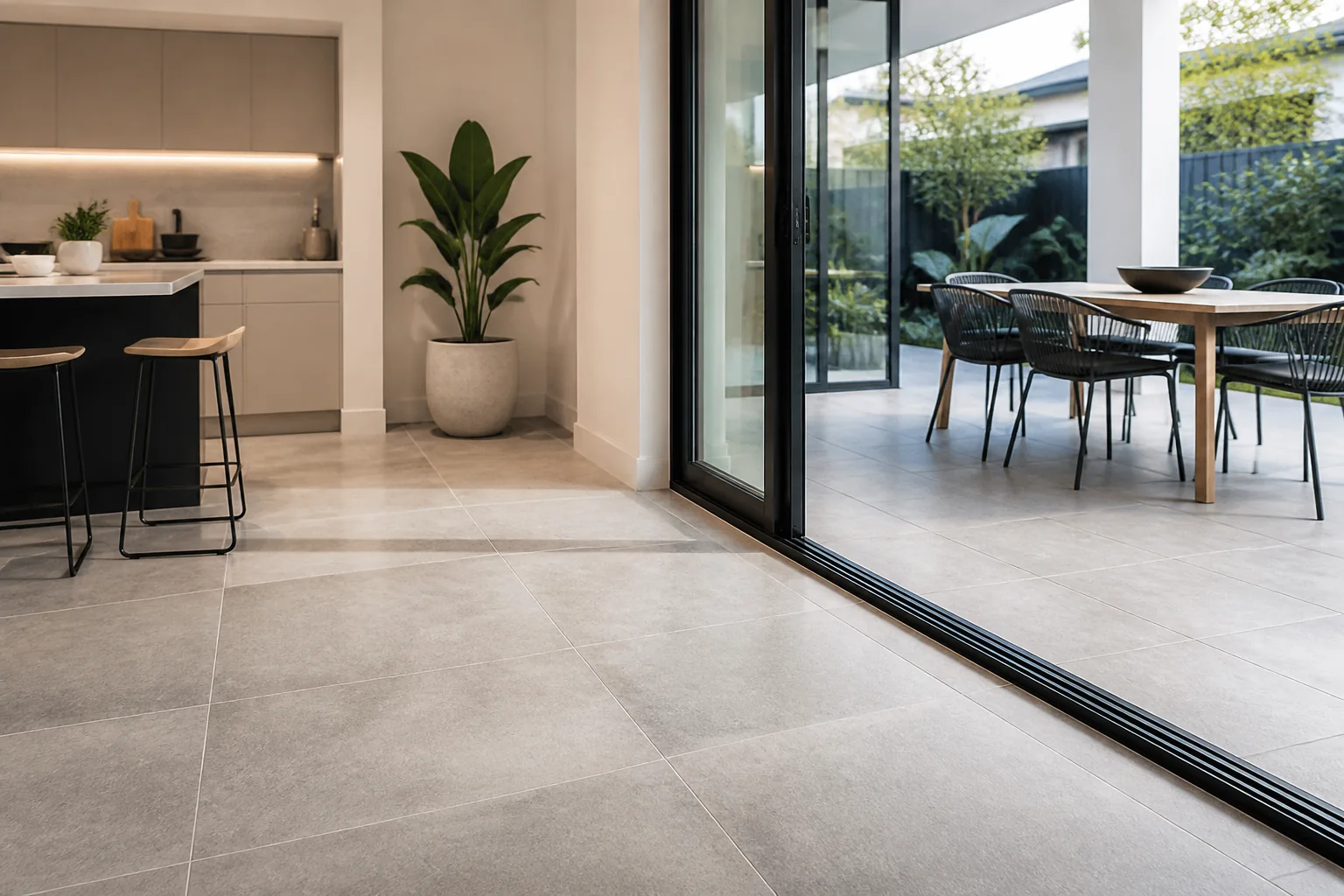
Evaluate Sosuco products Australia for Australian projects by checking intended use, product evidence, dimensions, installation, maintenance, delivery and sup.
2026-09-21