Direct answer: This article targets the Glass door search intent. The decision depends on the complete system, glass, frame, seals, size, installation conditions, maintenance route and Australian evidence for the exact project.
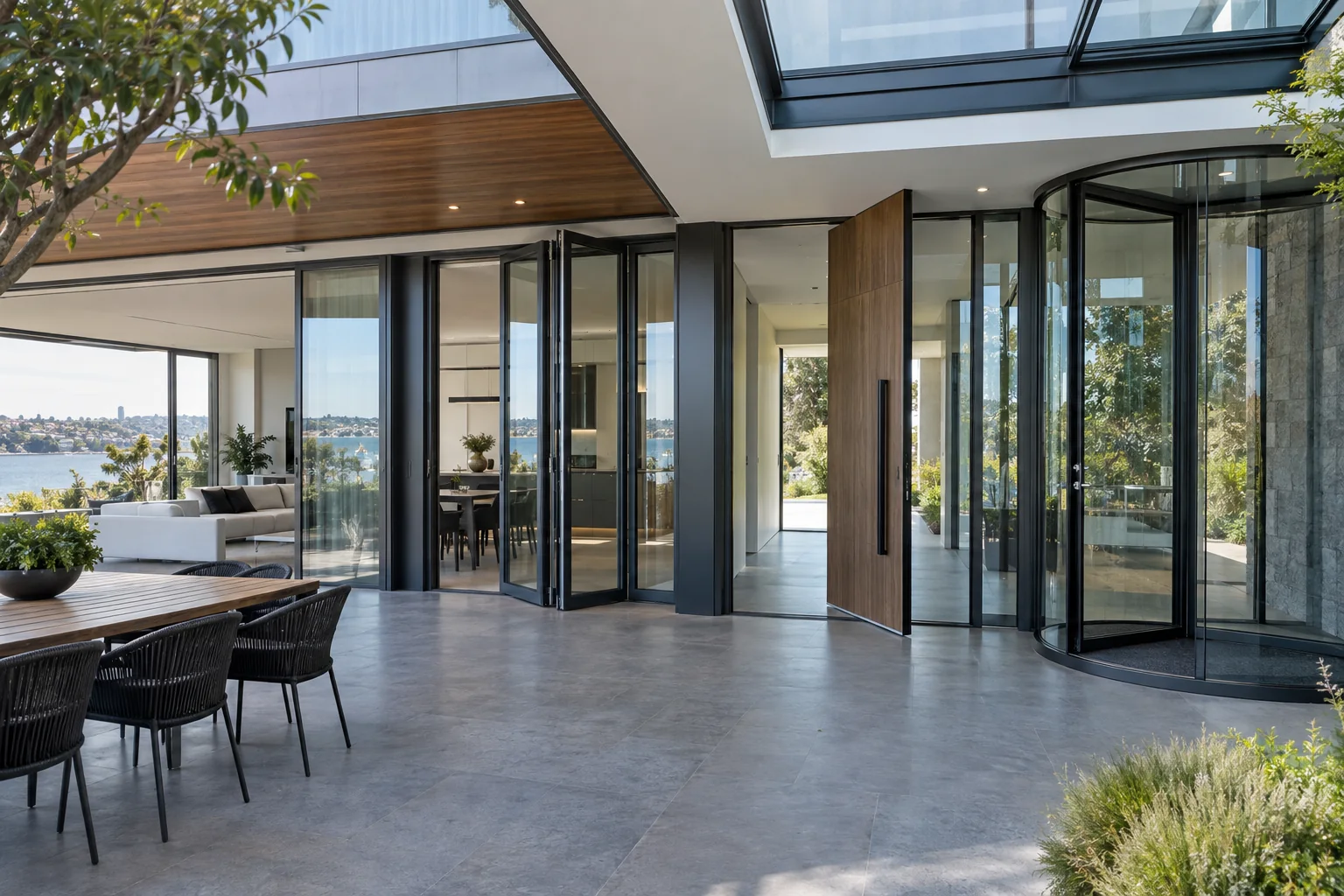
This is a movement, access and installation search. The decision depends on how people move through the opening, how often the door operates, where panels park, how the sill drains, whether power is available and how the system behaves during a fault or emergency. Nominal opening width is not the same as usable clear opening.
| System | Best fit | Space or service issue | Evidence to request |
|---|---|---|---|
| Two or three track sliding | Patios, balconies and controlled indoor-outdoor openings | Stacking depth, track cleaning and clear opening | Panel weight, track, drainage and operating force |
| Lift-and-slide | Large panels where easier movement is needed | Hardware capacity and sill tolerances | Maximum panel limits and adjustment procedure |
| Folding or folding-sliding | Wide openings with a defined parking side | Hinge clearances and stack zone | Parking layout, hinges, head and sill detail |
| Automatic sliding | High-frequency access or controlled entry | Power, sensors, emergency release and servicing | Safety sensors, controls and commissioning scope |
| Revolving or floor spring | Specific entry and traffic patterns | Full operating envelope and floor coordination | Traffic, accessibility, closing and service requirements |
Forge’s public installation information describes positioning, assembly, connection, commissioning, testing and after-sales support for project installation services. For an Australian door project, confirm whether the quotation includes product supply only, installation guidance, local installation, electrical connection, commissioning or ongoing maintenance. These are different scopes and should not be merged into one vague “installed” line.
| Parameter | Record | Why it matters |
|---|---|---|
| Structure and size | track count, panel weight, clear opening, parking zone, sill, sensor field, power and emergency release | Limits weight, movement, drainage, transport and installation access. |
| Glass and seals | Glass build-up, safety treatment, spacer, gaskets, weather seals and perimeter sealant. | Controls comfort, safety, air leakage, water and noise. |
| Site | Location, orientation, climate, wind, rain, coastal exposure, floor level, structure and waterproofing. | The same nominal product can require different project details. |
| Documents | Drawings, test scope, installation assumptions, warranty, exclusions and maintenance instructions. | Prevents marketing language being mistaken for approval evidence. |
Confirm structure and finished levels; set the frame and track; install panels and hardware; adjust movement; commission controls; test sensors, emergency release and drainage.
Keep tracks clear and inspect rollers, hinges, closers and sensors. Common faults are stiff movement, panel misalignment, slow closing, false sensor trips and water at the sill.
Forge publishes enquiry, drawing or measurement review, design, confirmation, production, shipping and installation guidance, plus a 5-year global warranty statement. Confirm the exact product, warranty scope, exclusions, delivery and local installation responsibility in writing. Forge information does not replace Australian building approval.
References: NCC, YourHome, Energy.gov.au, TOSTEM, LIXIL catalogue and TISI. These are reference examples only, not proof of Australian compliance or Forge equivalence.
Yes. Sensors, rollers, locks, controls, seals and emergency functions need inspection. The plan should identify testing intervals and who can service the system.
It can reduce rolling effort when correctly specified, but panel weight, hardware capacity, alignment, track condition and installation tolerances still control operation.
The track arrangement changes stacking, frame depth, clear opening, cleaning access and panel interaction. Compare the actual plan, not only the product name.
This guide is for planning and comparison. It is not an engineering certificate, product test report, building approval or warranty document. Verify the exact Forge configuration and current Australian requirements before ordering.
Send the location, drawings or measurements, quantities, finish, performance priority and target schedule through the Forge contact page.
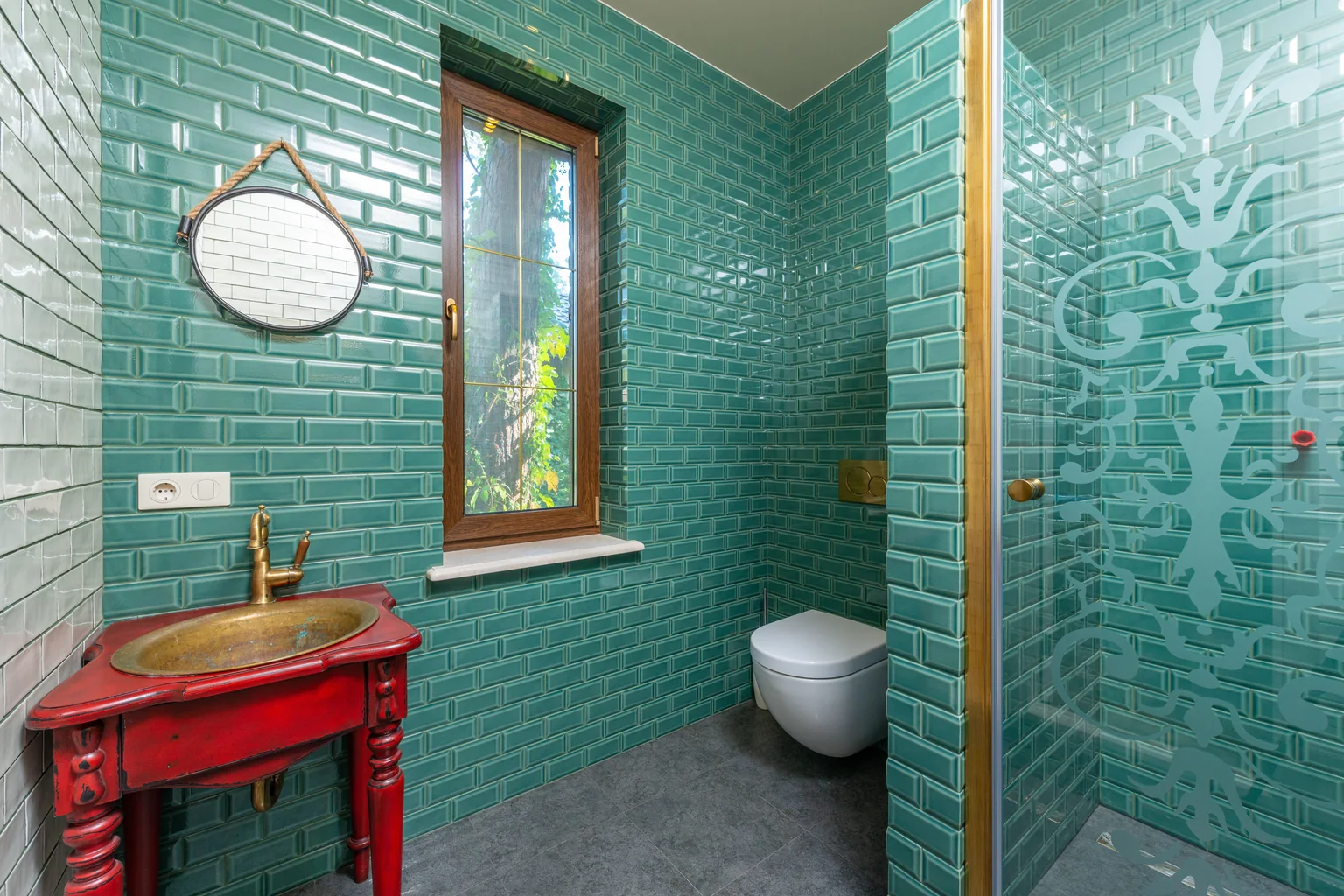
Choose bathroom wall tiles by comparing wet-area zones, materials, tile size, grout, waterproofing coordination, installation details and maintenance.
2026-08-27
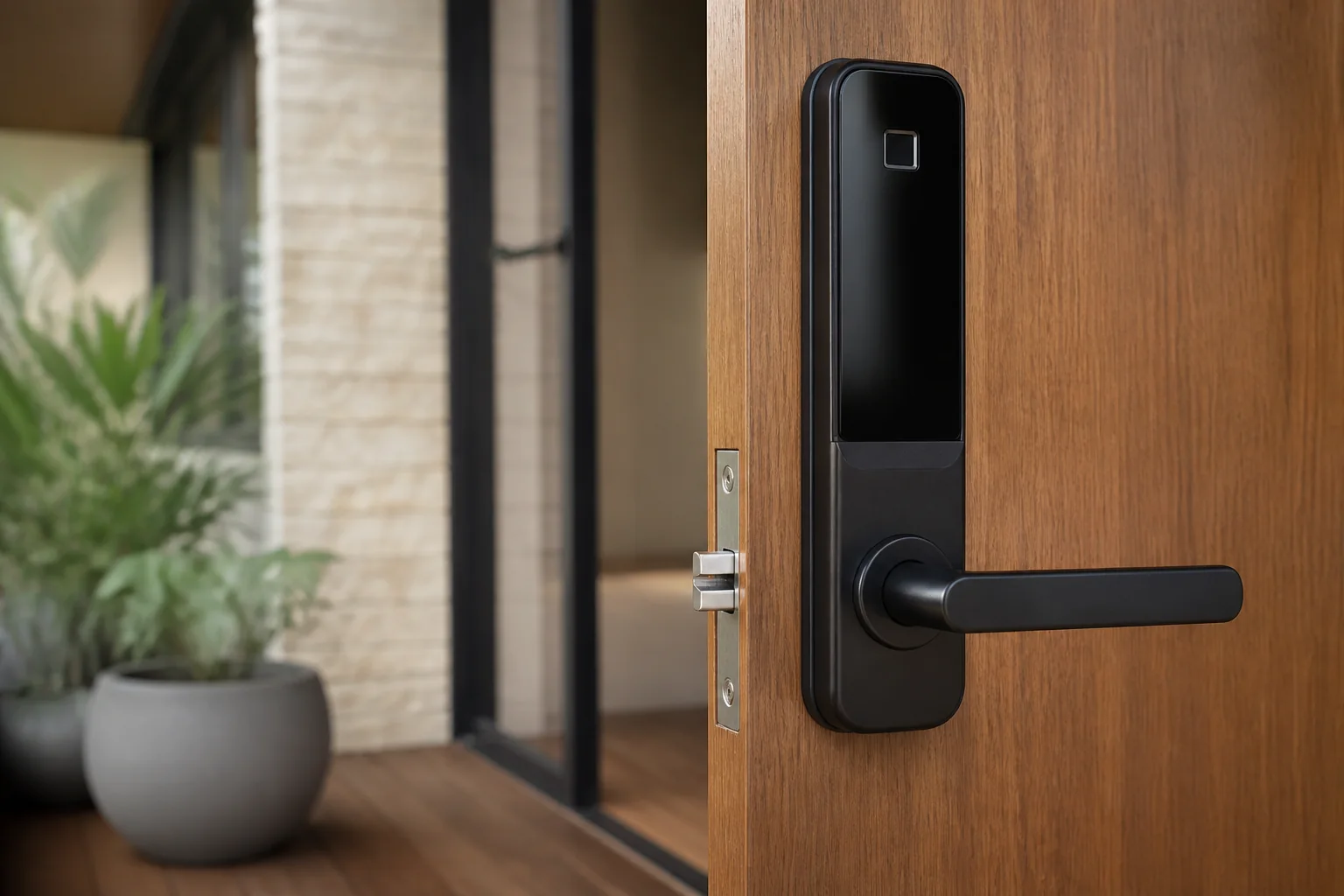
Choose a digital door lock by checking door construction, mortice, dimensions, access methods, batteries, emergency entry, app security and installation.
2026-09-02
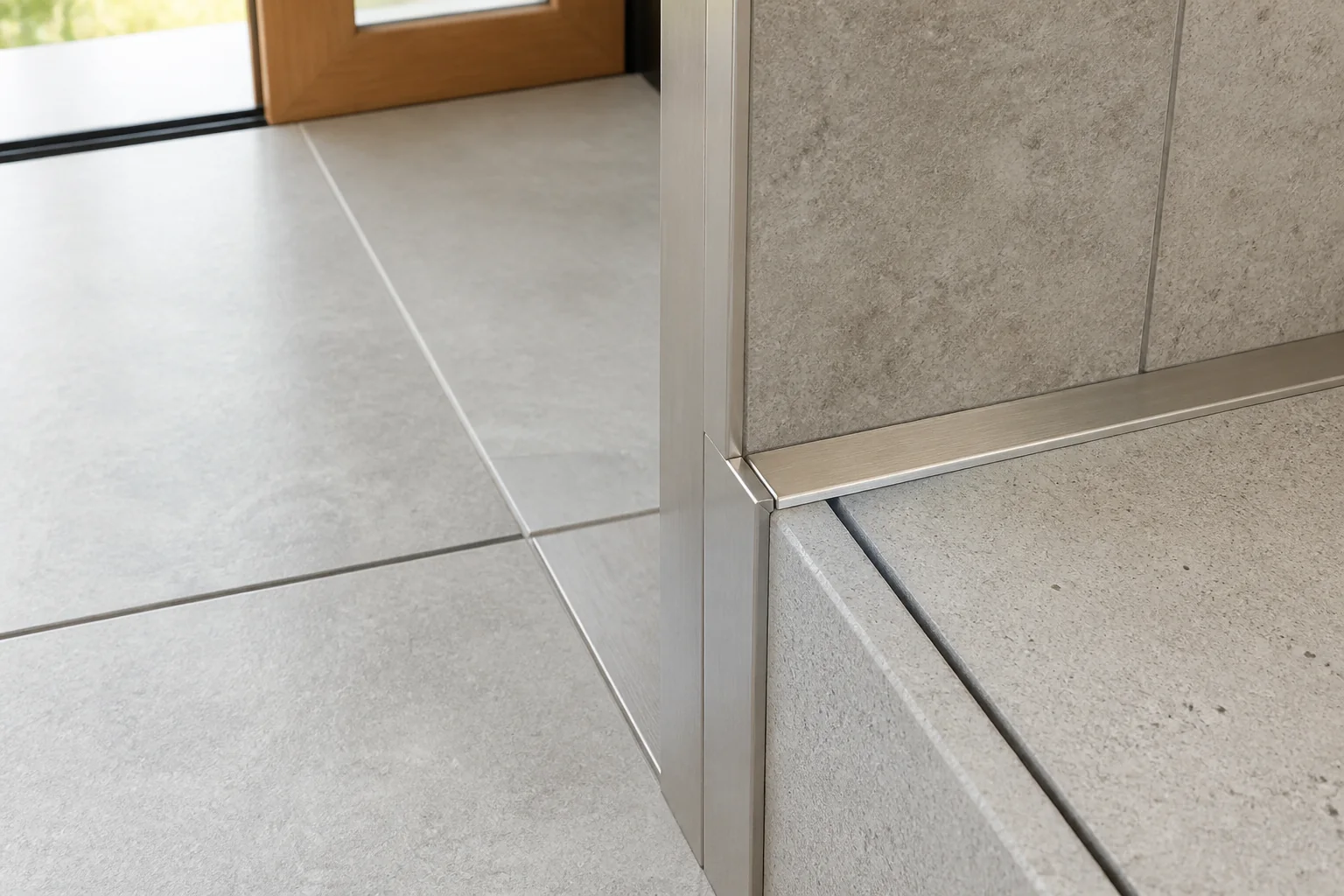
Choose tile grout and trim with the joint width, movement, corners, transitions, cleaning method and replacement plan already documented.
2026-09-06
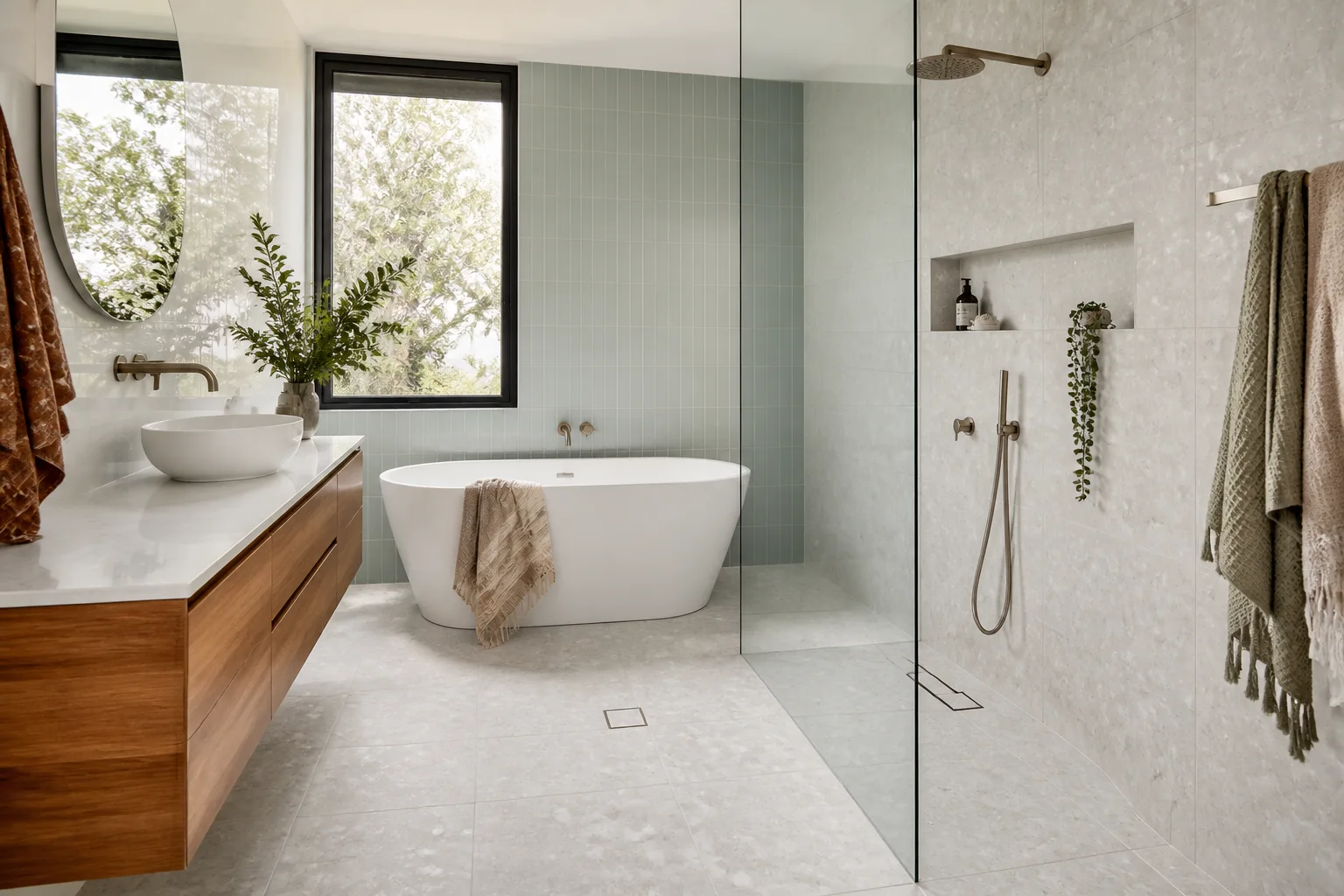
Evaluate bathroom tiles patterns, colours and design guide for Australian projects by checking intended use, product evidence, dimensions, installation, maint.
2026-09-10
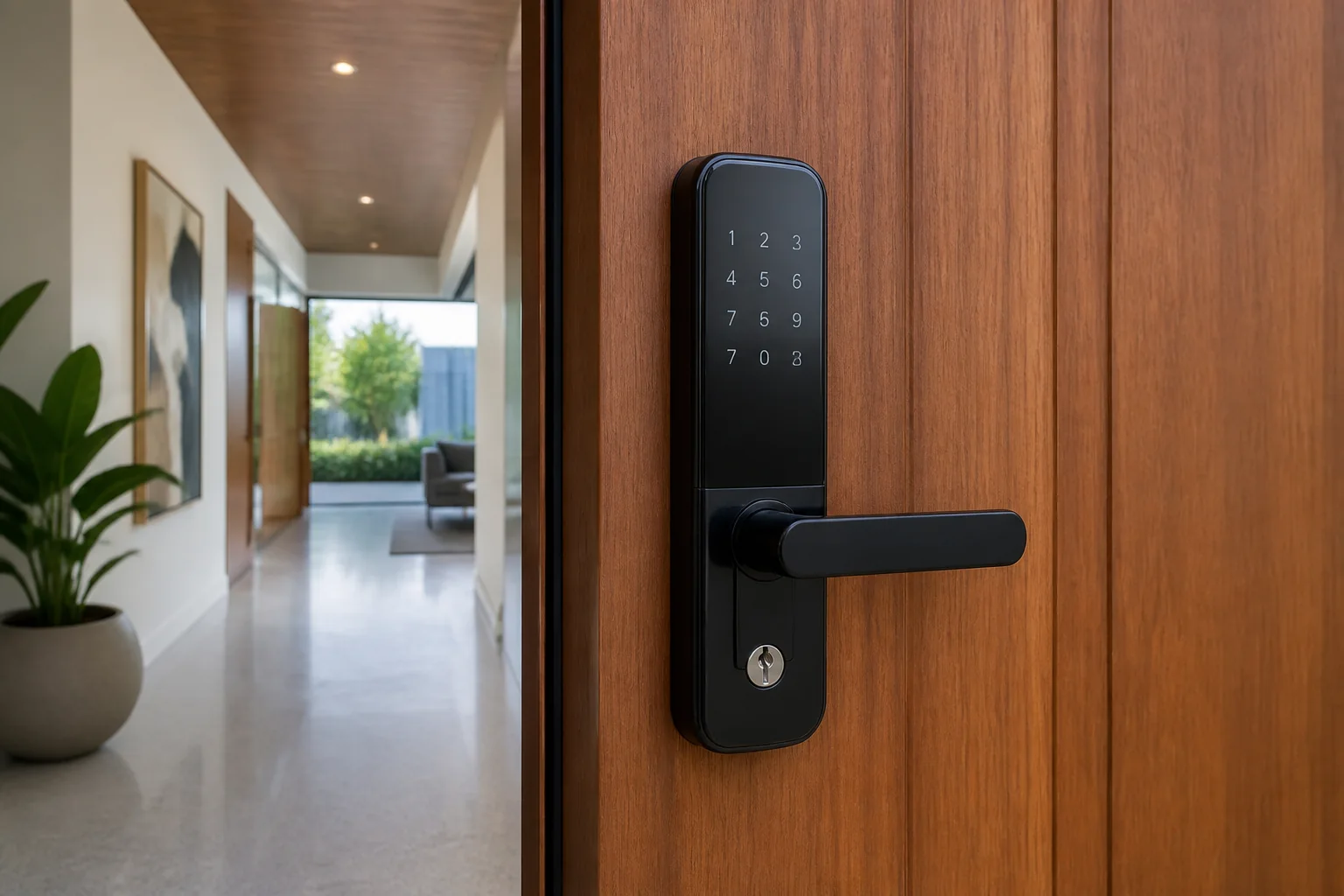
Evaluate digital door locks and access hardware prices and buying guide for Australian projects by checking intended use, product evidence, dimensions, instal.
2026-09-14
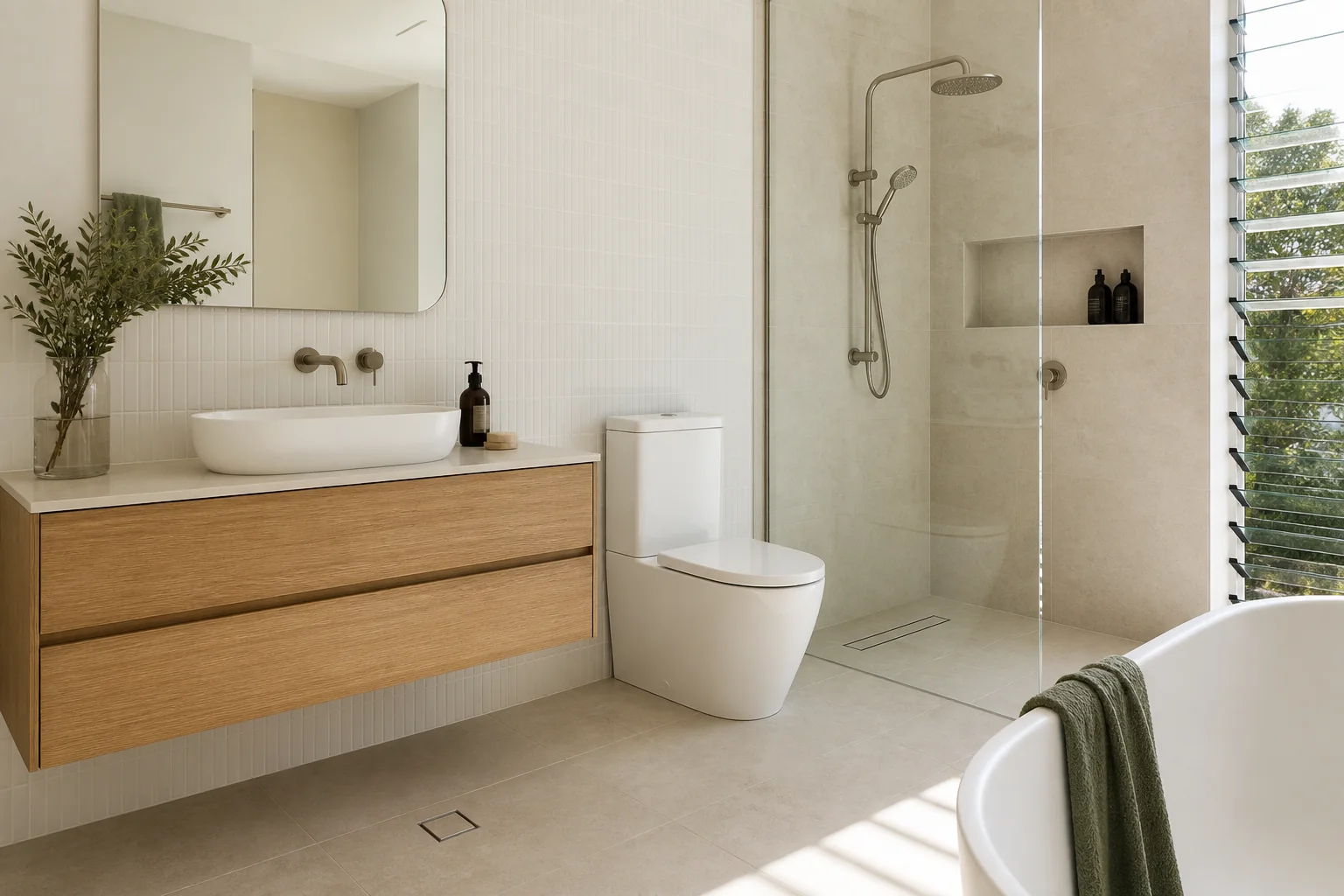
Evaluate bathroom fixtures, toilets and sanitaryware australian selection guide for Australian projects by checking intended use, product evidence, dimensions.
2026-09-18