Swimming pool floor tiles should be selected as part of a complete immersed tiling system, not as a colour sample in isolation. For an Australian residential pool, compare the tile’s documented suitability for permanent immersion, the substrate and waterproofing design, adhesive and grout compatibility, wet-area grip at steps and shallow zones, cleaning requirements and the effect of the chosen colour under water.
A tile on the pool floor remains submerged for long periods. A tile on the coping or surrounding deck is exposed to wet feet, sun, dirt and rapid wet-dry cycles. The two locations can share a visual palette, but they do not automatically share the same specification.
Ask the supplier to identify the intended location for each product: submerged floor and walls, waterline, steps and ledges, coping, or external pool surround. Obtain current written information for the exact product, not a general statement about a tile family.
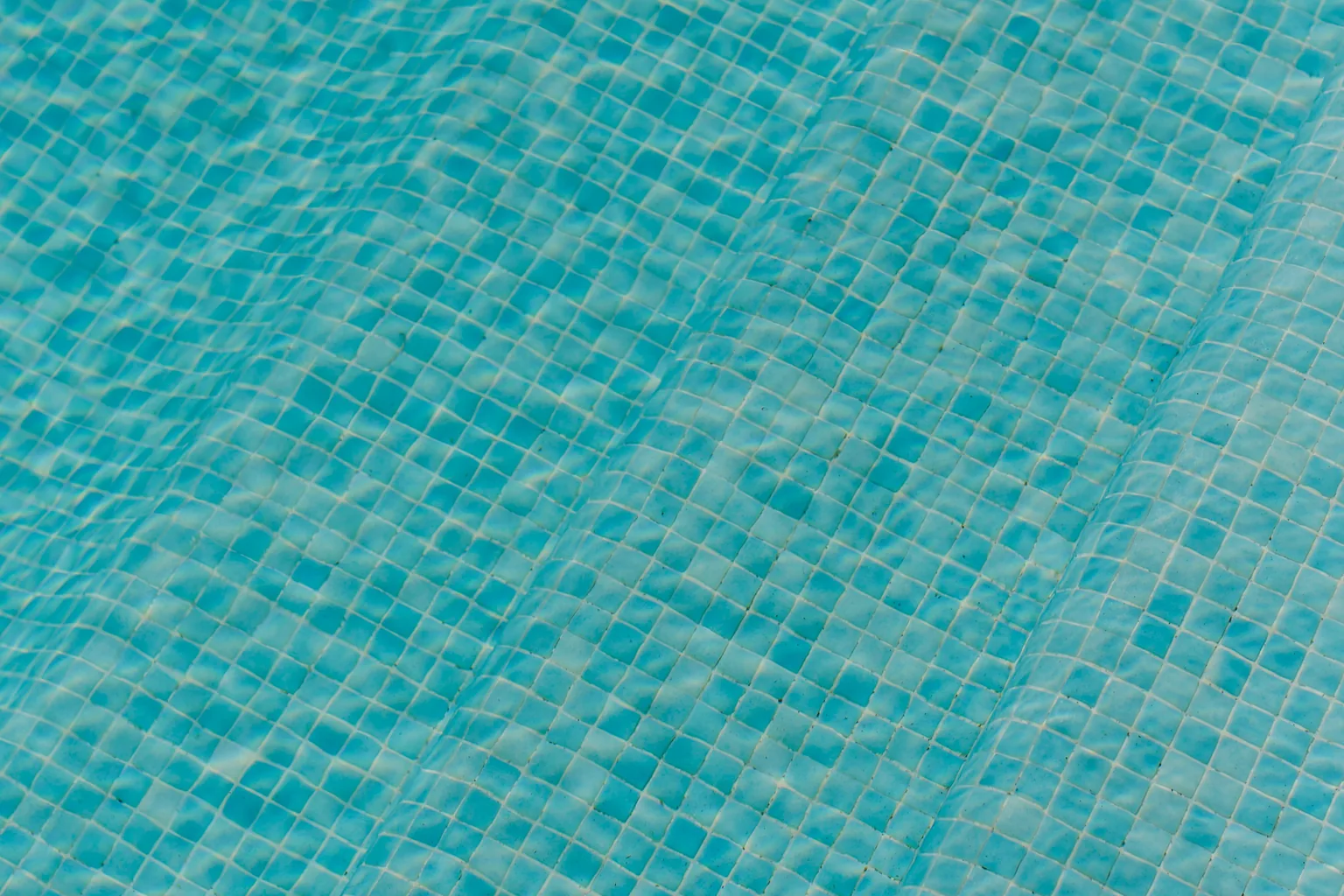
| Material | Typical design strengths | Items to verify |
|---|---|---|
| Porcelain | Broad range of colours, formats and textures | Immersion suitability, edge finish, installation system and wet-area information |
| Ceramic | Decorative choice and familiar tiled appearance | Whether the exact tile is approved for the intended submerged location |
| Glass mosaic | Reflective colour, curved-surface flexibility and detailed patterns | Backing, adhesive coverage, grout, installer experience and cleaning method |
| Natural stone | Individual variation and connection with landscape materials | Water absorption, staining, sealing, chemical compatibility and maintenance expectations |
The material name alone does not establish suitability. Size, finish, backing, installation method and pool conditions all matter. Request a coordinated recommendation covering the tile, adhesive, grout, movement joints and substrate preparation.
Submerged pool floors are not used in the same way as the surrounding deck, but entries, steps, benches and shallow ledges may be walked on. Smooth, polished or contaminated surfaces can be harder to grip. Safe Work Australia identifies wet or polished floors, uneven edges and poor drainage as common slip and trip hazards and recommends considering slip-resistant floor coverings, drainage, lighting and cleaning practices. Its workplace guidance does not replace a residential pool specification, but the hazard principles are useful when reviewing walkable pool zones.
Read the current Safe Work Australia slips, trips and falls guidance, then obtain project-specific advice and relevant test information for the actual tile finish. High texture can improve grip in some conditions but may also change cleaning effort, so balance safety and maintenance using documented evidence.
Water, sunlight, depth and pool lighting can make a tile look different from a dry showroom sample. Pale blue and aqua finishes often produce a brighter water appearance, while charcoal, navy and green can create a deeper visual effect. The final result also depends on pool depth, surroundings, sky reflection and artificial lighting.
Small mosaics can follow curves and create frequent joints; larger formats reduce the number of joints but demand careful planning and installation. Grout colour can either soften the grid or make it more visible. Test several tiles with the proposed grout under water and in both sunlight and shade before approving the palette.
A high-quality tile cannot compensate for an unready substrate. Before work starts, the responsible contractor should assess the shell, falls, cracks, penetrations, movement locations, waterproofing and curing requirements. Coordinate tile setting-out with drains, fittings, steps, waterline details and visible centre lines.
For a broader home project, Forge’s design service and measurement information can help structure the brief. The pool tiling system itself still needs confirmation from the relevant pool, waterproofing and tile professionals. Review Forge’s installation information when coordinating trades and site access across the overall project.
Tile selection sits within the wider pool design. The Australian Government’s YourHome outdoor water-use guide recommends using a pool cover to reduce evaporative loss. Its appliances and technology guide also discusses efficient pool pumps, filtration and heating choices. These measures do not determine the tile, but they help frame the pool as a complete operating system rather than a decorative surface alone.
Maintenance should follow the tile, grout and pool-equipment suppliers’ current instructions. Use compatible tools and cleaners, monitor joints and sealants, and investigate isolated movement, staining or hollow areas rather than treating repeated symptoms only. Keep product records, batch details and spare tiles in a dry labelled location.
When reviewing project responsibilities, consult Forge’s general warranty information and obtain the separate warranties applying to the pool shell, waterproofing, tiling system and installation.
Do not assume so. Confirm that the exact tile and complete installation system are documented for permanent immersion and the intended pool zone.
Mosaics can follow curves and provide design flexibility, but backing, adhesive coverage, grout and installation quality must be coordinated. They are one option, not an automatic answer.
The perceived water colour depends on the tile, grout, depth, sunlight, surroundings and lighting. Test a wet sample in realistic conditions before deciding.
They can coordinate visually, but their performance requirements differ. Select each product for its location rather than using one specification everywhere without verification.
The allowance depends on format, cuts, layout and future availability. Agree it with the supplier and installer and retain matching batch information.
The best swimming pool floor tiles combine a verified immersed system, safe transitions, a realistic maintenance plan and a colour tested under water. To coordinate the pool finish with a wider Australian home project, send drawings, pool dimensions, finish references and the proposed construction programme through the Forge contact page.
Evidence boundary: This is a general selection guide, not a waterproofing design, pool engineering specification, safety certification or product approval. Confirm current project requirements with the responsible professionals and suppliers.
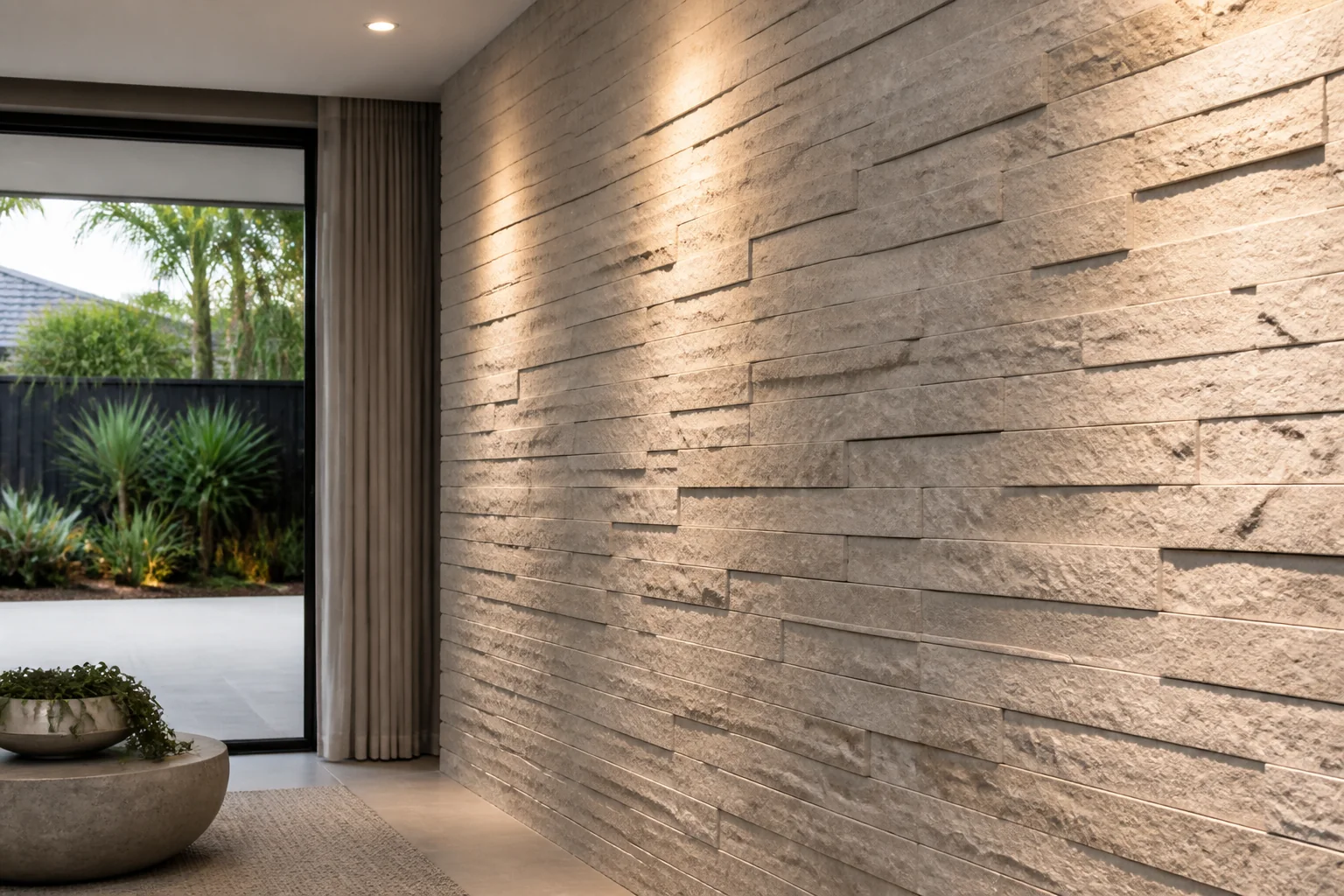
Compare stone-look wall tiles by material, relief, weight, joints, corners, substrate, lighting, cleaning and installation requirements.
2026-08-31
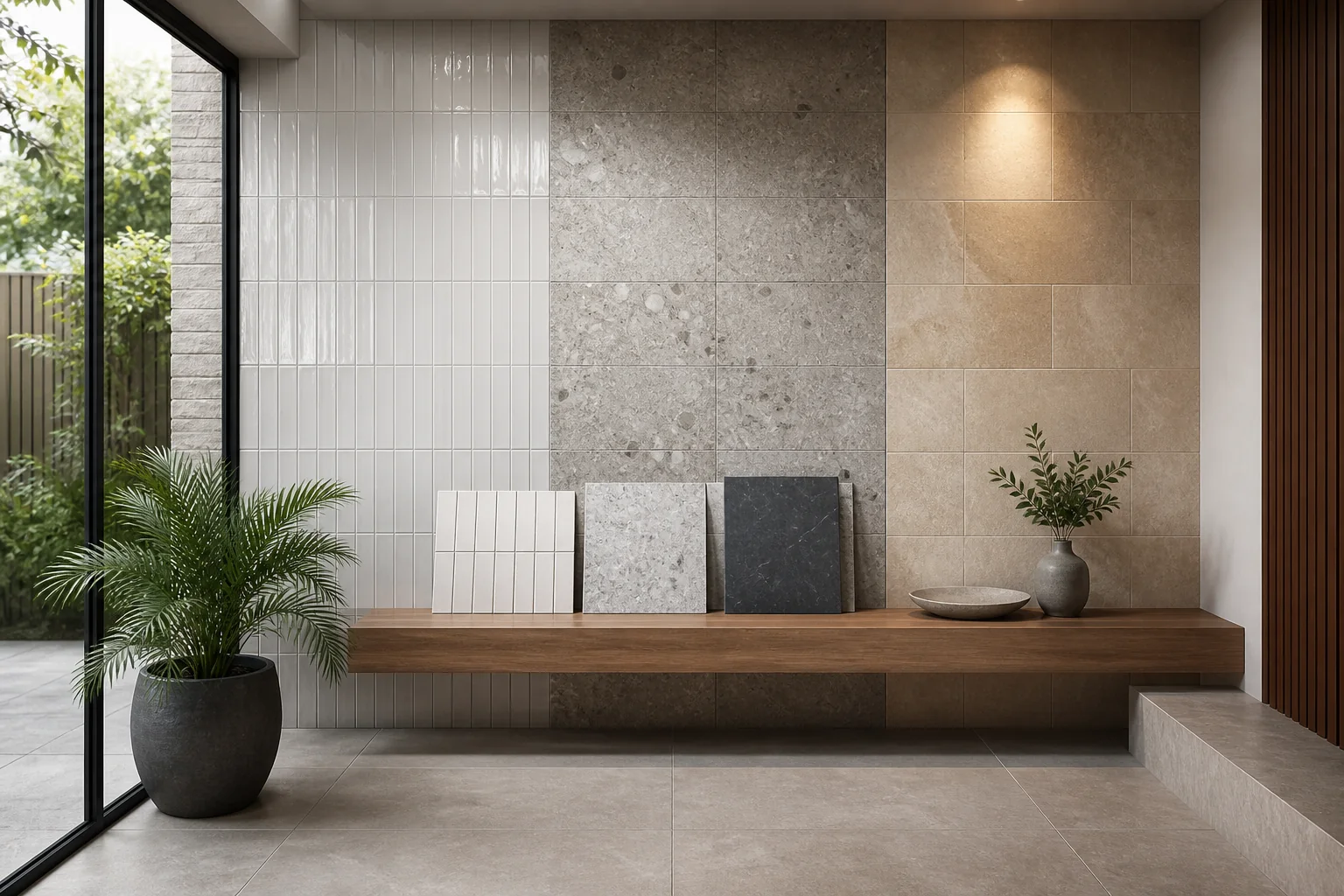
Choose wall tiles by comparing room exposure, material, weight, format, substrate, layout, grout, edges, cleaning and installation requirements.
2026-09-04
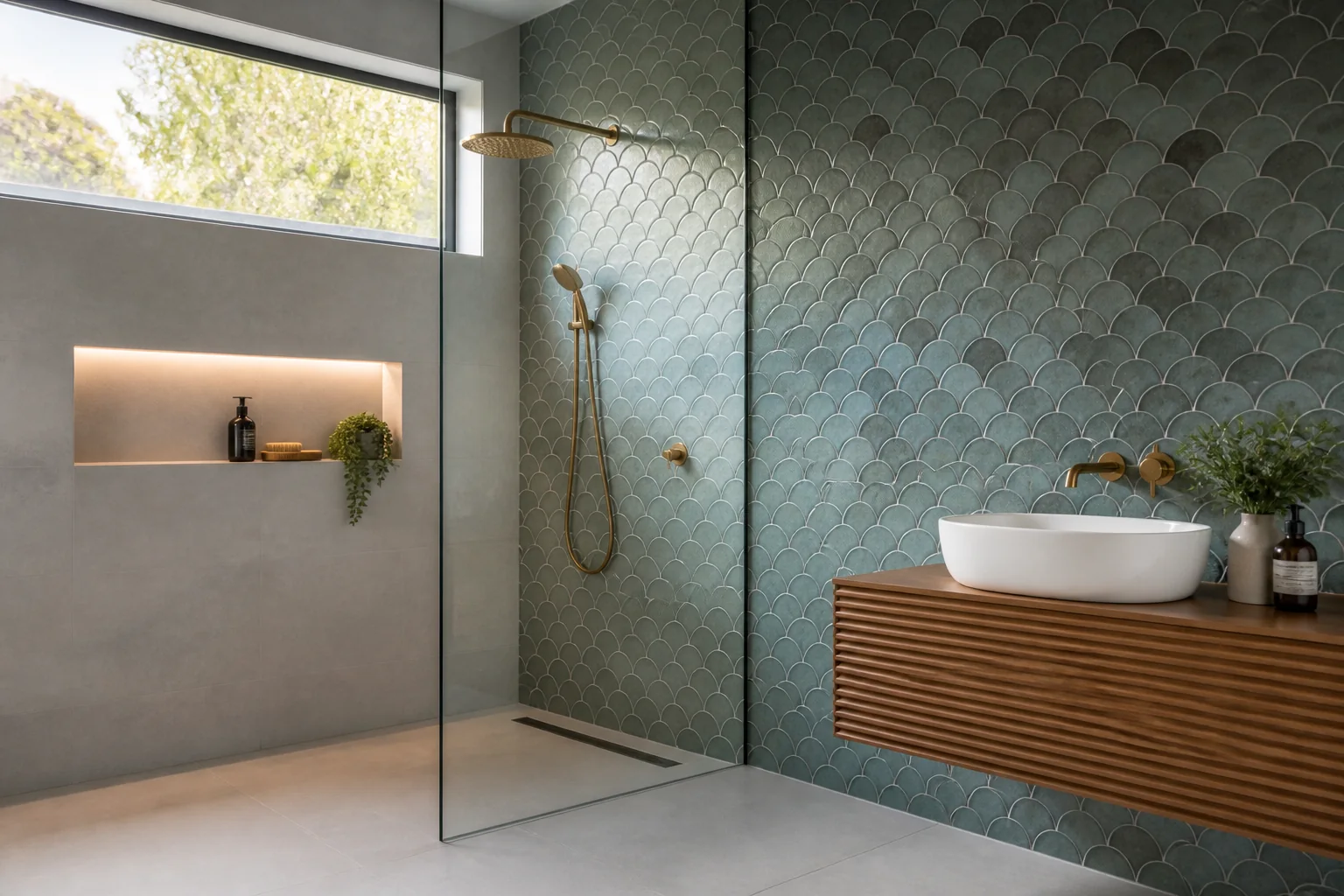
Plan decorative bathroom tiles around one focal wall, waterproofing, grout, edges, cleaning and the finished fixture layout before ordering.
2026-09-08
Evaluate SCG products Australia for Australian projects by checking intended use, product evidence, dimensions, installation, maintenance, delivery and suppli.
2026-09-12
Evaluate IKEA products Australia for Australian projects by checking intended use, product evidence, dimensions, installation, maintenance, delivery and suppl.
2026-09-16
Evaluate Starmark products Australia for Australian projects by checking intended use, product evidence, dimensions, installation, maintenance, delivery and s.
2026-09-20