Stone-look wall tiles can deliver the colour and depth of masonry with a more controlled module, but the result depends on material, relief, joint design, wall capacity, corner details and lighting. Decide whether the project needs printed porcelain, ceramic, cast concrete, manufactured stone or natural stone before comparing appearance and cost.
| Material | Appearance | Verify |
|---|---|---|
| Printed porcelain | Stone image with controlled tile thickness | Graphic variation, edge, relief, location and cutting |
| Ceramic wall tile | Decorative colour and manageable wall formats | Wall-only limits, wet-area suitability and trim |
| Manufactured stone | Deeper relief and masonry-like pieces | Weight, backing, support, corners and exterior documentation |
| Natural stone | Individual mineral variation | Stone type, sealing, staining, movement and thickness |
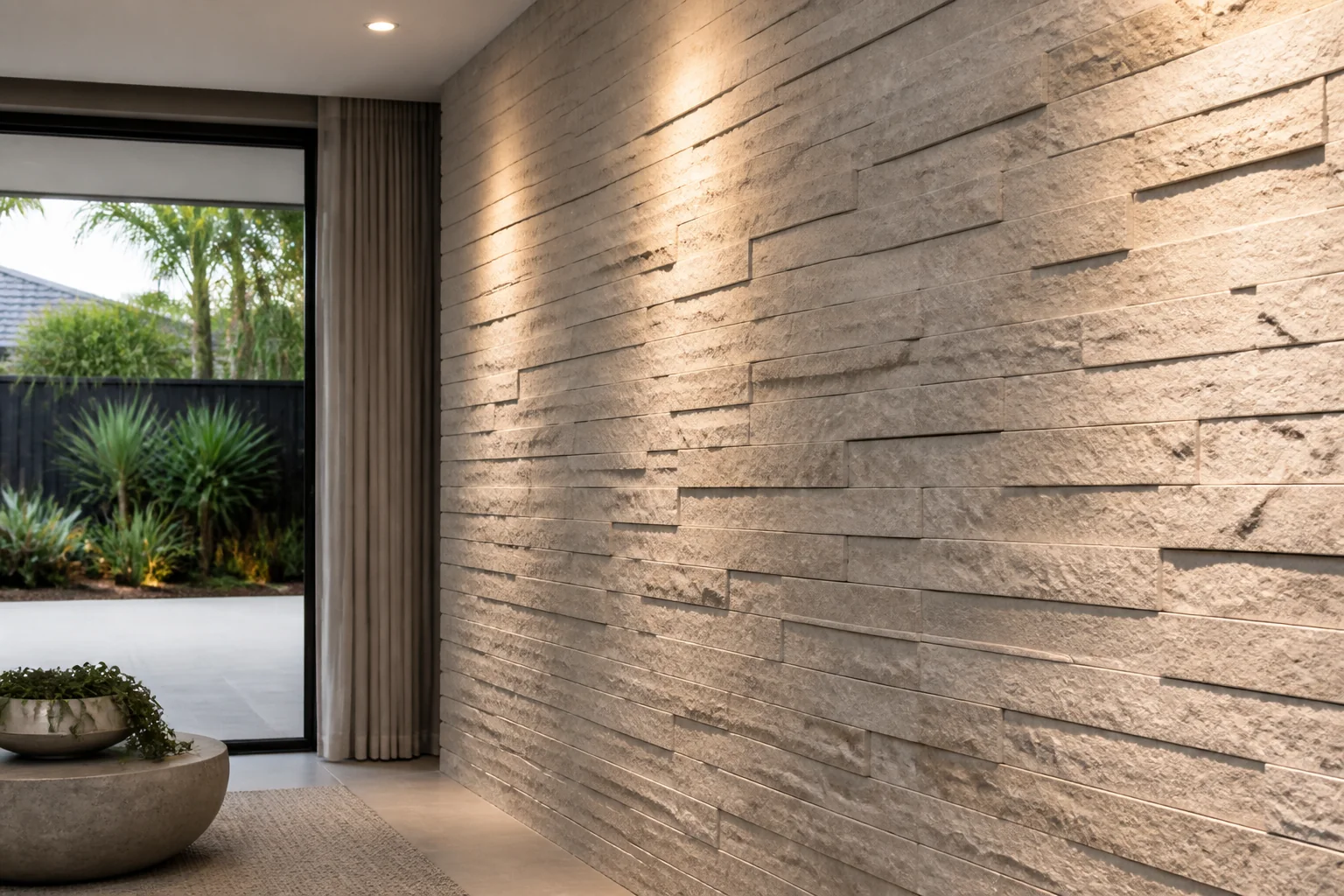
Record whether the surface is an interior feature wall, fireplace surround, bathroom wall, facade, boundary element or sheltered outdoor zone. Check substrate construction, flatness, moisture, movement, temperature, height and expected impact. A lightweight internal decorative tile is not automatically suitable for an exterior facade.
Obtain tile weight per square metre, adhesive requirements and substrate limits. Heavy or thick pieces may need additional support or a proprietary system. Do not assume that a wall lining capable of receiving a light ceramic tile can carry any manufactured or natural stone product.
Where fibre-cement or another sheet substrate is proposed, follow the current sheet manufacturer’s system. James Hardie exterior tiling guidance, for example, links product weight, waterproofing, adhesive compatibility, sheet joints and mechanical support to the specified assembly rather than offering a universal rule.
Printed stone-look tiles use a finite number of graphics. Ask how many faces are supplied and rotate or distribute them to avoid obvious repeats. Manufactured and natural stone may need sorting by colour, length and relief. Lay out a representative section before fixing.
Set a datum around ceilings, floors, windows, cabinetry and focal points. Confirm whether the design uses visible grout, tight-looking joints approved by the supplier, stacked pieces or mixed lengths.
Resolve these details before ordering because special pieces, extra cutting and waste can materially affect price and appearance.
Grazing light makes relief and lippage more visible. Review samples under the planned natural and artificial lighting. Dark joints and deep profiles can create stronger shadows than a flat showroom display suggests.
Choose a cleaning method compatible with tile, grout, sealer and adjacent finishes. Rough relief in cooking or high-dust zones may require more frequent attention. Natural stone and some manufactured products may need sealing.
The Australian Tile Council standards list identifies AS 3958 for ceramic and stone tile installation and AS ISO 13007 for adhesives and grouts. Exterior above-ground waterproofing and wet areas have separate considerations. Confirm current NCC, standards, product evidence and jurisdictional requirements.
Some are porcelain or ceramic with printed graphics; others are manufactured or natural stone. Confirm composition and documentation.
Only if the exact product and complete wall system are documented for the exterior exposure.
They may. Check weight, height, substrate, adhesive and manufacturer requirements with the responsible designer and installer.
Review the available faces, open several cartons, rotate pieces where allowed and approve a dry layout.
It depends on material and finish. Follow the tile, grout and sealer documentation.
Send wall dimensions, location, substrate, exposure, inspiration, quantity and delivery destination through the Forge contact page.
Evidence boundary: General guidance only; verify structural support, exposure, waterproofing and installation for the project.
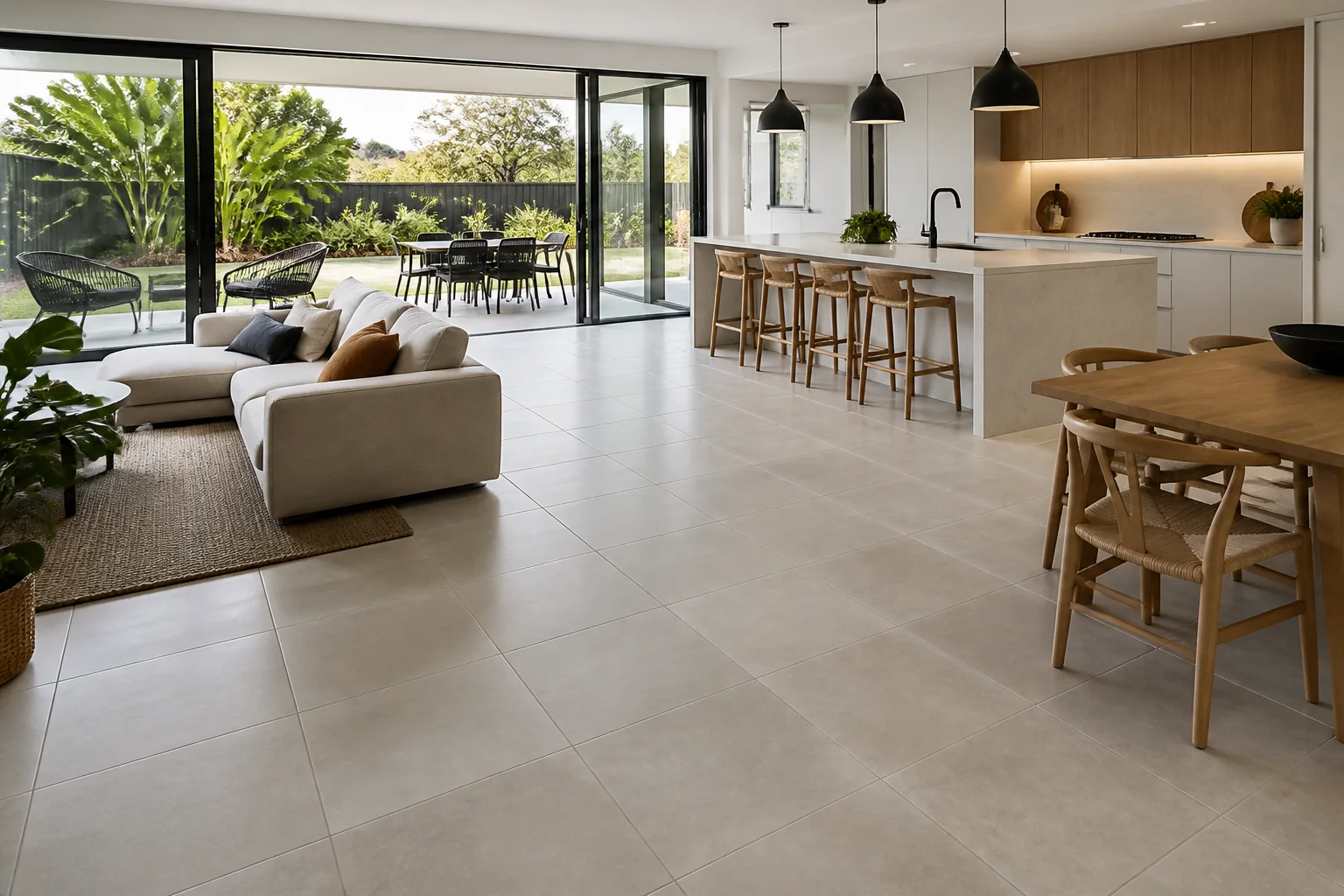
Choose floor tiles by comparing room use, slip, wear, size, substrate, cleaning, installation and long-term replacement requirements.
2026-08-31
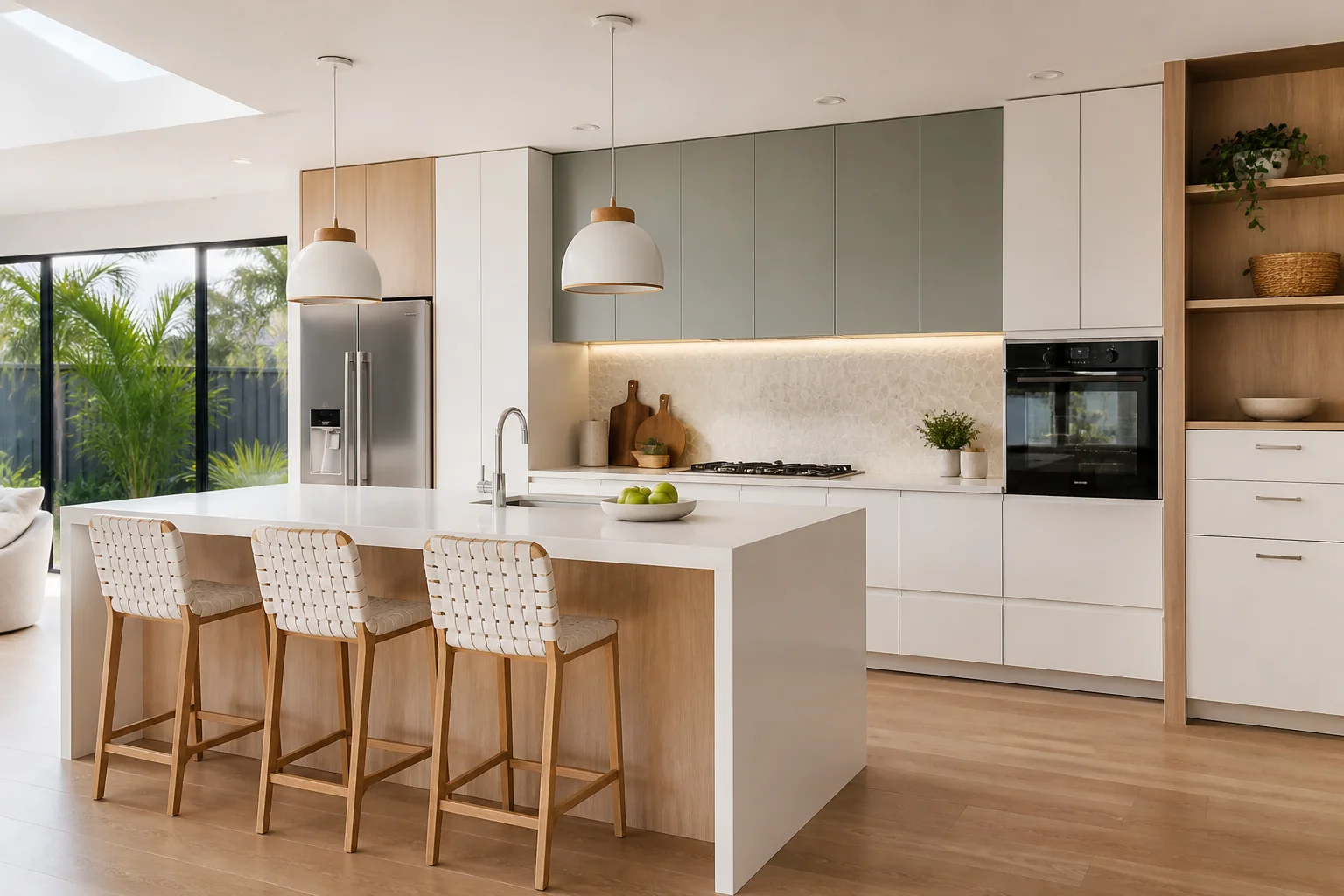
Compare modular kitchen sets by layout, cabinet construction, hardware, appliances, services, delivery, installation and whole-project cost.
2026-09-04
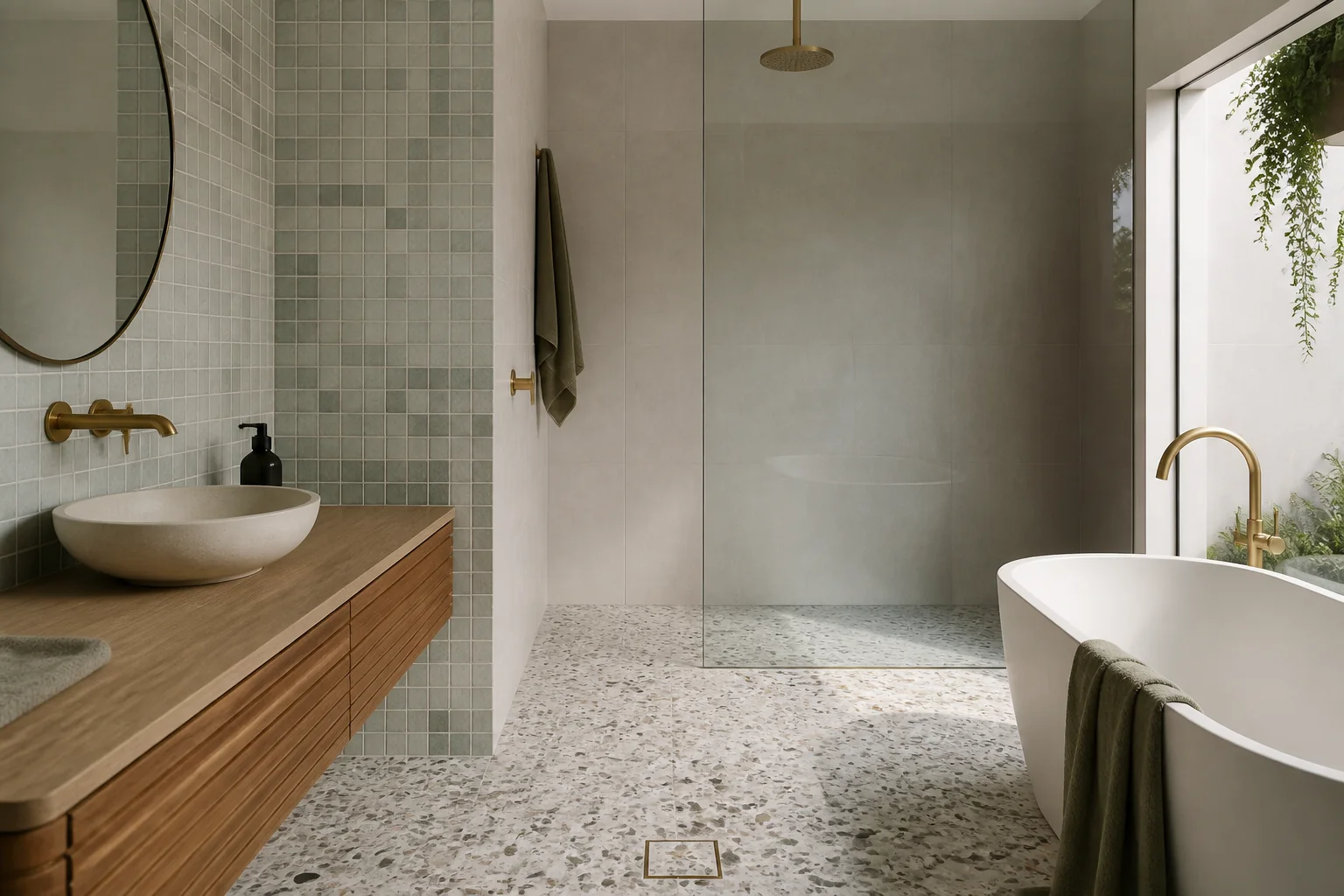
Compare mosaic and terrazzo tiles by composition, sheet layout, aggregate, joints, slip, sealing, substrate, installation, cleaning and repair.
2026-09-08

Evaluate Cotto products Australia for Australian projects by checking intended use, product evidence, dimensions, installation, maintenance, delivery and supp.
2026-09-12
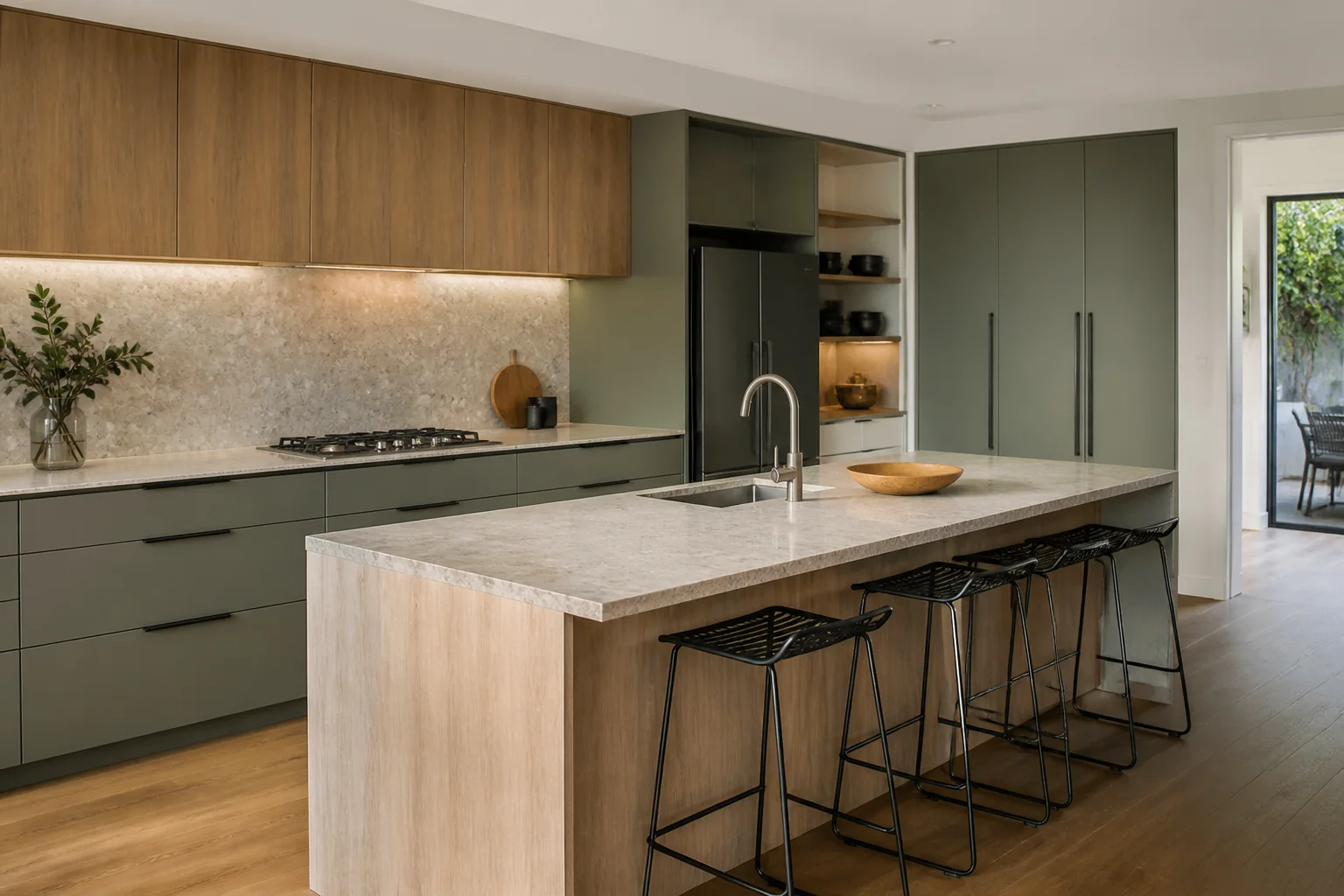
Select kitchen cabinets and modular furniture by comparing storage, carcass, doors, hardware, appliances, services, access and installation scope.
2026-09-16
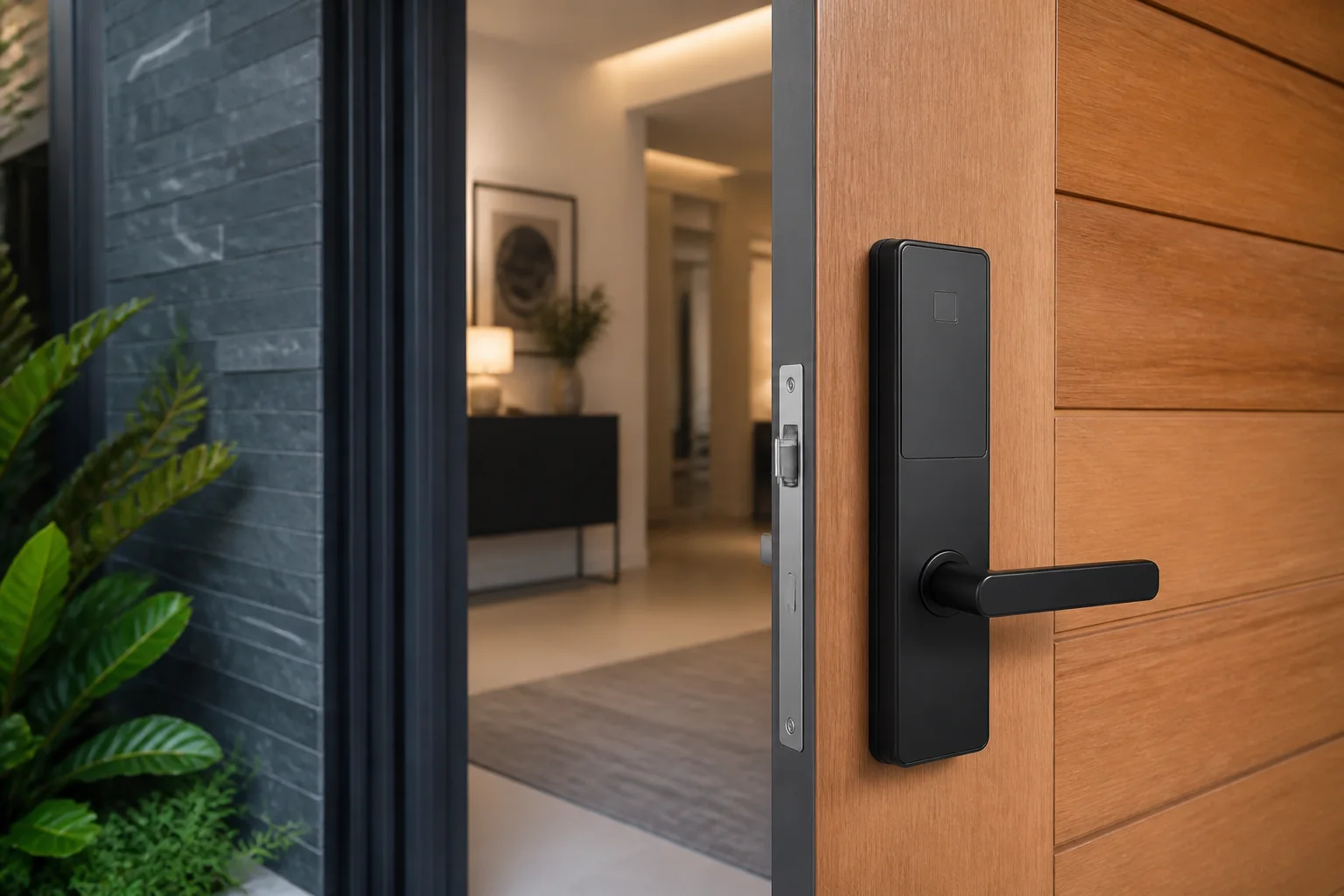
Evaluate digital door locks and access hardware types, meaning and applications for Australian projects by checking intended use, product evidence, dimensions.
2026-09-20