Bathroom wall tiles should be chosen as part of a complete Australian wet-area system, not as decoration alone. Match the tile to the shower, bath, vanity splash zone or dry wall; confirm substrate, waterproofing, adhesive, grout and movement-joint requirements; then test colour, joint width and cleaning effort using full-size samples.
A shower wall faces regular direct water. A wall beside a vanity receives intermittent splashes, while upper walls outside the shower may mainly experience humidity and cleaning. The same visual tile can sometimes be used across these zones, but the supporting construction and detailing may differ.
The National Construction Code’s Waterproofing in houses guide explains where the NCC 2022 wet-area provisions are located and notes that requirements apply to showers, baths, junctions and penetrations. Check the current NCC edition, the applicable state or territory provisions and the selected compliance pathway with the responsible building professional.
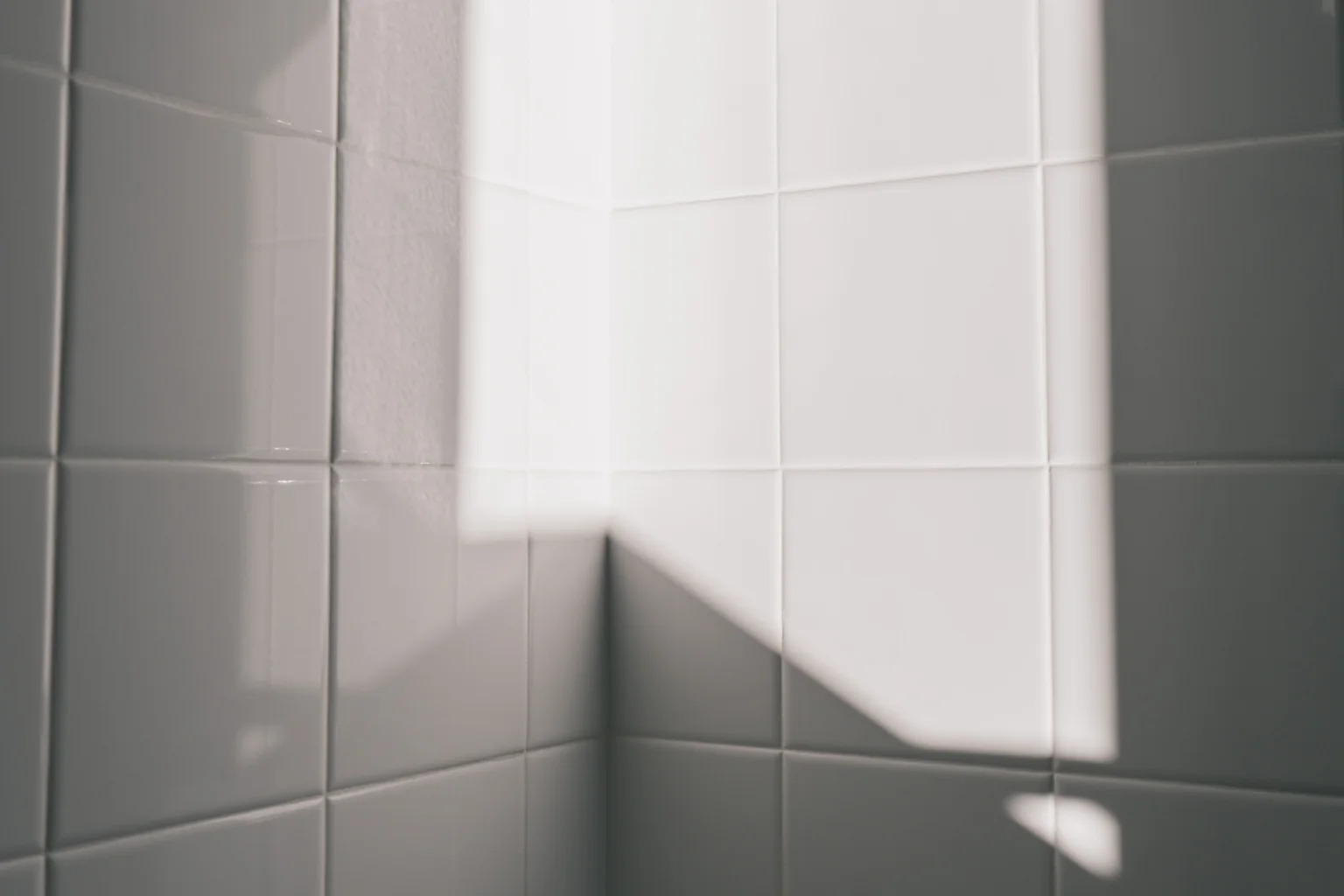
| Material | Design advantages | Questions to verify |
|---|---|---|
| Porcelain | Broad sizes and finishes, including stone and concrete looks | Weight, substrate, adhesive coverage, cutting and edge finish |
| Ceramic | Wide decorative choice and familiar wall-tile formats | Exact wet-area suitability, glaze, trim pieces and installation limits |
| Glass mosaic | Reflective colour and flexibility around curves or niches | Backing, adhesive colour, grout, edge treatment and installer experience |
| Natural stone | Individual pattern and connection with other natural finishes | Porosity, sealing, staining, cleaner compatibility and maintenance |
| Large-format panels | Fewer visible joints and a continuous appearance | Access, handling, wall flatness, specialised cutting and joint layout |
Material labels are only a starting point. Ask for current technical information for the exact tile, finish and intended location. A product suitable for a kitchen splashback is not automatically the right specification for a shower enclosure.
The NCC Performance Requirement for wet areas is intended to prevent water from penetrating behind fittings and linings or into concealed spaces. The ABCB Housing Provisions Part 10.2 distinguishes waterproof and water-resistant materials and systems. Tiles and grout should not be treated as the only water-control layer.
Before tiling, coordinate the wall substrate, membrane or other waterproofing system, internal corners, wall-floor junctions, mixer and shower penetrations, niches, screens and bath interfaces. Work should follow the selected compliance solution, product instructions and project documentation. Do not cover an unverified substrate simply because the tile surface looks complete.
Small tiles can follow curves and create detail, but add more grout joints. Large-format tiles can make a compact bathroom feel calmer, yet need a suitably flat wall and a planned cutting and handling method. The best format produces balanced cuts around corners, ceilings, windows, niches and fittings.
Draw the wall elevations before ordering. Mark finished floor level, tile datum, vanity, mirror, bath lip, mixer centre lines, shower screen and niche. Use those dimensions to test horizontal and vertical layouts. Forge’s design service and measurement information can help organise a wider whole-home brief; bathroom waterproofing and tiling still require project-specific professional coordination.
Warm whites, soft greys and pale stone looks can reflect light and keep a small bathroom visually open. Dark green, charcoal or blue can create depth and a focal wall. Glossy surfaces reflect more light and may show water marks differently from matte finishes. Pattern variation can hide minor residue but requires careful tile distribution before fixing.
Grout can blend with the tile or emphasise the grid. A contrasting grout makes alignment more visible; a close colour creates a quieter surface. Check cleaning and sealing requirements for the complete combination rather than choosing grout by colour alone.
Early coordination reduces awkward slivers, off-centre fittings and unnecessary penetrations. Review site access and trade sequencing using Forge’s general installation information when the bathroom forms part of a larger project.
The correct allowance depends on tile size, pattern, cuts, breakage risk and future availability. Keep labelled spares from the same batch. When coordinating other project packages, review Forge’s warranty information and obtain the separate warranties applying to waterproofing, tiles, adhesives and installation.
Choose care products that are compatible with the tile, grout, sealants and fixtures. Remove soap residue using the recommended method rather than aggressive cleaners that may damage surfaces. Maintain ventilation, inspect joints and sealants, and investigate recurring staining, movement or dampness instead of repeatedly treating the visible symptom.
Sometimes, but confirm suitability for each exposure zone and coordinate the supporting waterproofing or water-resistant construction. One visual finish does not mean every wall detail is identical.
They reduce grout joints and can create a calm appearance, but require flatter walls, planned handling and balanced cuts. Choose size from the actual wall elevations.
Do not rely on grout as the only water-control layer. Wet-area construction should use the documented waterproofing or water-resistant system required for the project.
Both can work. Compare reflection, cleaning, water marks, lighting and the intended design. Review physical samples in the bathroom’s actual light.
The quantity depends on tile size, layout, cuts and future availability. Agree an allowance with the supplier and installer and retain batch details.
The right bathroom wall tiles combine a verified wet-area system, balanced layout, practical maintenance and a finish tested in real light. To coordinate bathroom finishes with a wider Australian home project, send wall dimensions, plans, inspiration images and the intended construction programme through the Forge contact page.
Evidence boundary: This article is general guidance, not a waterproofing design, compliance certificate or installation specification. Confirm the current NCC requirements, jurisdictional variations and product instructions for the specific project.

A practical Australian guide to choosing black garage tiles, including materials, grip, drainage, slab preparation, installation and maintenance.
2026-08-26
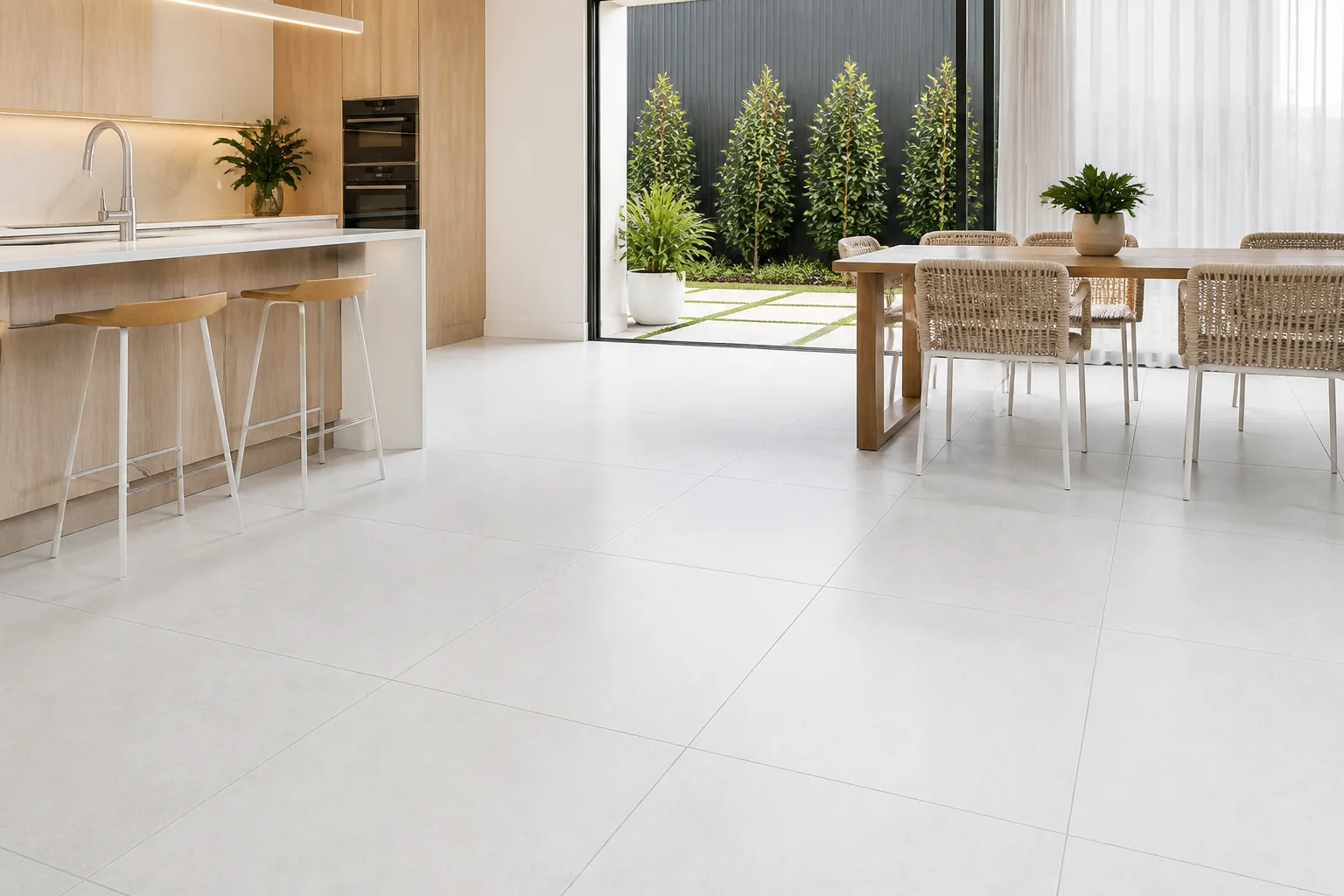
Choose white floor tiles by comparing undertone, finish, glare, grout, room use, slip, cleaning, layout, batch and maintenance requirements.
2026-09-02
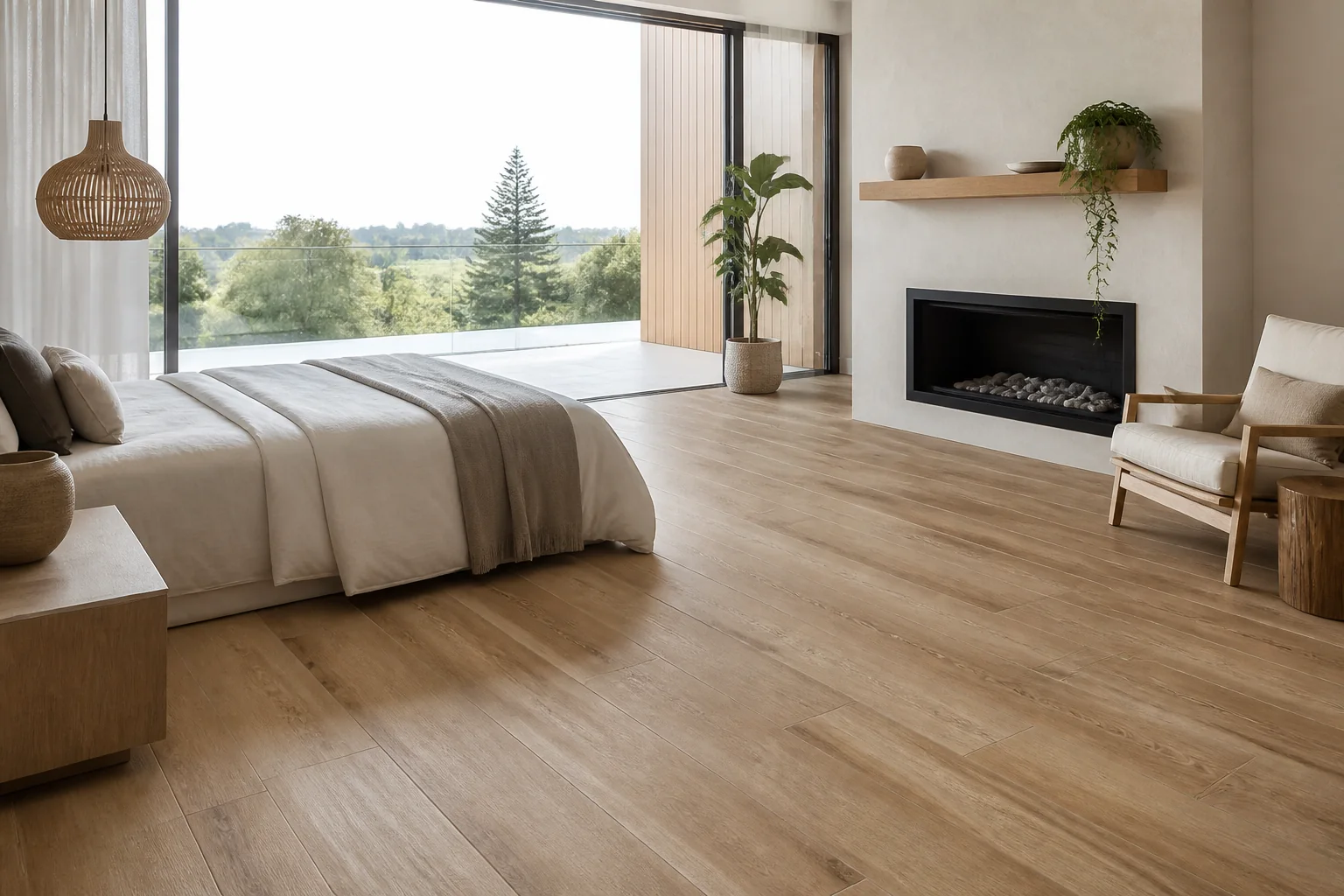
Choose wood-look tiles by comparing plank size, graphic variation, finish, slip, stagger, grout, substrate, installation and cleaning.
2026-09-06
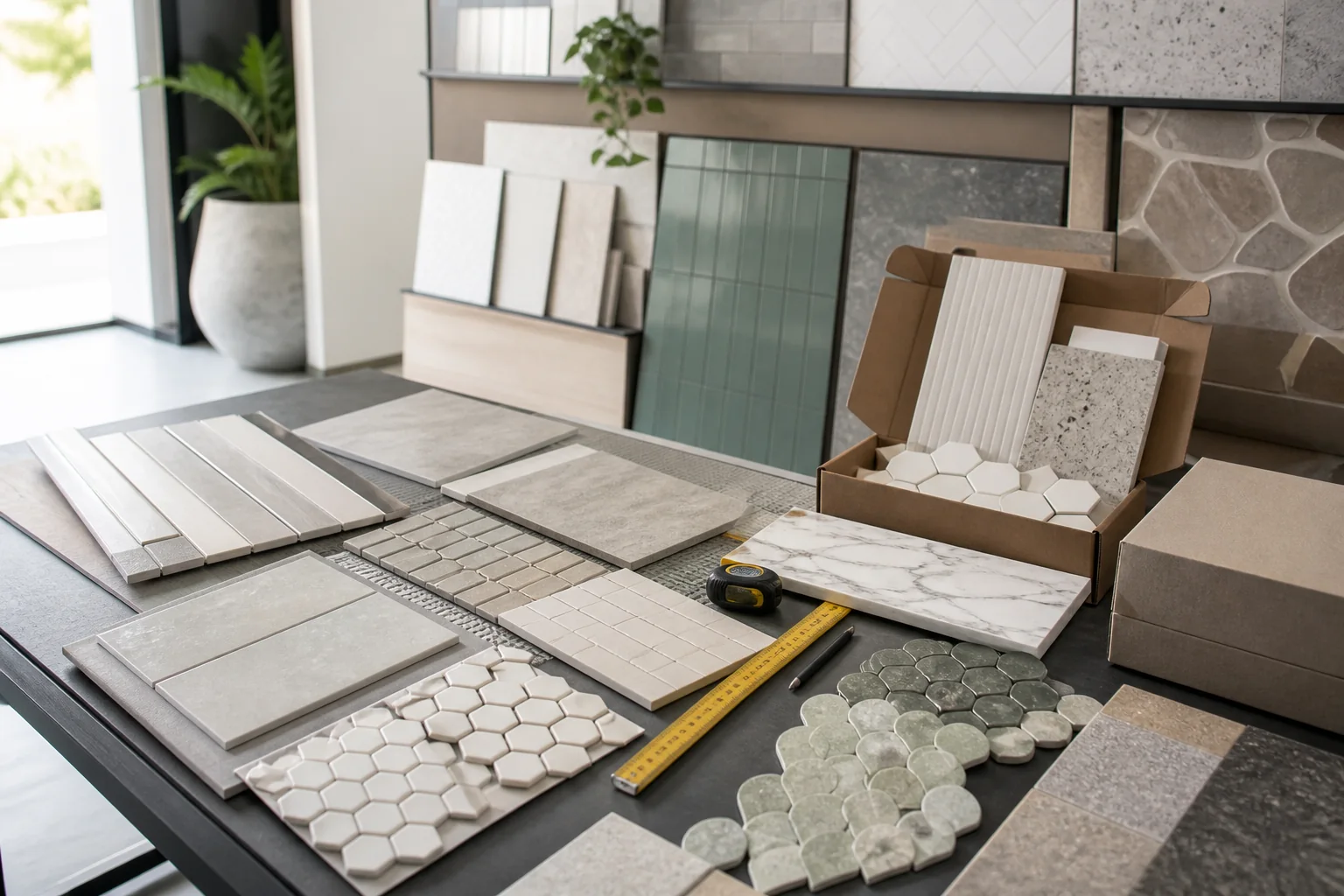
Evaluate tiles and tiling patterns, colours and design guide for Australian projects by checking intended use, product evidence, dimensions, installation, mai.
2026-09-10
Evaluate Hafele products Australia for Australian projects by checking intended use, product evidence, dimensions, installation, maintenance, delivery and sup.
2026-09-14
Evaluate bathroom tiles installation and substrate guide for Australian projects by checking intended use, product evidence, dimensions, installation, mainten.
2026-09-18