Ceramic tiles are a practical Australian wall and floor finish when the exact product is matched to its location, exposure and installation system. Do not select from colour alone. Confirm whether the tile is intended for walls or floors, its dimensions and manufacturing variation, wet-area or exterior suitability, slip information, compatible adhesive and grout, and the maintenance expected after handover.
Ceramic tiles are manufactured from mineral-based materials that are formed, dried and fired. Products may be glazed or unglazed, porous or low-absorption, pressed or extruded, and made for walls, floors or specialty applications. The label does not provide enough information to approve a tile for a project.
The Australian Tile Council’s standards summary identifies AS ISO 13006 for ceramic tile definitions, classifications, characteristics and marking, along with Australian standards for sampling, testing, installation and slip resistance. Obtain current product data and the evidence relevant to the proposed use.
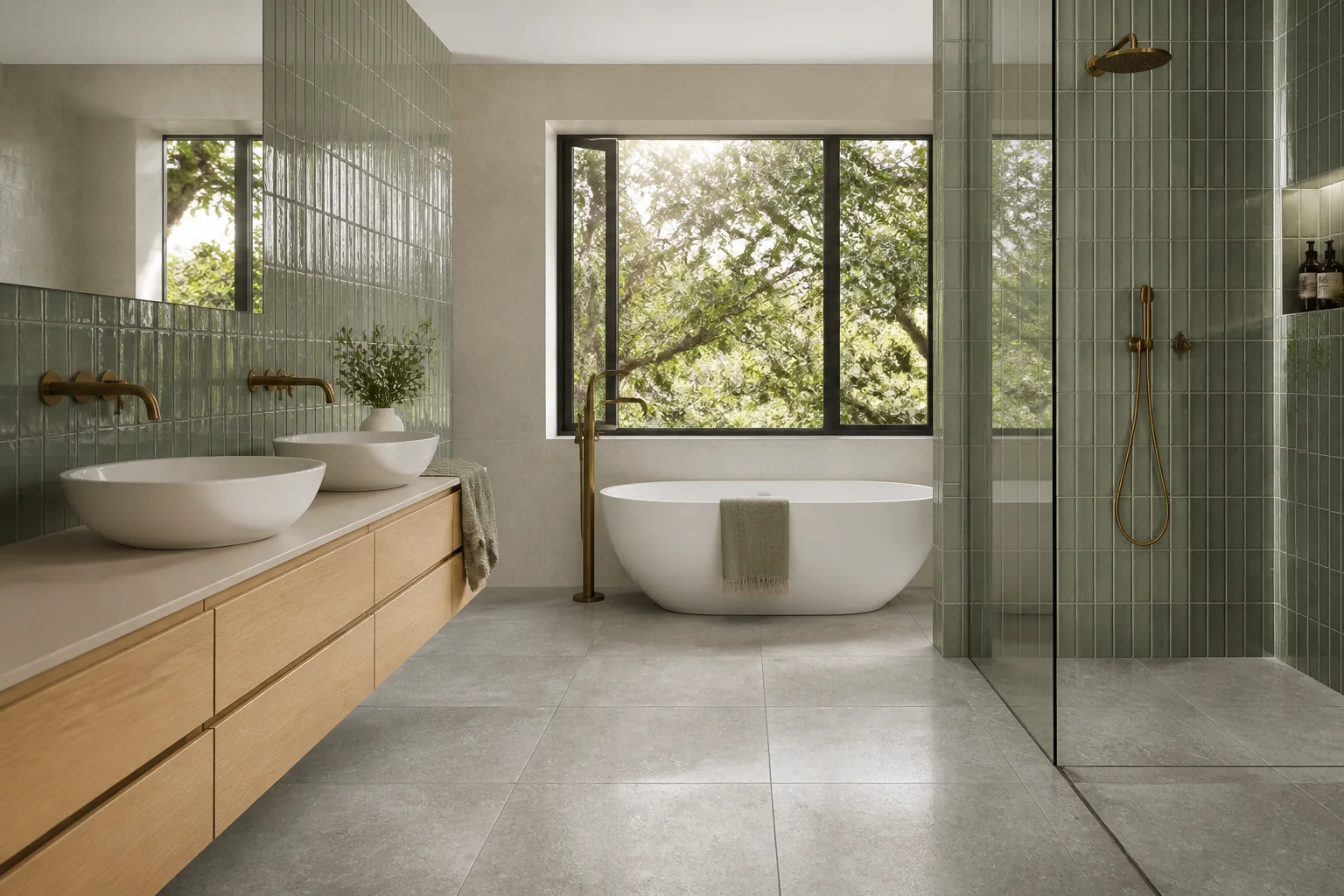
| Finish | Useful characteristics | Items to verify |
|---|---|---|
| Glazed ceramic | Wide colour and decorative range; many wall formats | Wall or floor rating, glaze durability, edge, wet-area suitability |
| Porcelain | Low-absorption products and broad floor, wall and exterior options | Slip classification, finish, cutting, adhesive coverage, weight |
| Unglazed ceramic | Colour and texture through or near the tile body | Porosity, sealing, staining, cleaning and location |
| Natural stone | Individual veining, texture and material character | Stone type, sealing, staining, movement and cleaner compatibility |
Porcelain is not automatically the best choice for every surface, and glazed ceramic is not limited to basic applications. The right decision follows the room, performance brief, substrate, installer capability and desired appearance.
Confirm water-exposure zones and the selected wet-area construction before choosing the finish. Tiles and grout should not be treated as the only water-control layer. Coordinate penetrations, niches, baths, screens, vanities and wall-floor junctions before the waterproofing and tiling sequence begins.
Floor tiles must suit foot traffic, expected contaminants, cleaning and wet conditions. Slip performance is location-specific; a rougher surface is not proof of suitability. Review current test information and the project’s requirements, then verify falls, drainage, transitions and grout joints.
Consider heat exposure, grease, food staining, cleaning chemicals, power outlets and the junction with the benchtop. Small decorative ceramics can create detail; larger formats reduce grout lines but need accurate cutting around cabinets and services.
Check abrasion, tracked dirt, acoustic expectations, transitions and movement joints. A polished light-coloured floor can show debris and reflected glare differently from a matte mid-tone finish. Test a sample through a normal cleaning cycle.
Use a product documented for the specific external location. Coordinate slip, drainage, substrate movement, waterproofing where applicable, weather exposure and cleaning. Indoor and outdoor tiles with a similar appearance may have different surfaces and test results.
Nominal size describes the product family; actual dimensions and permitted variation influence the joint layout. Rectified tiles can support narrower, controlled joints when the product, substrate and installation specification allow. Non-rectified products may need a different joint strategy.
Shade variation may be intentional. Open several cartons and dry-lay representative pieces before fixing. Confirm batch, shade and calibre on delivery and do not mix unapproved production lots. Order the agreed waste and spare quantity while the same batch is available.
The Australian Tile Council lists AS 3958 for installation of ceramic and stone tiles and AS ISO 13007 for tile adhesives and grouts. Current standards are not generic DIY recipes; the project team should determine which provisions and product instructions apply.
The lowest tile price can produce a higher installed cost if the layout creates excessive cuts, the substrate needs more preparation, the tile is difficult to cut, matching trims are unavailable or replacement stock cannot be obtained. Compare carton coverage, waste, freight, adhesive, grout, trims, preparation, installation and spare stock.
For consumer purchases, the ACCC explains consumer guarantees relating to acceptable quality, fitness for disclosed purpose, matching descriptions or samples and other basic rights. Record the intended location and advice received before purchasing.
Yes. Porcelain is within the ceramic tile family, but the exact classification and characteristics must come from the product documentation rather than appearance.
Only if the manufacturer documents the exact product as suitable for the intended floor location. Wall-only products may not meet floor traffic, impact or slip requirements.
No. Tiles and grout are finishes within a wet-area system. Confirm substrate, waterproofing or water-resistant construction, penetrations and junctions for the project.
The allowance depends on format, pattern, cuts, breakage, batch availability and future repairs. Calculate from the approved layout and round up to whole cartons.
Some unglazed tiles, natural materials and cementitious grout may need sealing; many glazed surfaces do not. Follow the exact tile, grout and sealer documentation.
Send the room schedule, dimensions, drawings, intended surfaces, inspiration images, quantity, delivery location and performance requirements through the Forge contact page. Forge can review the information as part of a coordinated Australian project-material enquiry and confirm what can be sourced.
Evidence boundary: General selection guidance only. Verify current NCC provisions, Australian Standards, state or territory requirements and product instructions with the responsible project professionals.
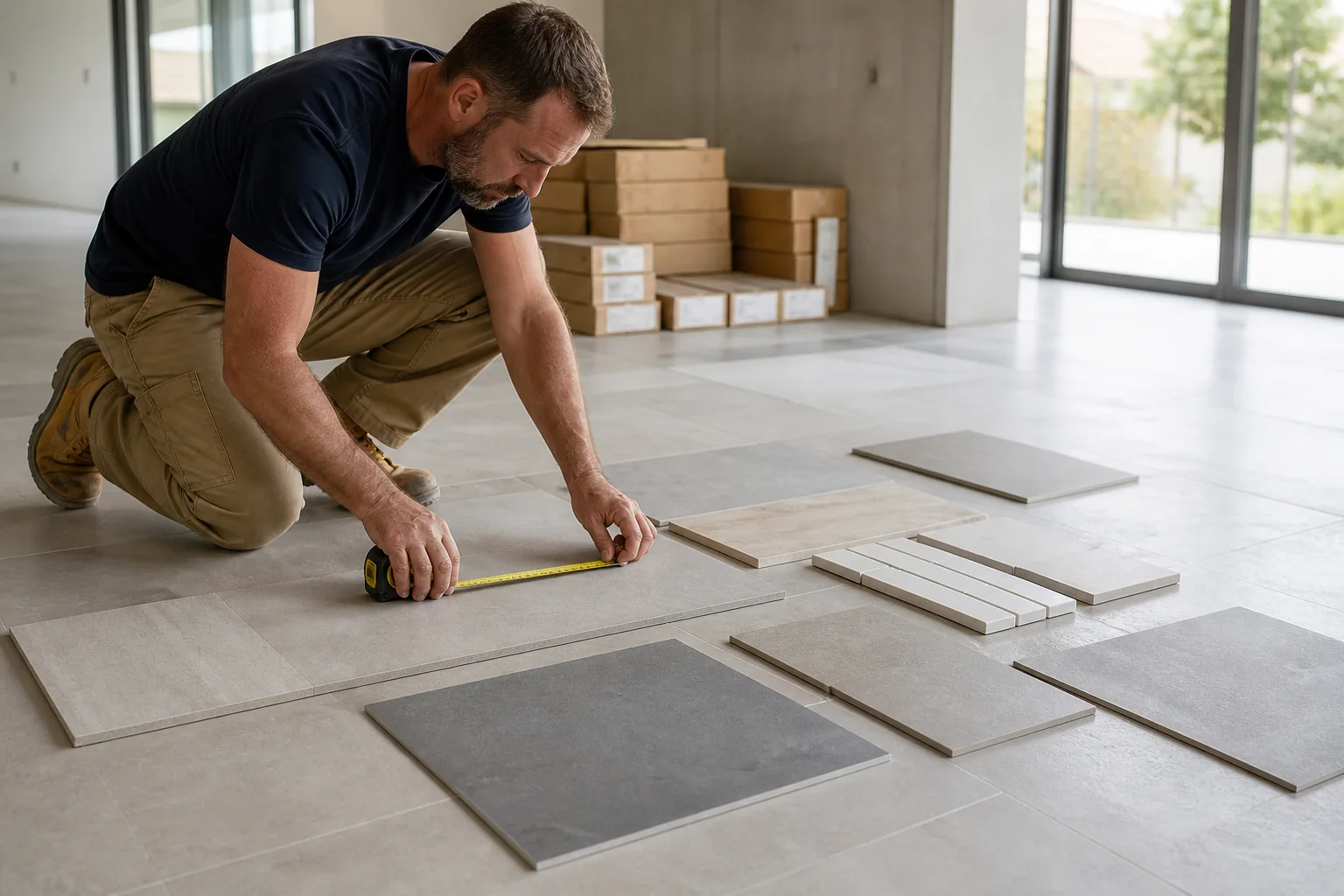
Calculate tile area, carton coverage, waste and spare quantities, then compare common tile sizes, layouts, cuts, grout joints and delivery constraints.
2026-08-30
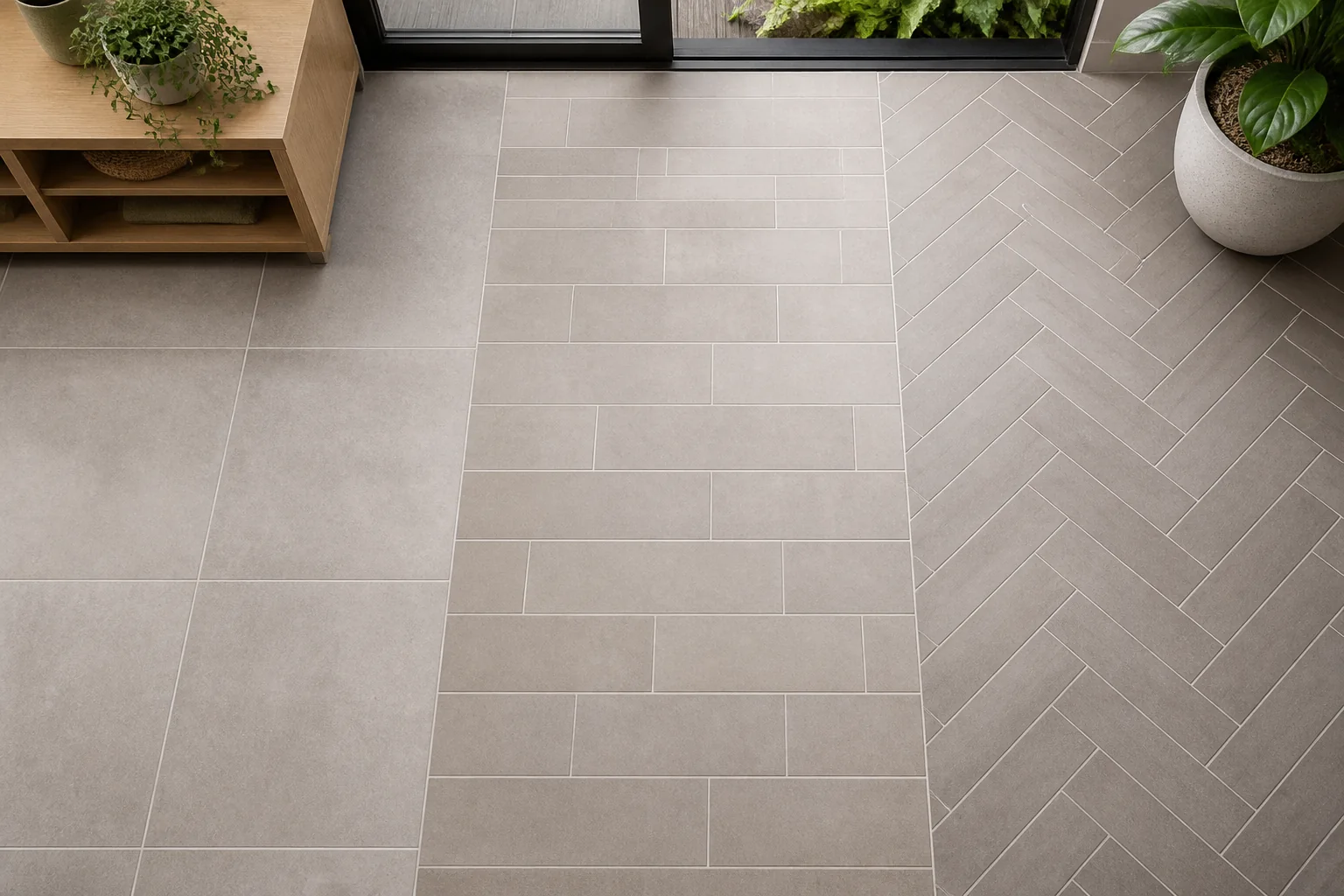
Compare tile layout patterns by room geometry, module, direction, grout, cuts, waste, movement joints, installation time and visual balance.
2026-09-03
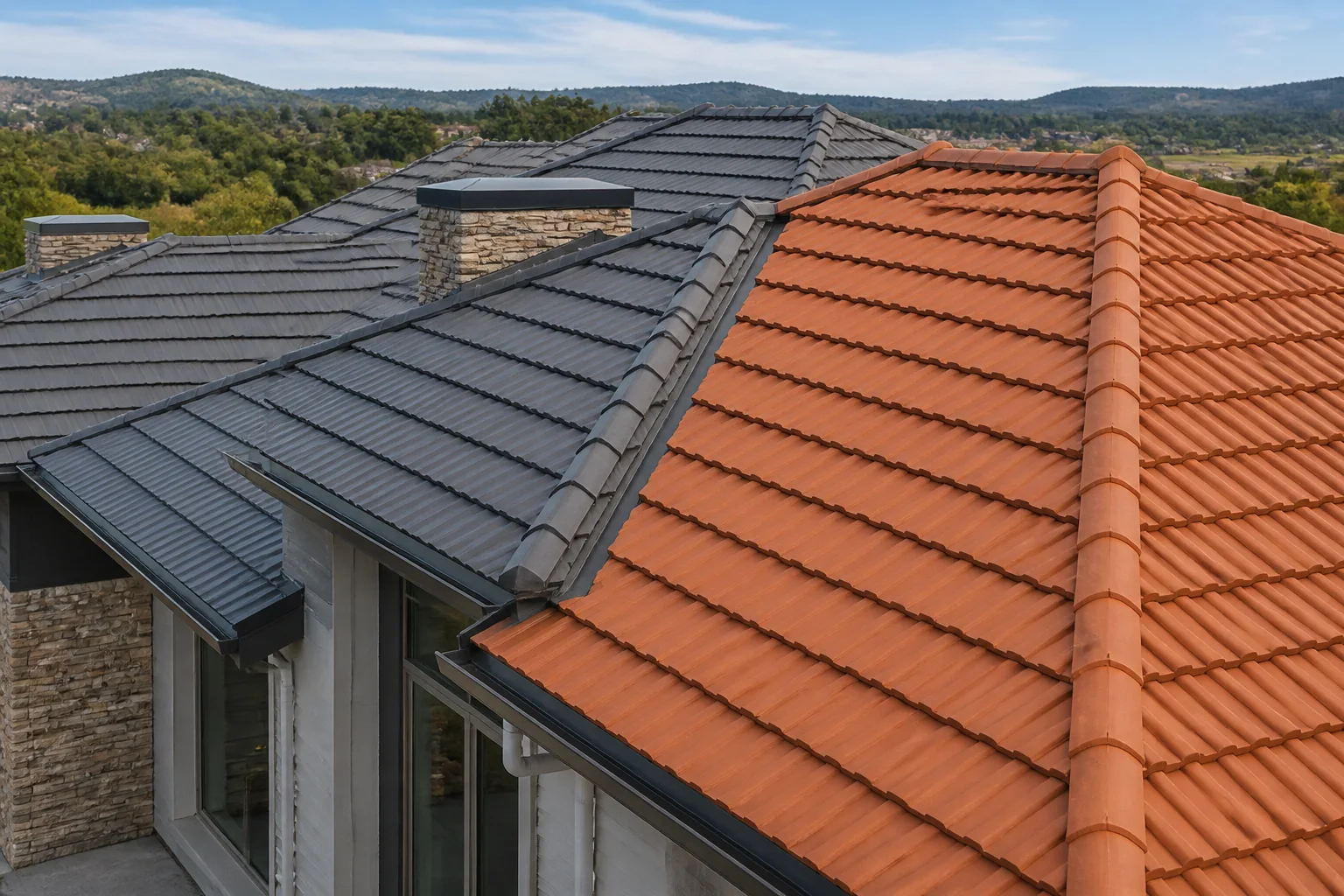
Choose roof tiles by comparing material, colour, pitch, weight, flashing, drainage, weather exposure and replacement responsibilities.
2026-09-07
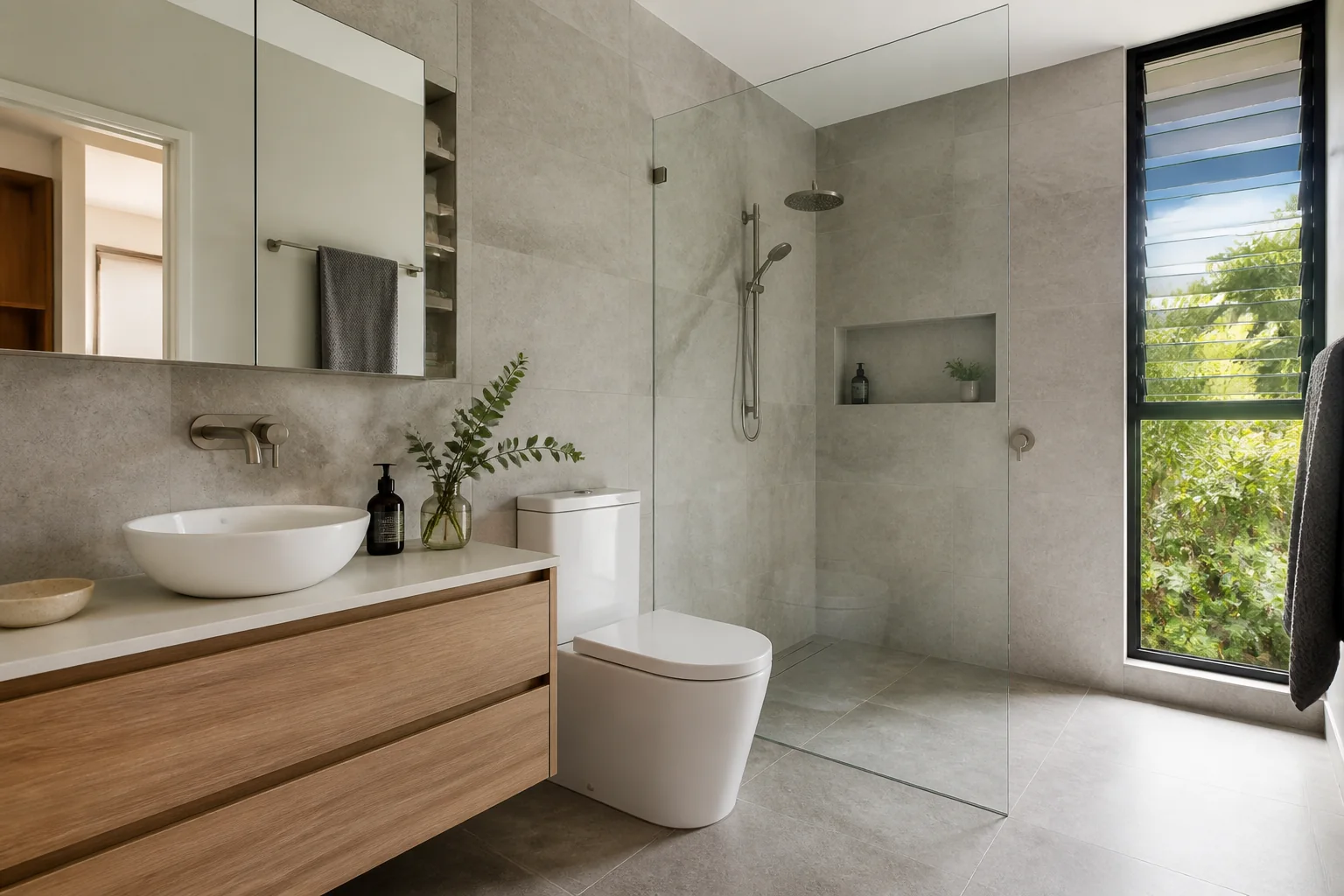
Evaluate Englefield products Australia for Australian projects by checking intended use, product evidence, dimensions, installation, maintenance, delivery and.
2026-09-11
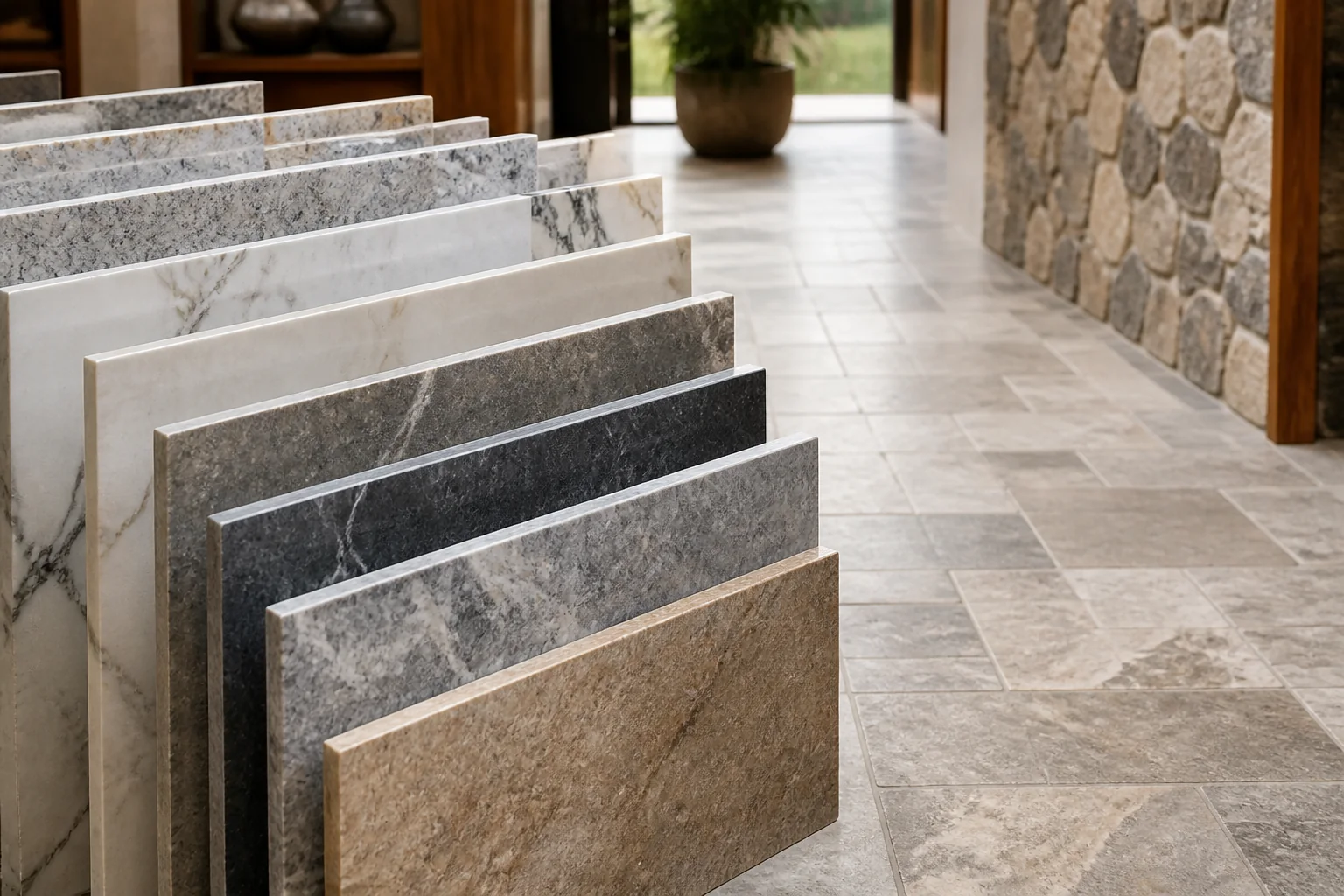
Evaluate granite, marble and stone tiles patterns, colours and design guide for Australian projects by checking intended use, product evidence, dimensions, in.
2026-09-15
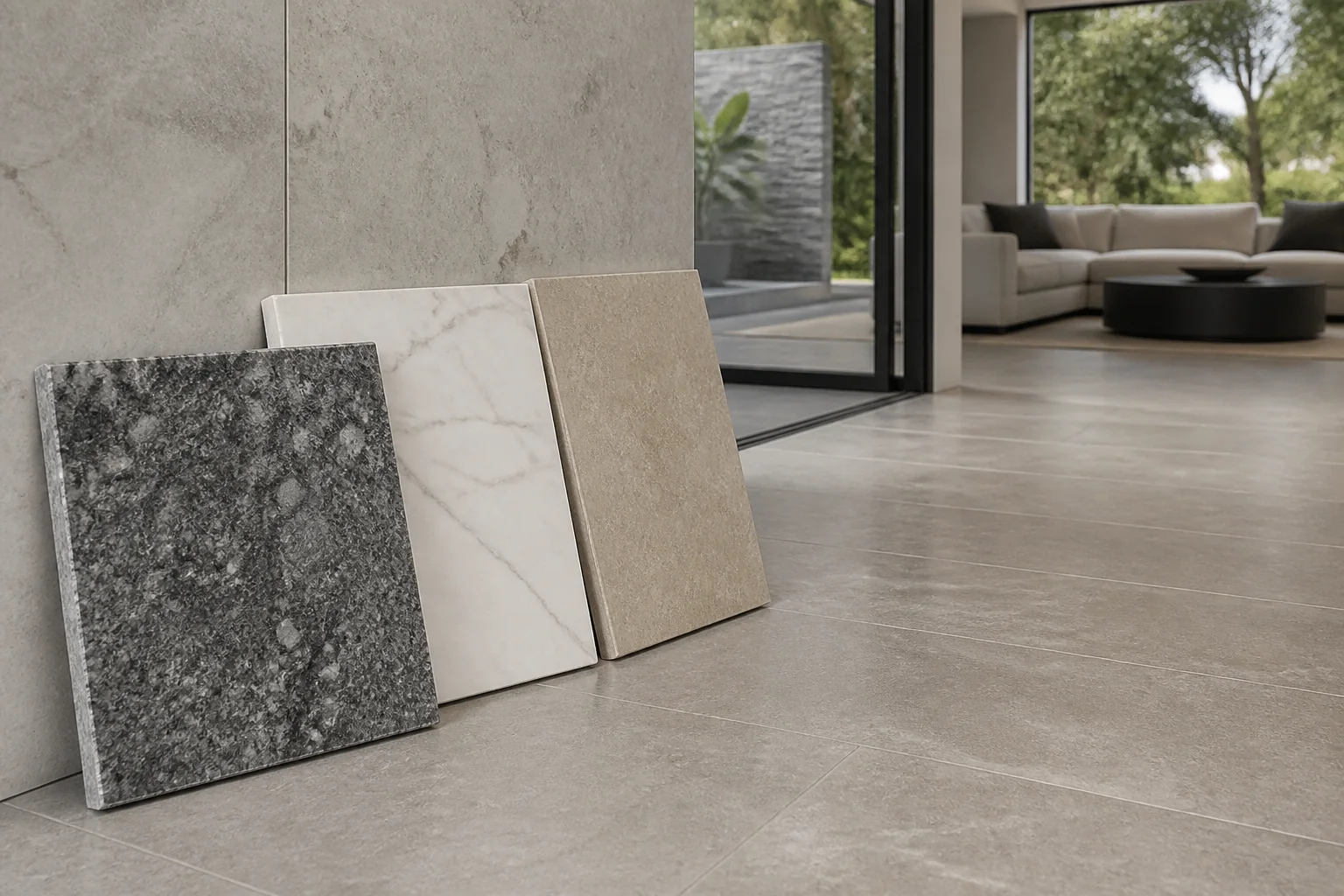
Evaluate granite, marble and stone tiles australian selection guide for Australian projects by checking intended use, product evidence, dimensions, installati.
2026-09-19