A tile rate is a useful starting point, not a finished budget. Two quotes can show different prices per square metre because one includes only cartons while the other includes substrate repair, waterproofing, delivery and labour. Compare the written scope before comparing the number.
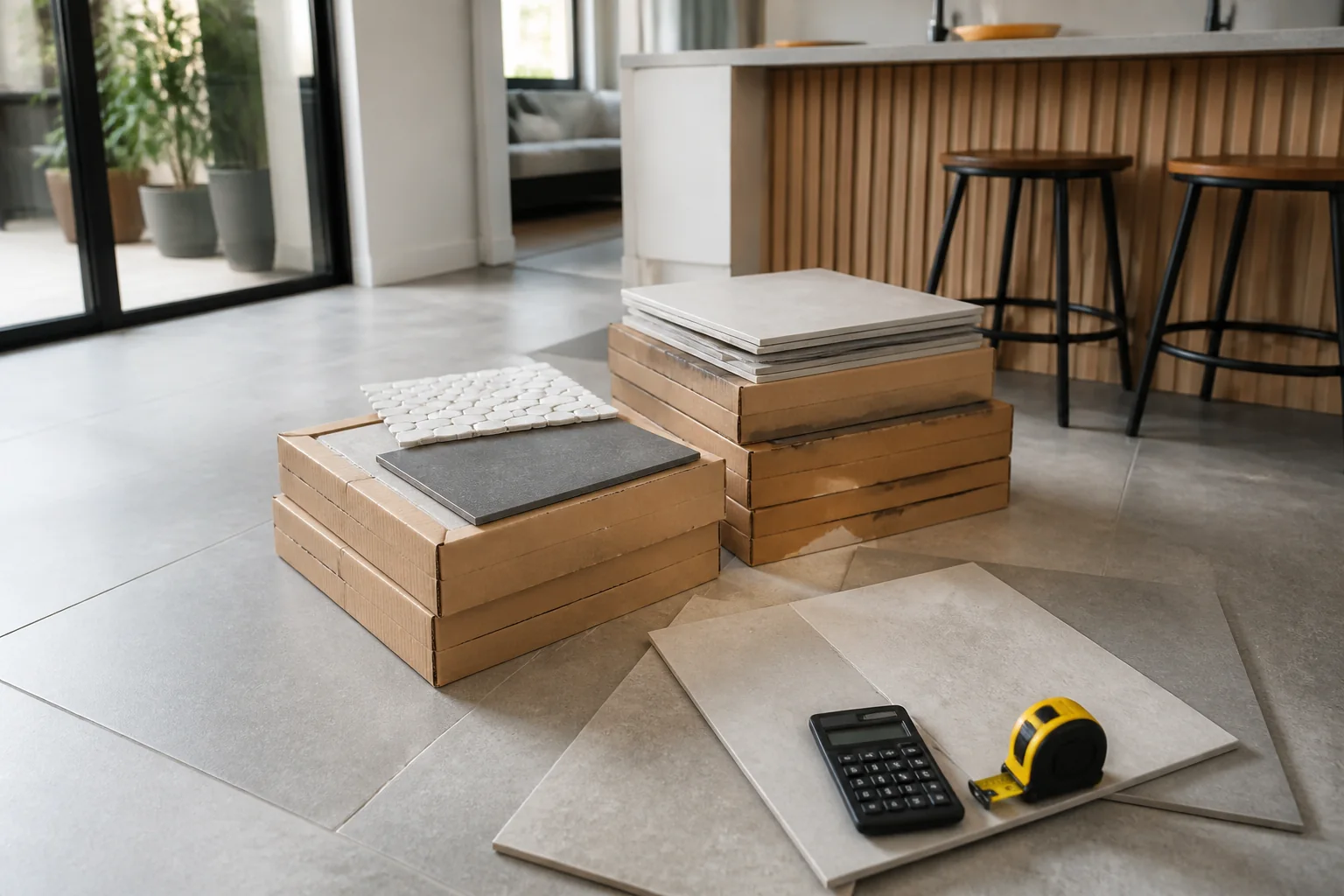
Start with the measured floor or wall area, then check the carton coverage and round up to whole cartons. Add the approved allowance for cuts, pattern, breakage and a labelled spare stock. Large formats, mosaics, stairs and awkward access can change labour and handling even when the tile rate is unchanged.
| Layer | Items that may be excluded |
|---|---|
| Product | Carton rounding, batch, sample, freight and breakage |
| Preparation | Removal, levelling, moisture repairs, falls and waterproofing |
| Installation | Adhesive, grout, trims, labour, access equipment and curing time |
| Handover | Cleaning, disposal, spare stock and care instructions |
Give each supplier the same plan, tile code, joint direction, finish, destination and access conditions. Ask for product, delivery, preparation, installation, GST and exclusions as separate lines. If a quote uses a different coverage or waste assumption, recalculate it before deciding which offer is cheaper.
A drawing may not show hollow areas, wet substrate, concealed services or restricted unloading. List those unknowns as provisional items rather than burying them inside a single allowance. That makes the final variation easier to explain.
Ask whether the price assumes a level, dry and ready substrate, normal access, standard cuts and one delivery. A bathroom renovation may also need demolition, waterproofing inspection, waste relocation or after-hours access. Those items can outweigh the tile itself.
Keep the quote, approved layout and delivery docket together. If cartons arrive from different batches, record where each batch is used so a future repair does not rely on a visual match alone.
There is no single useful average. Material, format, region, access, preparation and installation scope all change the total.
Only when the quote says so. Ask whether it covers preparation, adhesive, grout, trims, access and disposal.
Use the approved layout and carton coverage, then keep a documented allowance for cuts, breakage and future repairs.
Evidence boundary: Product suitability, Australian requirements, prices and installation responsibility depend on the selected system and project. Check current manufacturer documents and obtain advice from the relevant Australian building professional before approval.
For a written comparison, send the measured areas, drawings, tile code, destination and installation scope through the Forge contact page.
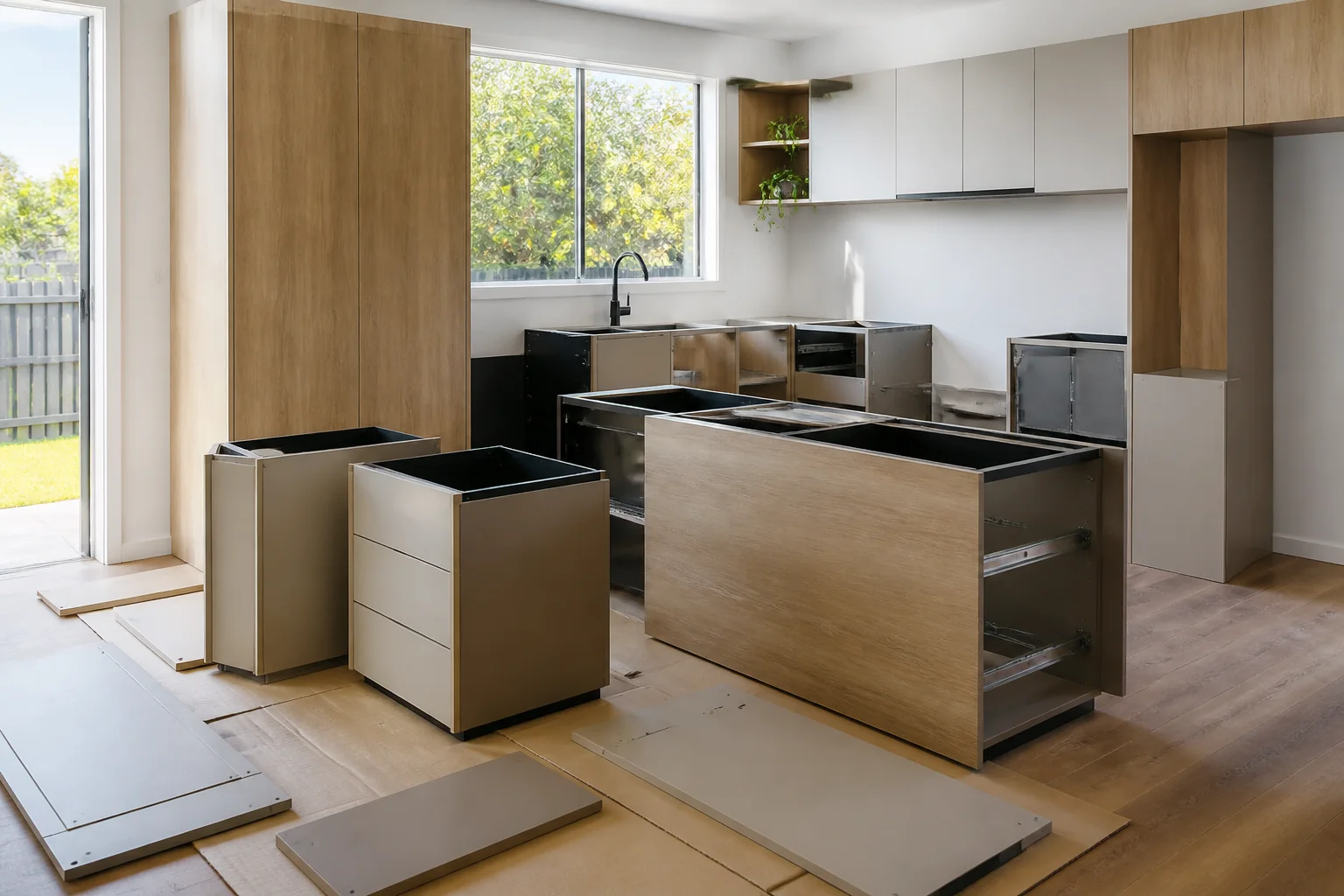
Plan a flat-pack kitchen by comparing layout, cabinet materials, hardware, benchtops, services, installation, delivery and whole-project cost.
2026-08-29
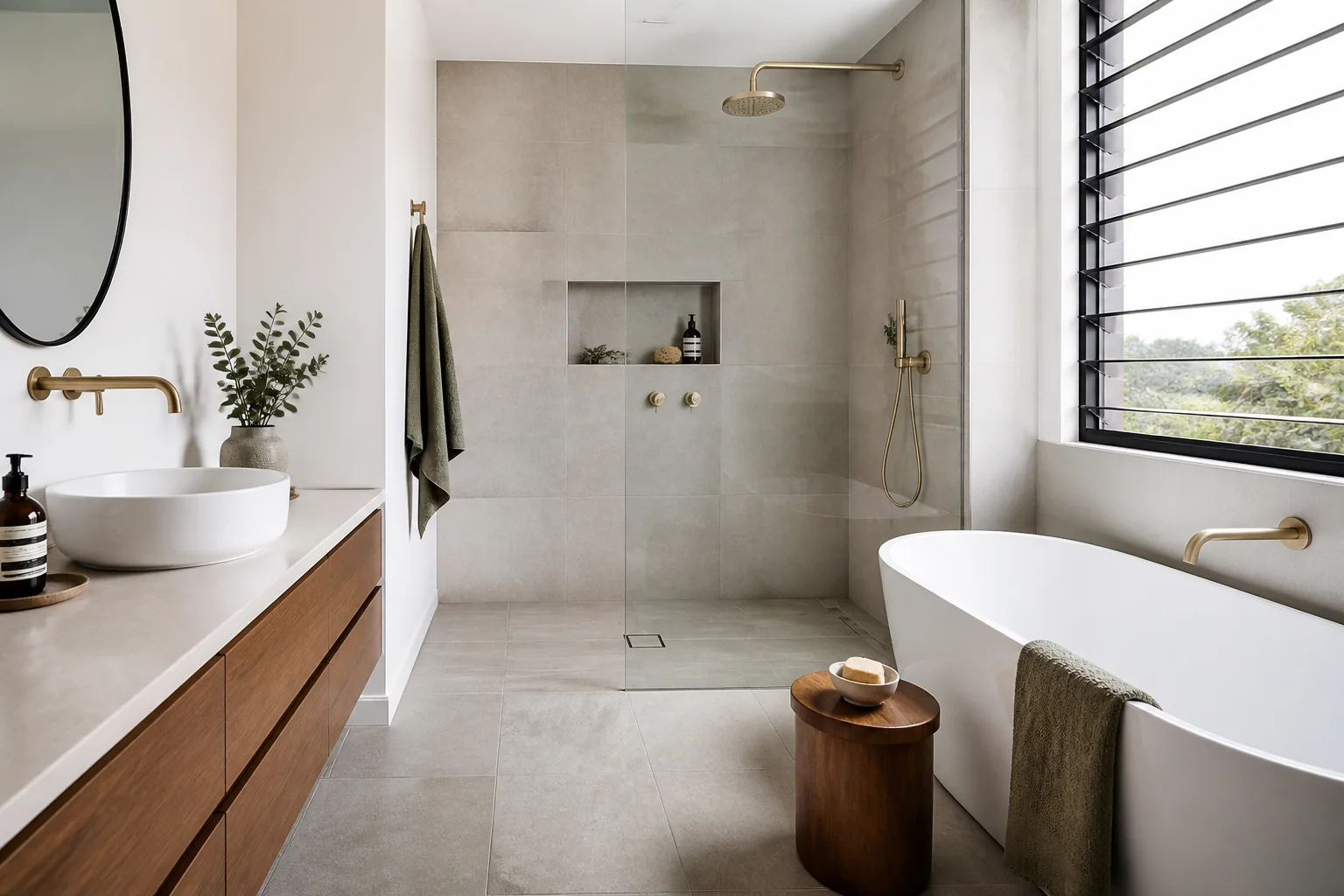
Design bathroom tiles by mapping wet zones, waterproofing, falls, fixtures, tile formats, colour, grout, niches, edges and maintenance.
2026-09-03
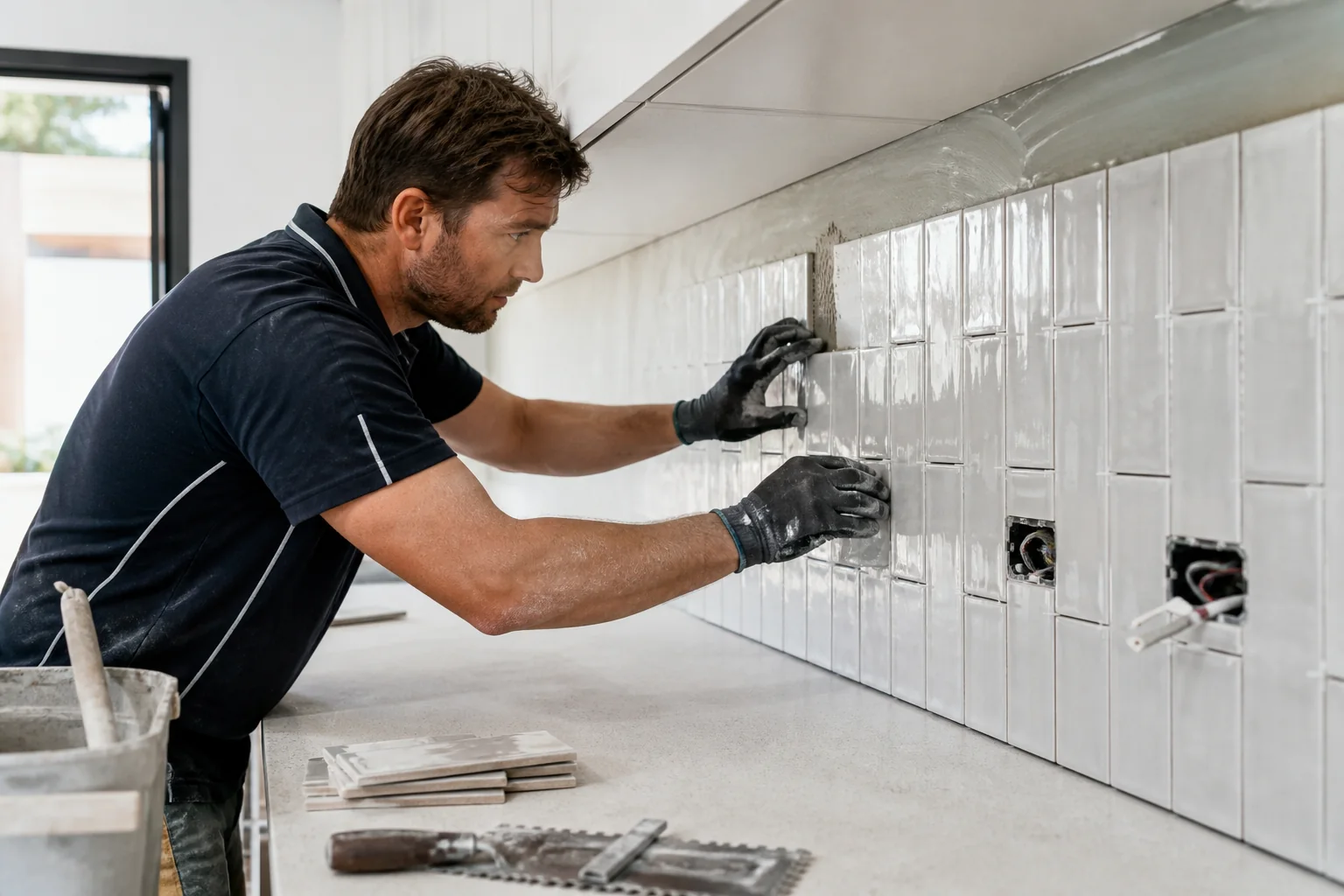
Plan DIY kitchen wall tiling around the substrate, services, splashback layout, adhesive, cuts, grout, edges and trade responsibilities.
2026-09-07
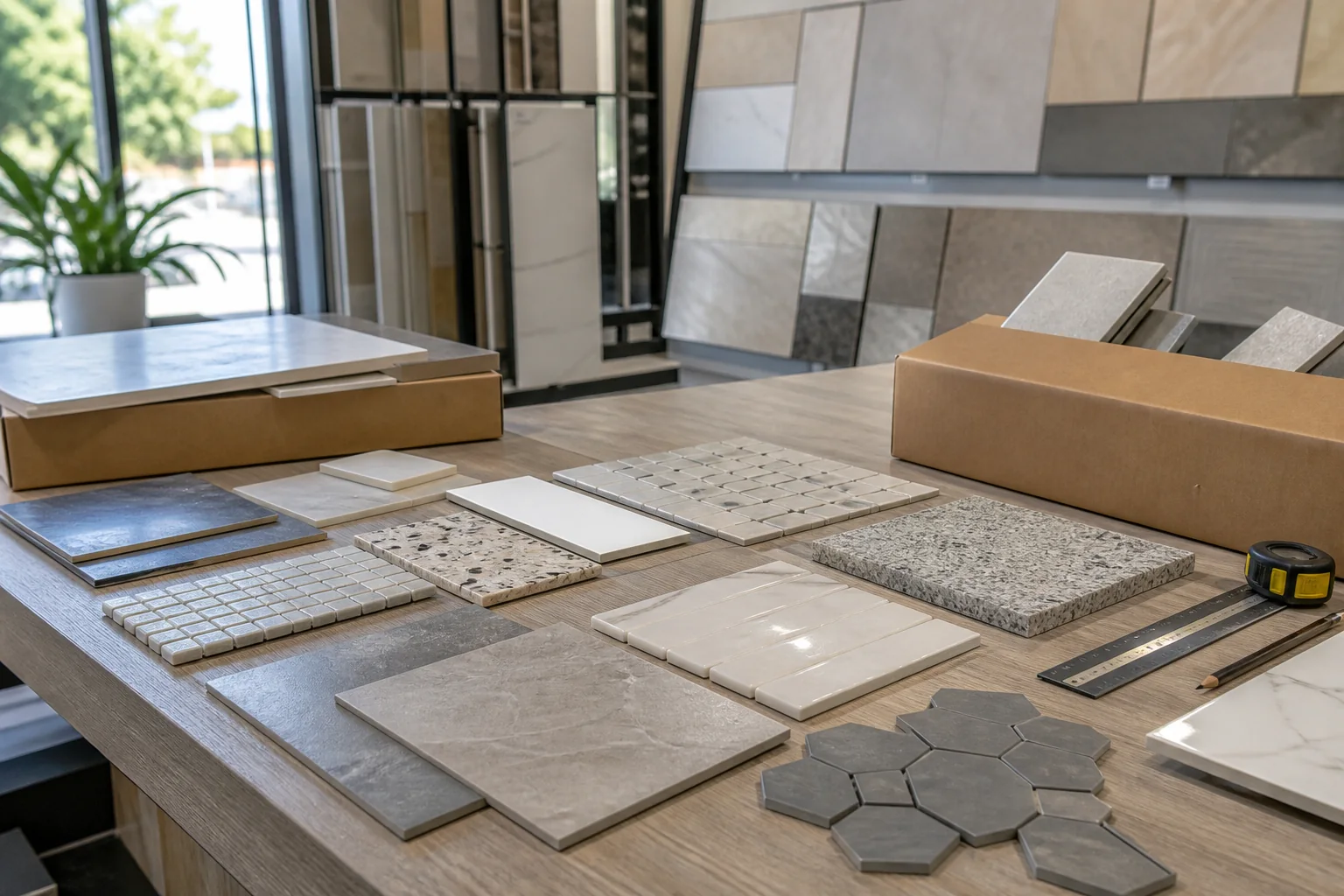
Understand tile types by composition, classification, finish, intended use, installation limits and the evidence needed for an Australian project.
2026-09-11

Evaluate Campana products Australia for Australian projects by checking intended use, product evidence, dimensions, installation, maintenance, delivery and su.
2026-09-15
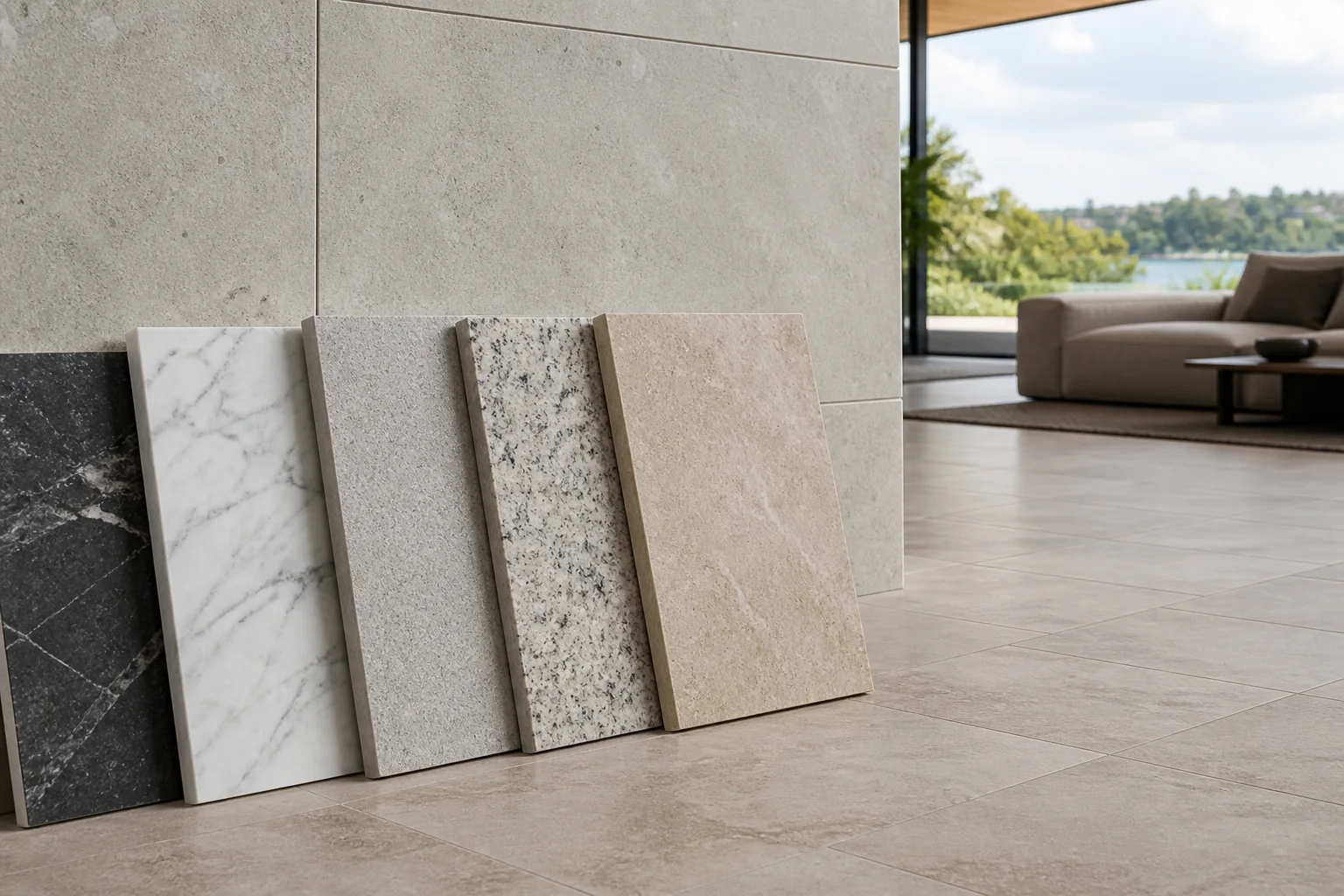
Choose granite, marble and stone tile sizes by checking format, thickness, weight, finish, layout, support, sealing and access.
2026-09-19