An indoor wooden bench can serve as kitchen seating, an entry perch or a flexible dining seat. Start by deciding where people will use it, how long they will sit and what needs to be stored nearby. A kitchen bench, an L-shaped corner bench and a cushioned entry bench have different space and maintenance needs, so choose the shape after measuring the room and traffic path.
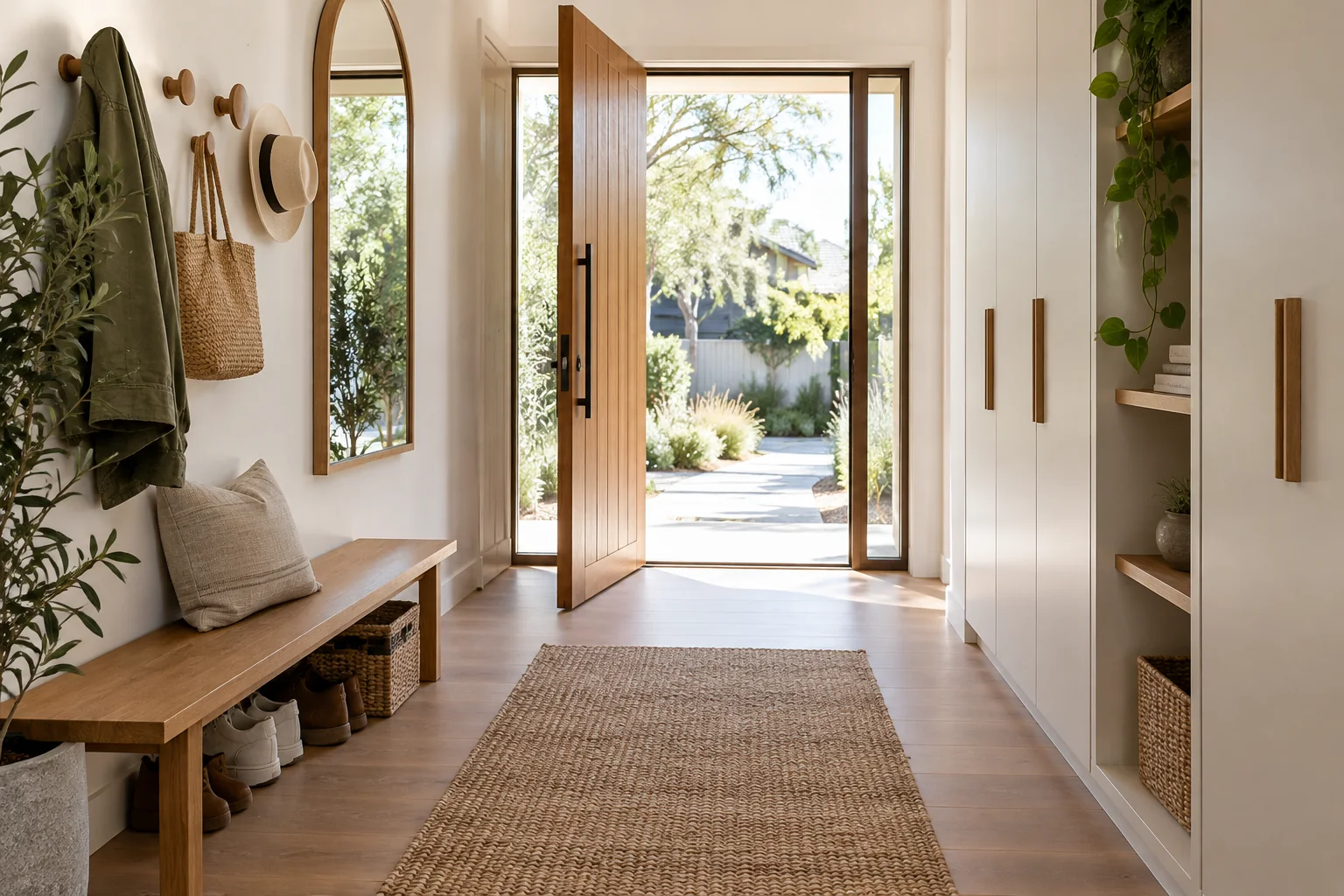
“Bench for sitting” can mean a dining seat, a place to put on shoes, a kitchen island seat or occasional extra seating. The intended use determines the seat height, back support, finish and space around it. A bench used for short stops can be simple and open. A bench used for long meals may need a backrest or loose cushions. An entry bench needs a clear approach and a surface that tolerates everyday bags and shoes.
Measure the available wall length and mark the bench’s full depth. Include cushion thickness, table legs, door swings and nearby cabinetry. If the bench is used at a dining table, test how people enter the seat and whether they can slide along it without moving the table. For an L-shaped bench, pay special attention to the inside corner: a seat that looks efficient on a plan may leave one person trapped at the end.
| Bench type | Typical use | Design check |
|---|---|---|
| Straight kitchen bench | Dining table, window seat or open wall | Access at both ends and clearance from drawers |
| L-shaped bench | Corner dining area or breakfast nook | Corner reach, entry to the seat and table leg position |
| Bench with cushion | Entry, dining or occasional seating | Cover washability, slip resistance and storage when removed |
| Bench with hooks | Entry or mudroom organisation | Coat length, hook reach, wall fixings and path below |
The phrase “wooden kitchen bench” can describe different constructions: solid timber, a veneered panel or a timber-look finish over another substrate. Ask which one the product uses, what the coating is, and how spills, heat, cleaners and sunlight affect care. Request a physical finish sample where colour consistency matters. Timber grain and colour vary, so a small online swatch may not represent every part of the finished item.
A cushion can improve comfort but should not slide into the cooking aisle or create an awkward edge at the table. Confirm its actual dimensions, fastening method and cleaning instructions. In kitchens, removable covers are easier to maintain than upholstery that cannot be separated. Avoid placing fabric where it is likely to contact hot cookware, water or food-preparation mess.
Hooks work best when the items they hold do not collide with doors, mirrors, artwork or people sitting below. Decide whether they are for daily coats, bags, hats or children’s school items. Measure the longest item you expect to hang and mark its full drop on the wall. Check the wall construction and use fixings suitable for the wall and expected load; decorative hardware alone does not confirm a safe fixing.
For matching cabinetry and furnishings, compare the site’s furnishing materials and furniture materials categories. The chosen model’s specification should determine dimensions, installation and maintenance.
It can use a corner efficiently when the table, seat entry and main walking route are planned together. The inside seat may be difficult to enter if the table is too close or the end is boxed in. Mock up the plan with chairs and table legs before building the bench.
Yes, if coats and bags do not block the door, walking line or seated person. Confirm the wall can support the chosen fixings and consider the longest item that will hang there. Test positions with real coats before drilling so the arrangement suits everyday use.
Match the cushion dimensions to the seat and check its attachment and cleaning method. A removable washable cover is practical for frequent use. Make sure the cushion does not slide, overhang into a passage or interfere with a person getting up from the bench.
Choose an indoor bench by its job and location, then test its full footprint with people and furniture in place. A well-measured kitchen bench, cushioned seat or bench with hooks can make a compact area more useful when access and maintenance are considered before installation.
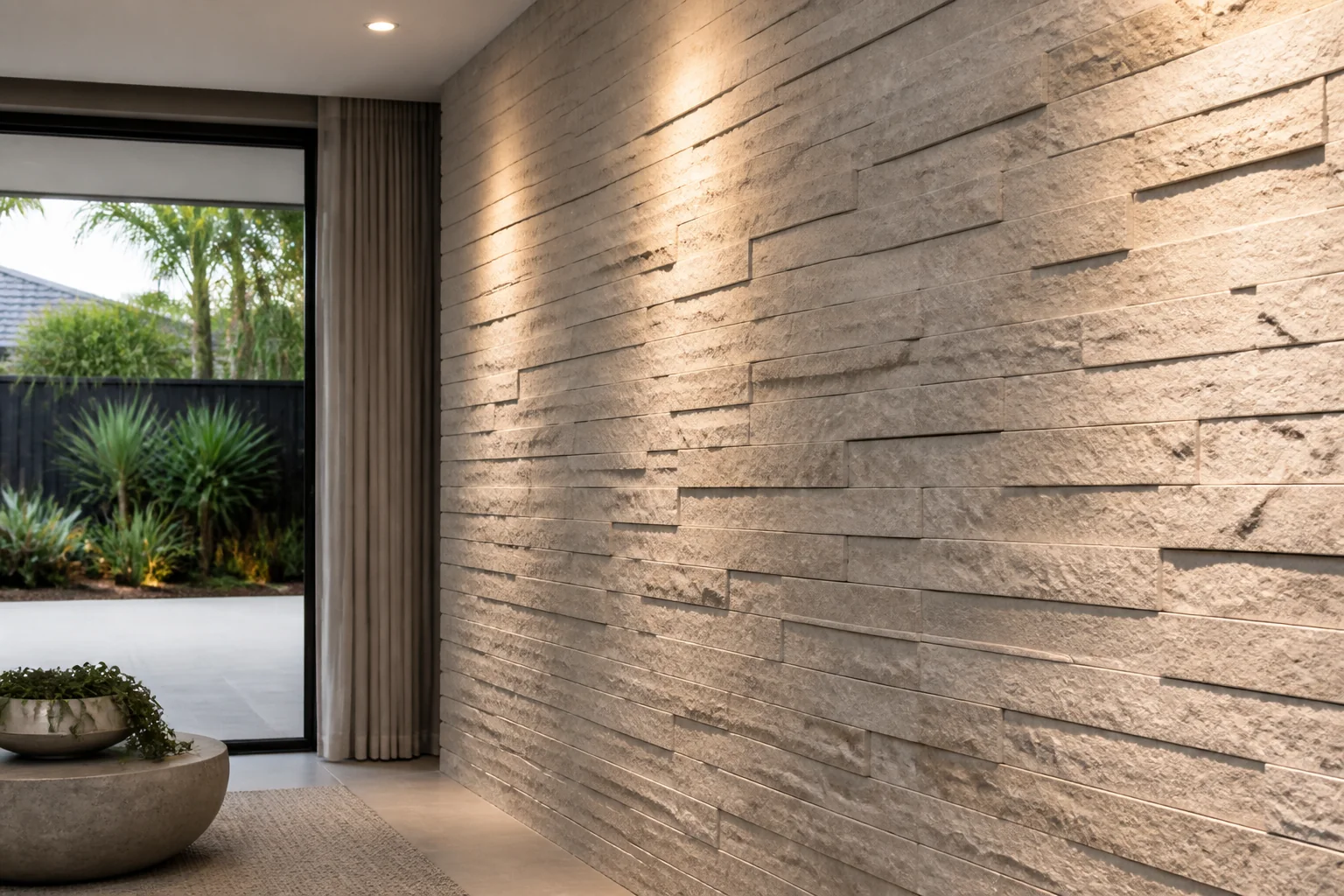
Compare stone-look wall tiles by material, relief, weight, joints, corners, substrate, lighting, cleaning and installation requirements.
2026-08-31
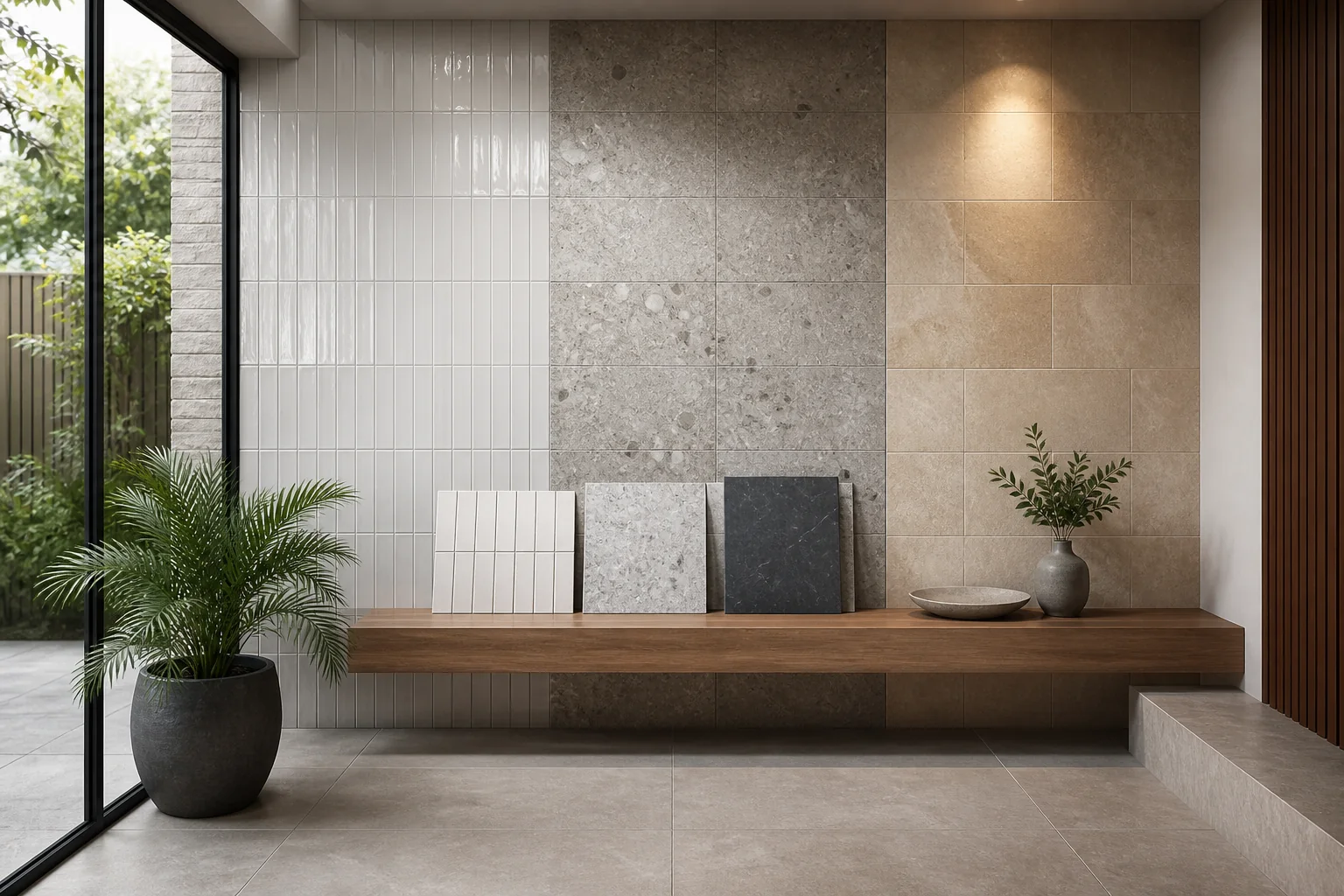
Choose wall tiles by comparing room exposure, material, weight, format, substrate, layout, grout, edges, cleaning and installation requirements.
2026-09-04
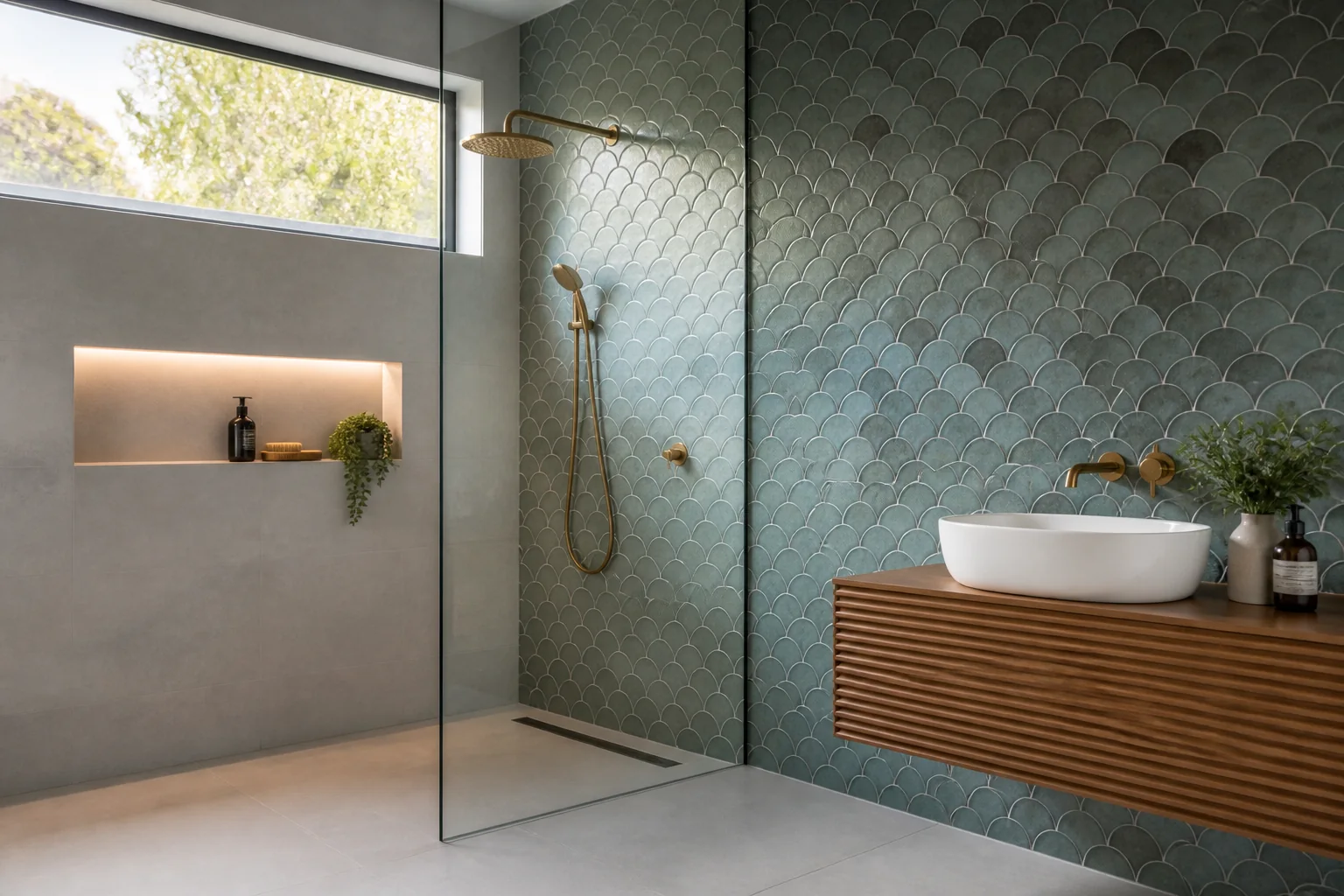
Plan decorative bathroom tiles around one focal wall, waterproofing, grout, edges, cleaning and the finished fixture layout before ordering.
2026-09-08

Evaluate SCG products Australia for Australian projects by checking intended use, product evidence, dimensions, installation, maintenance, delivery and suppli.
2026-09-12
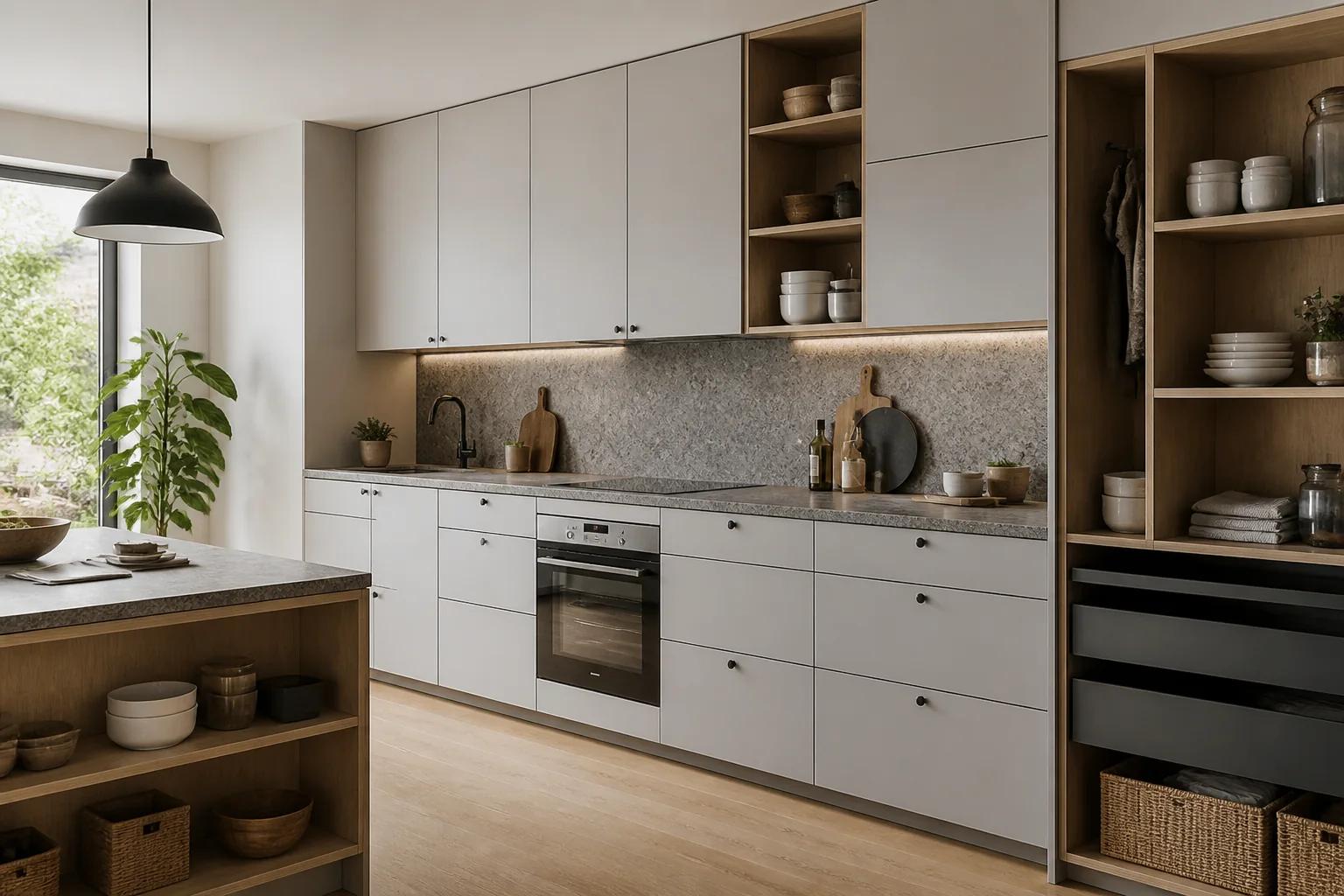
Evaluate IKEA products Australia for Australian projects by checking intended use, product evidence, dimensions, installation, maintenance, delivery and suppl.
2026-09-16
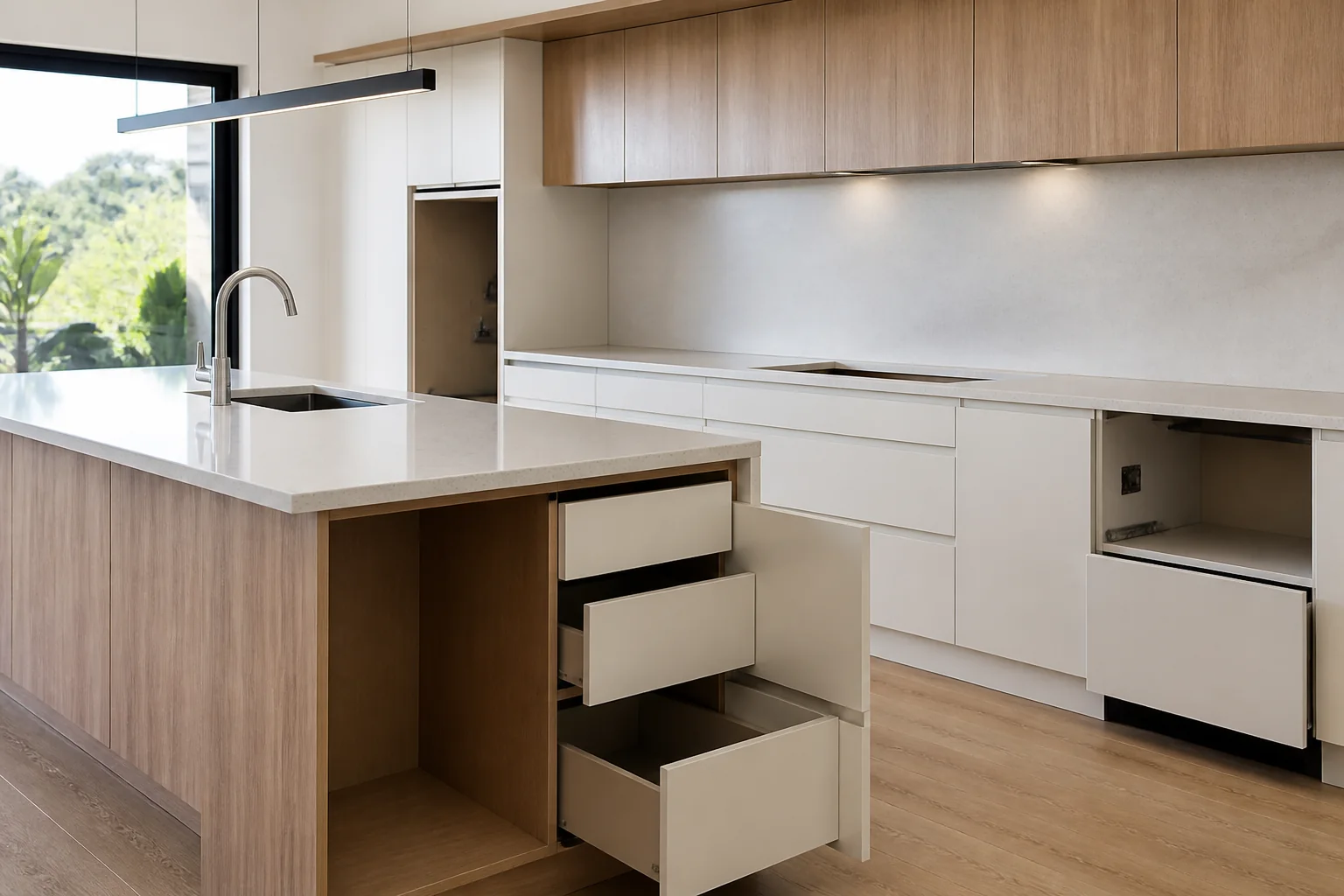
Evaluate Starmark products Australia for Australian projects by checking intended use, product evidence, dimensions, installation, maintenance, delivery and s.
2026-09-20