A one-stop renovation materials package can coordinate product selection, manufacturing and delivery, but it does not automatically include local building work, approvals or installation. Before comparing packages for an Australian home, ask for a product schedule, an inclusion-and-exclusion list, the required project documentation and a responsibility matrix. The practical value comes from coordinated interfaces and clear ownership, not from the phrase “one stop” itself.

A defined package might coordinate windows and doors, kitchen or wardrobe cabinetry, surfaces, flooring, fixtures and related accessories. The actual categories depend on the supplier and project. Ask which components are manufactured directly, sourced from others or excluded, and which party is responsible for checking the complete combination.
Forge’s published contact information describes a China-based custom building materials manufacturer supporting Australian enquiries. This identifies the business role; it does not establish a local construction contract, an Australian builder licence or automatic suitability of every proposed product.
A coordinated package should explain where the product list ends. For example, a window supply scope might include a particular frame, glass and hardware configuration, while the opening preparation, flashing interface and installation remain with the local project team. Record those boundaries for the actual system rather than borrowing them from another supplier’s arrangement.
| Package component | Ask the supplier | Ask the local team |
|---|---|---|
| Windows and external doors | Which configuration, hardware and supporting evidence are supplied? | How is the system suited to the opening and project requirements? |
| Cabinetry | Which drawings, finishes, fittings and accessories control production? | Are measurements, equipment, services and fixings coordinated? |
| Surfaces and tiles | What format, finish, quantity and care information are included? | Are substrate, installation and adjoining systems suitable? |
| Fixtures and equipment | Which exact models and required product documents are provided? | Can the selected items be connected and installed as required? |
| Delivery and support | What transport, packing, damage and replacement terms apply? | Is access, unloading, storage and installation readiness confirmed? |
Responsibility is easiest to understand at a junction. Consider a custom kitchen cabinet beside a glazed door. Someone must coordinate the finished floor, door swing or sliding operation, cabinetry depth and any accessible service point. A supplier may review its own fabrication drawing without controlling the entire room layout.
Use a responsibility matrix with four practical roles: provide information, review suitability, approve the selection and perform the work. The same person may undertake several roles, but none should be left as an assumption. Agree who resolves a conflict before either item is manufactured.
The Australian Building Codes Board’s building product responsibility guidance explains that people sourcing construction products need to understand conformity and obtain appropriate evidence. For the project, ask the responsible professional what evidence is relevant to the selected product and intended use.

No. One invoice can simplify administration while leaving design and installation questions unresolved. Ask to see the coordinated schedule, drawing revision and outstanding issue list. The evidence of coordination is that critical interfaces have been reviewed and responsibility assigned, not that every item has the same purchase reference.
Similarly, a matched colour palette does not establish technical compatibility. The structural, moisture, service, fixing and maintenance requirements can differ across products that look consistent. Keep visual selections and technical acceptance as related but separate decisions.
Start with exact identification: product reference, configuration, dimensions, materials and the intended application. Request the documentation the local team requires to evaluate that application, together with installation and care information. The appropriate evidence depends on the product and compliance pathway; there is no single certificate that automatically approves every component of a house.
The ABCB’s NCC assessment-method guidance describes documentary evidence as one way of supporting suitability. Review the scope and limitations of a report or certificate. A document for a different model, size, composition or use should not be treated as a match without professional confirmation.
Keep the accepted documentation with the approved drawing revision. If the supplier substitutes a component, ask whether the original evidence still applies and whether the local team must review the change. An equivalent appearance is not evidence of equivalent performance.
Send a structured brief rather than an unsorted collection of screenshots. Include the project location, property type, drawings, dimensions, quantities, finish references, intended programme and the supporting documentation requirements. Mark preliminary measurements and decisions explicitly so they are not mistaken for production instructions.
For cabinetry-specific questions, see the kitchen counters and cabinets guide. For the building-wide context, the paired full home renovation guide explains how supply decisions fit into the wider project sequence.
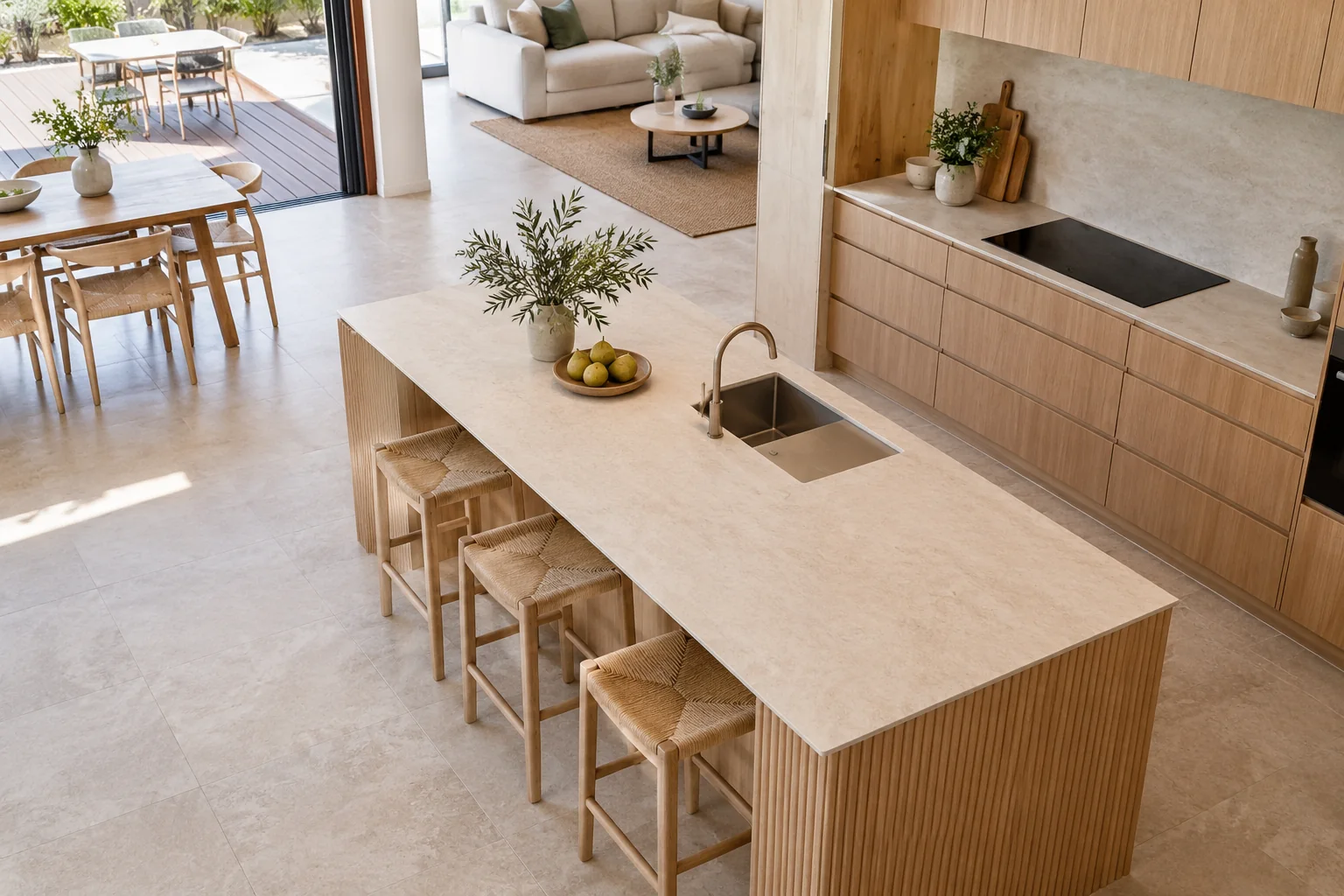
No. A package may cover several product categories while a turnkey construction arrangement may include much broader work. The written scope and the provider’s actual role determine the difference. Confirm local building, design, approval and installation responsibilities separately before comparing offers.
A manufacturer can provide product information and evidence within its supply role. Project approval, design suitability and licensed work involve the relevant Australian authorities and responsible professionals. Do not treat a general supplier statement as approval of the entire renovation.
No. Renders are useful for discussing appearance, but fabrication and installation require the agreed drawings, dimensions, specification and interface information. Check product references and supporting documents, then record the approved revision and the process for any subsequent change.
The agreed delivery and support terms should explain inspection, reporting, responsibility and replacement. Clarify this before dispatch, including the programme effect if a component cannot be installed. A single point of contact is useful only when the practical process is documented.
Send the product schedule, drawings, quantities, finishes, destination and required dates, together with the documentation your local team needs. Ask Forge to identify its exact supply and delivery scope and any information still required before manufacturing can be released.
A useful one-stop materials package makes product decisions and responsibilities easier to coordinate. Compare defined schedules and interfaces rather than the slogan. Send Forge a structured enquiry and involve the local project team in reviewing suitability and installation responsibilities.

Plan hexagon tiles by comparing size, sheet backing, pattern, grout, edge cuts, slip, substrate, installation and cleaning requirements.
2026-09-01
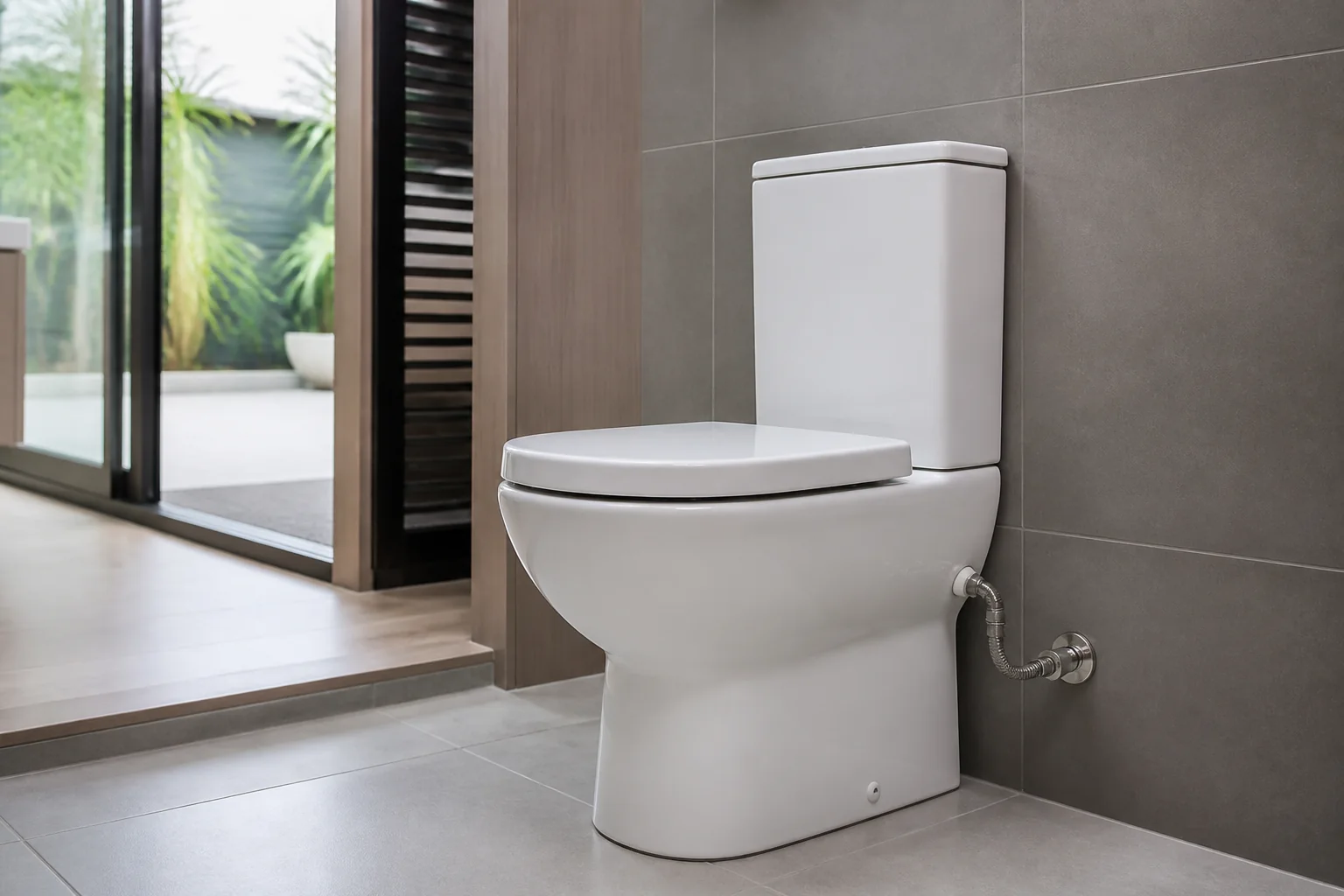
Choose a toilet by checking the pan type, set-out, WELS registration, flush performance, dimensions, access, cleaning and installation scope.
2026-09-05
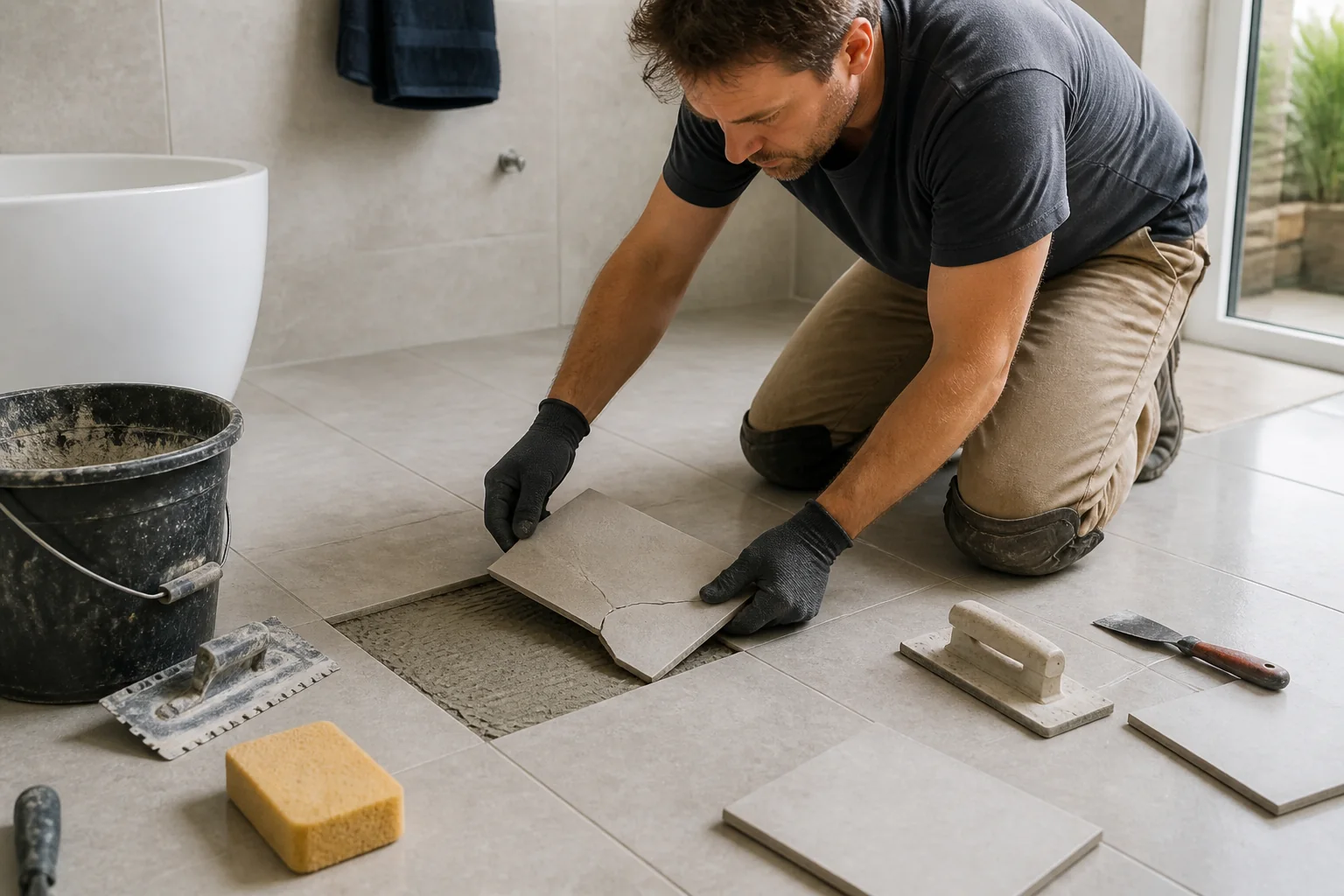
Diagnose tile repairs by separating cracks, loose tiles, leaks, stains, grout and sealant problems, then fix the cause before replacing finishes.
2026-09-09

Evaluate Duragres products Australia for Australian projects by checking intended use, product evidence, dimensions, installation, maintenance, delivery and s.
2026-09-13
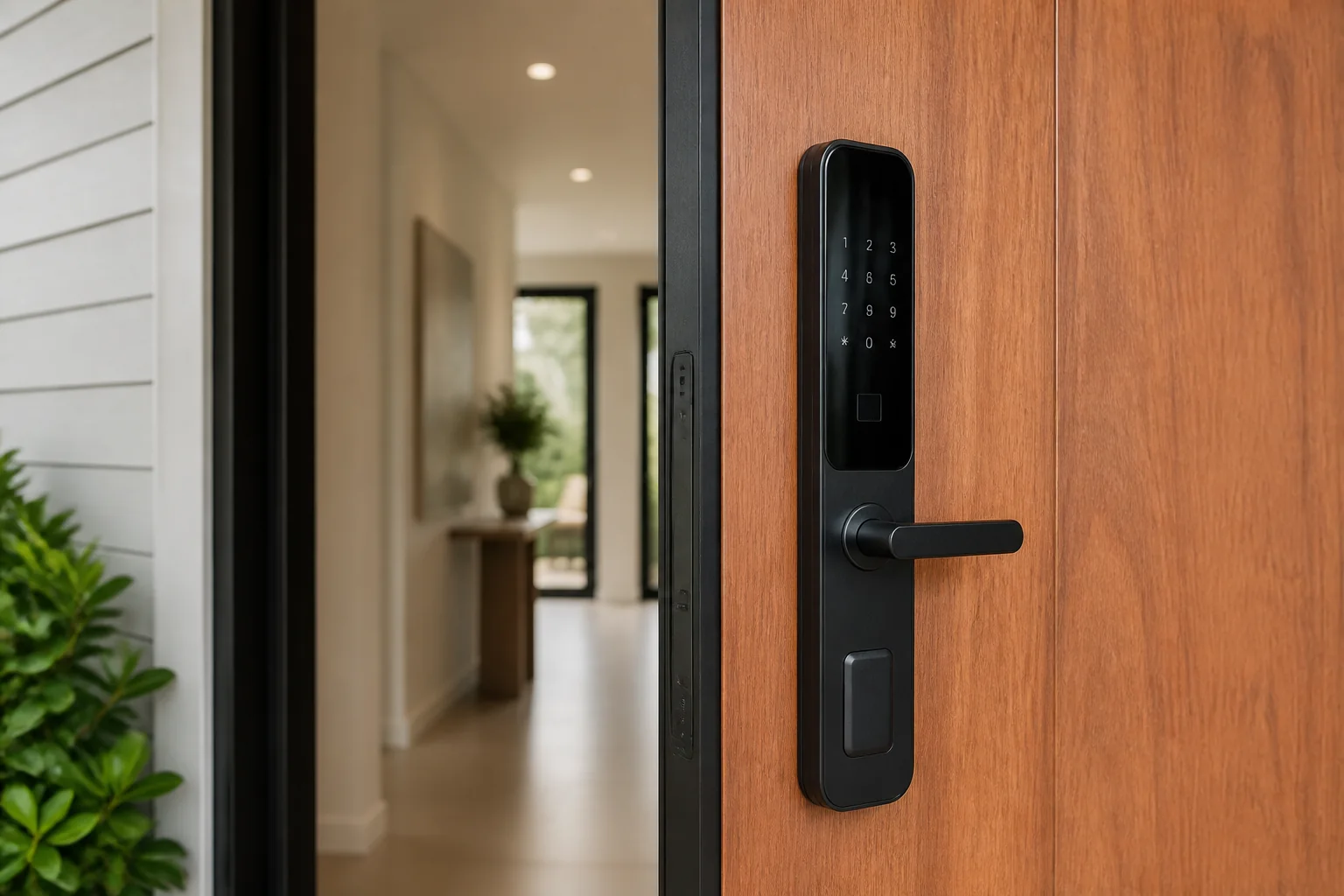
Evaluate Samsung products Australia for Australian projects by checking intended use, product evidence, dimensions, installation, maintenance, delivery and su.
2026-09-17
Evaluate Sosuco products Australia for Australian projects by checking intended use, product evidence, dimensions, installation, maintenance, delivery and sup.
2026-09-21