Good walk-in pantry shelving is sized to the containers, appliances and supplies it holds. Shelves that are too deep hide items; shelves that are too close together waste vertical space. Plan pantry shelving systems and pull-out shelves from the inventory you use, then label zones so shopping and restocking are easier.
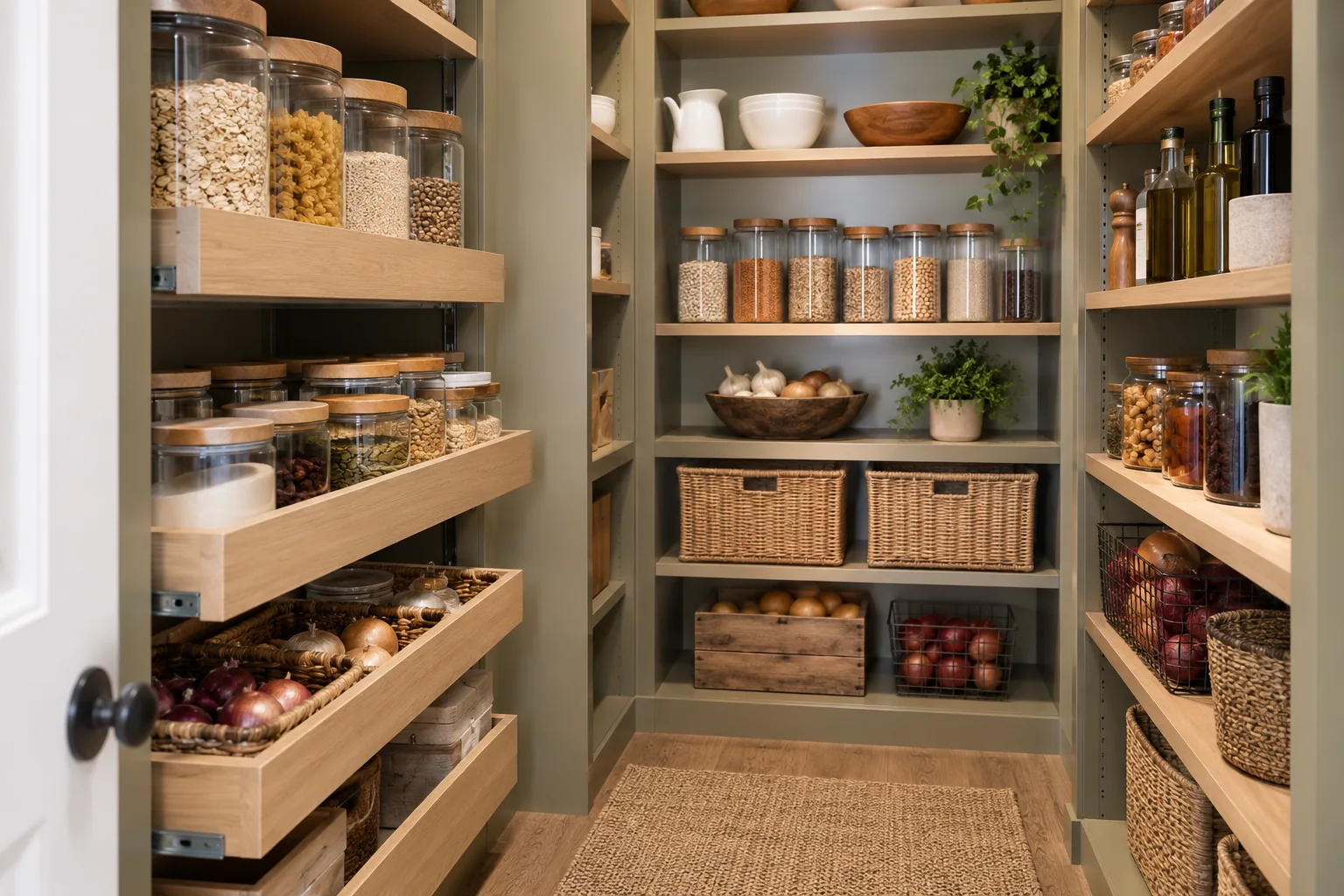
Sort pantry contents into groups: cans, jars, packets, dry goods, baking equipment, appliances and bulk supplies. Measure a typical and the largest item in each group. Record how many you keep and how often you reach for them. This small inventory helps decide whether a shelf, drawer, bin or pull-out will be easiest to use.
Place the most-used items at a comfortable reach and the heaviest items on a stable shelf that can be reached without stretching. Keep rarely used serving pieces separate from everyday food. Use containers only when they improve visibility or protect the contents. Decanting every food item can introduce extra work and may remove useful date and allergen information from original packaging.
| System | Useful for | Confirm |
|---|---|---|
| Fixed open shelf | Visible jars, packets and baskets | Depth, load rating and access to the back |
| Adjustable shelf | Changing container heights over time | Adjustment method and allowable load |
| Pull-out tray or drawer | Deep cabinets and hard-to-reach items | Runner rating, full extension and door clearance |
| Vertical divider | Trays, baking sheets and chopping boards | Item height and divider spacing |
| Door-mounted organiser | Small lightweight packets or wraps | Door thickness, hinge load and collision risk |
For can pantry organization, group cans by food type and arrange them so labels remain visible. Put older cans at the front when restocking and avoid stacking higher than the shelf or organiser is designed to support. A simple first-in, first-out routine can help households use earlier purchases before newer ones. Keep food in its original container unless you can preserve the label and storage instructions.
For packets and small jars, shallow trays can stop items falling behind larger containers. A pantry with pull-out shelves can make the back easier to inspect, but the hardware must suit the loaded weight. Do not overload a door rack or runner based on appearance: check the manufacturer’s stated capacity.
Leave enough space to wipe shelf surfaces and reach corners. Store spills in a tray or sealed container, and inspect open goods for signs of moisture or pests. Check food packaging for its storage directions. If a pantry appliance produces heat, follow the appliance manufacturer’s ventilation requirements and do not store heat-sensitive goods next to it.
Bunnings Australia’s pantry organisation guide discusses planning around cooking habits and avoiding hard-to-use storage. When specifying joinery, compare the actual Kitchen & Wardrobe cabinetry dimensions and hardware ratings.
They can be useful when a fixed shelf would hide items at the back or require awkward reaching. Compare the runner rating, opening width, full-extension travel and cost with the stored load. For shallow shelves or light items, a fixed adjustable shelf may be simpler and easier to maintain.
Group cans by type, keep labels visible and rotate older stock to the front when adding groceries. Use a stable shelf or organiser rated for the load. Avoid deep rows that hide cans behind one another, and follow the food manufacturer’s storage instructions after opening.
Measure the actual containers, packets and appliances you intend to store, then allow enough room to lift each item out. Adjustable shelving gives flexibility if the inventory changes. Ask the cabinetmaker for the usable internal dimensions, since the outside cabinet size does not equal the shelf space.
Pantry shelving systems work best when their depths, loads and access match household supplies. Inventory the contents, compare fixed and pull-out options, and keep items visible. A labelled layout also makes it easier to restock and reduce forgotten food.
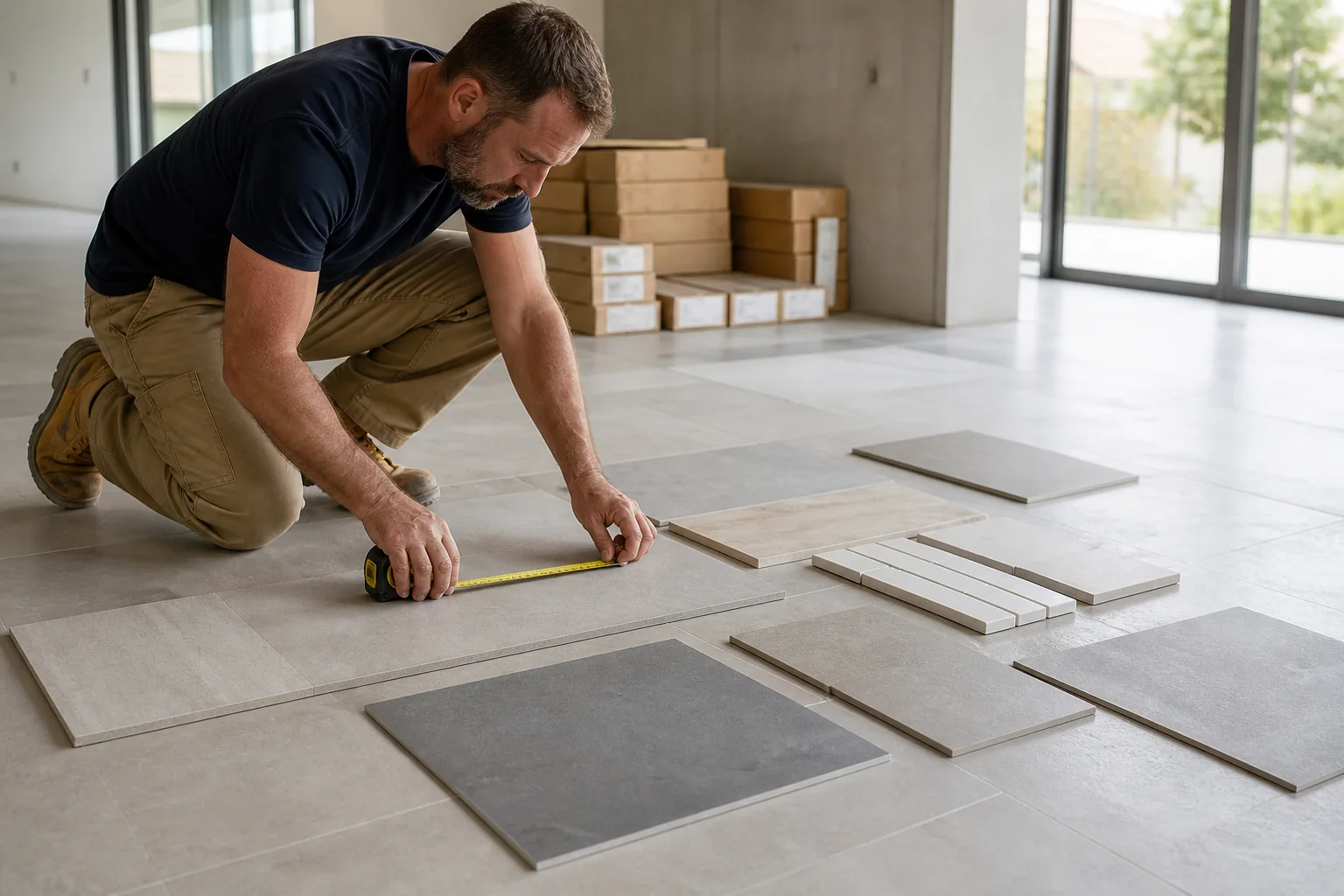
Calculate tile area, carton coverage, waste and spare quantities, then compare common tile sizes, layouts, cuts, grout joints and delivery constraints.
2026-08-30
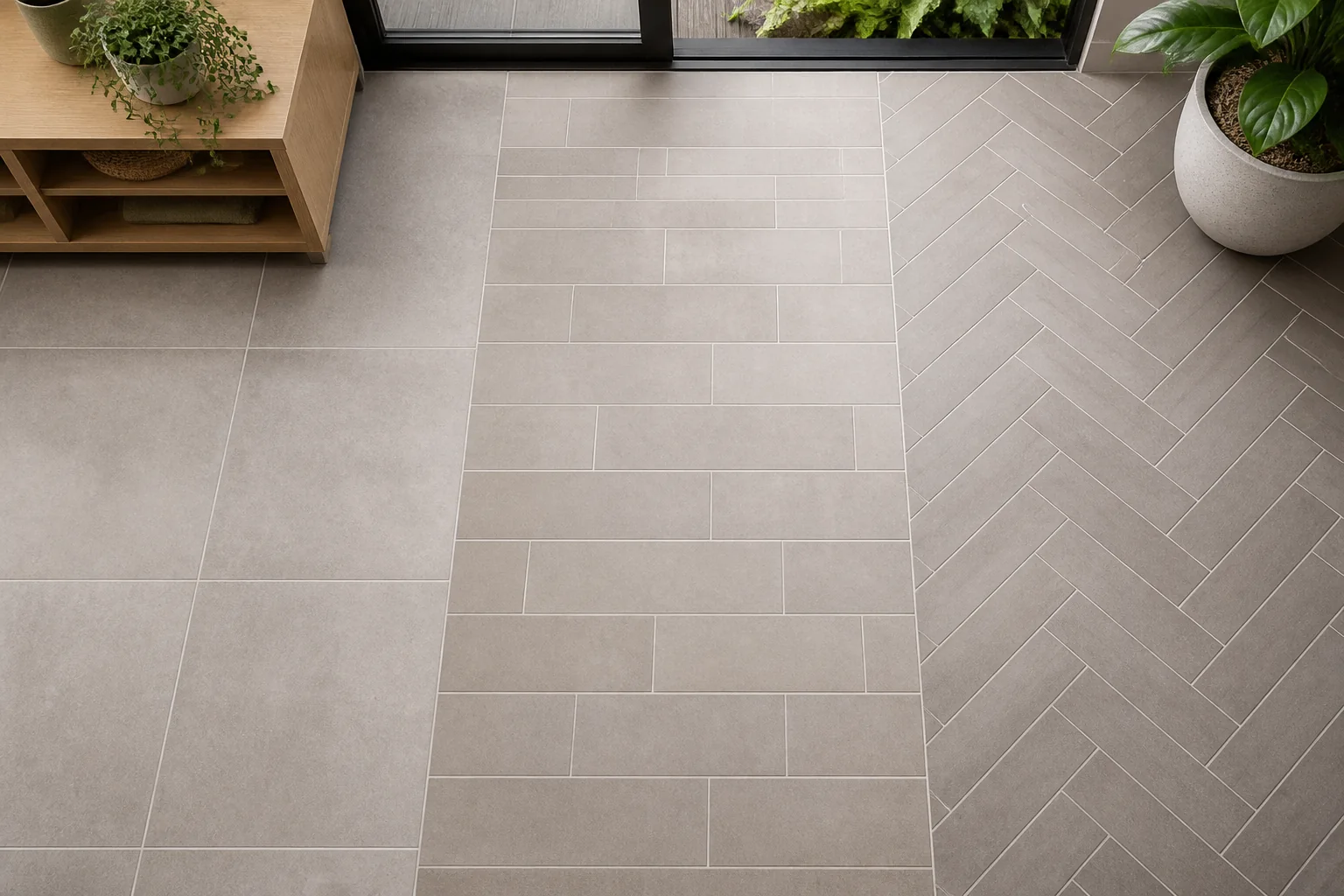
Compare tile layout patterns by room geometry, module, direction, grout, cuts, waste, movement joints, installation time and visual balance.
2026-09-03

Choose roof tiles by comparing material, colour, pitch, weight, flashing, drainage, weather exposure and replacement responsibilities.
2026-09-07
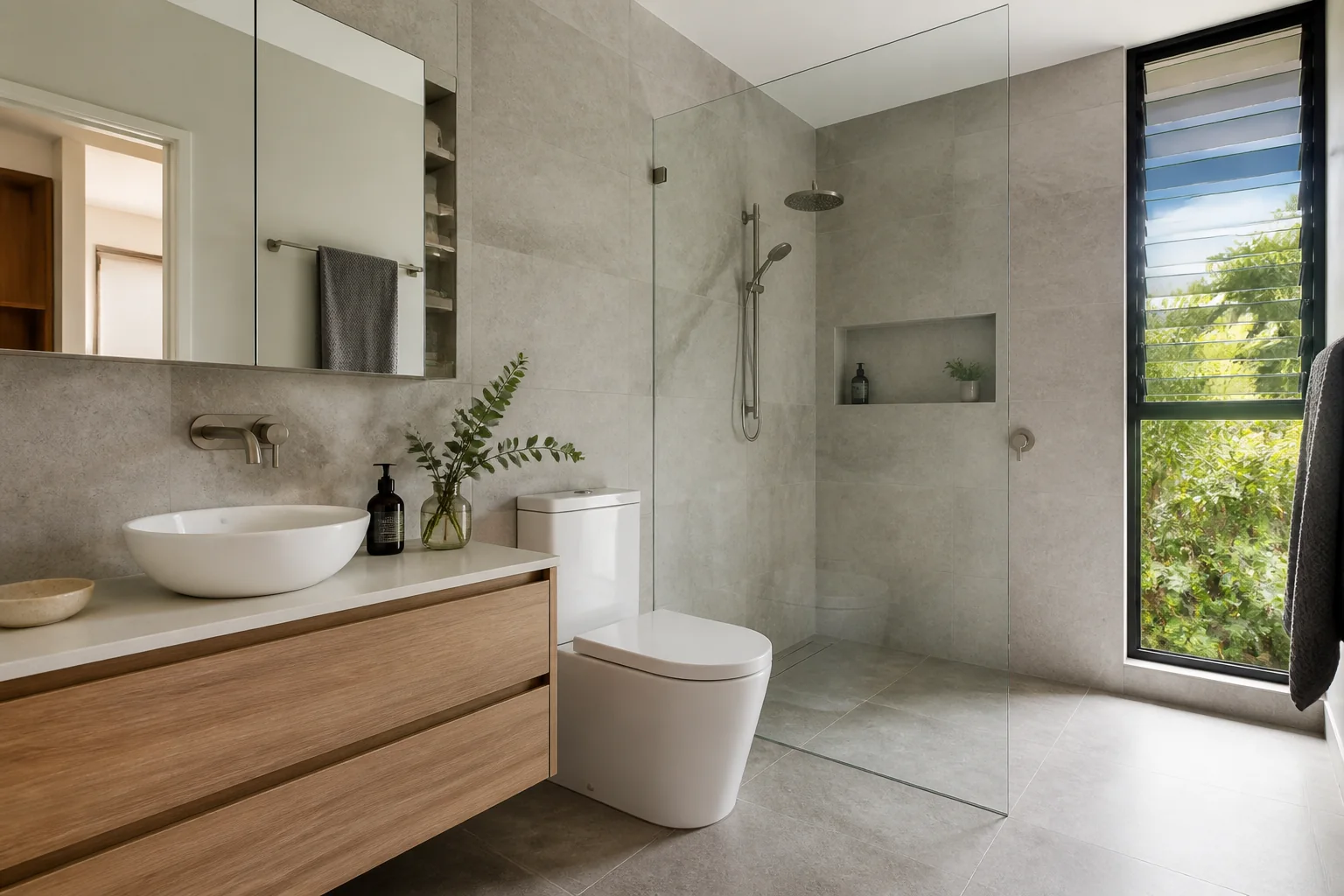
Evaluate Englefield products Australia for Australian projects by checking intended use, product evidence, dimensions, installation, maintenance, delivery and.
2026-09-11
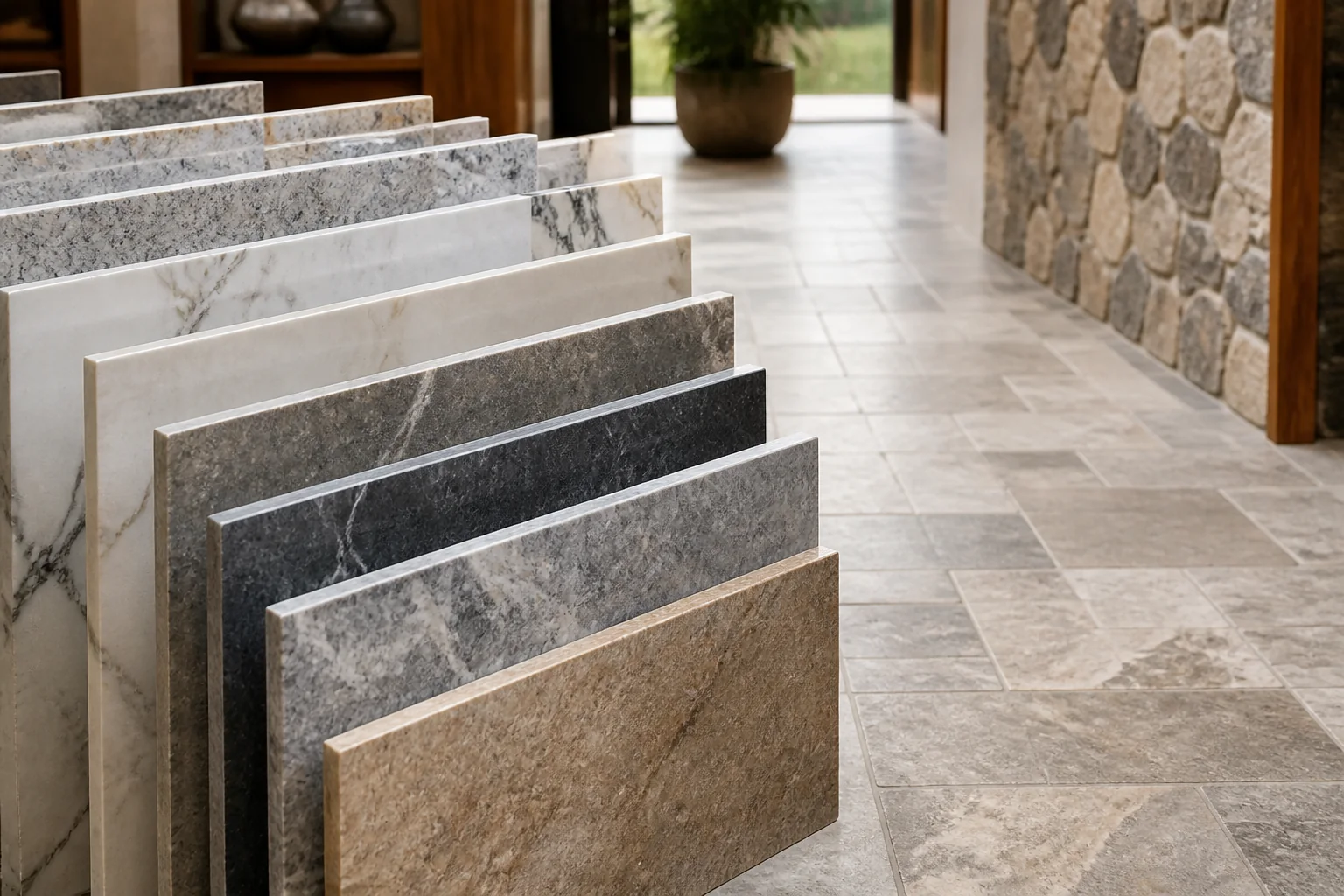
Evaluate granite, marble and stone tiles patterns, colours and design guide for Australian projects by checking intended use, product evidence, dimensions, in.
2026-09-15
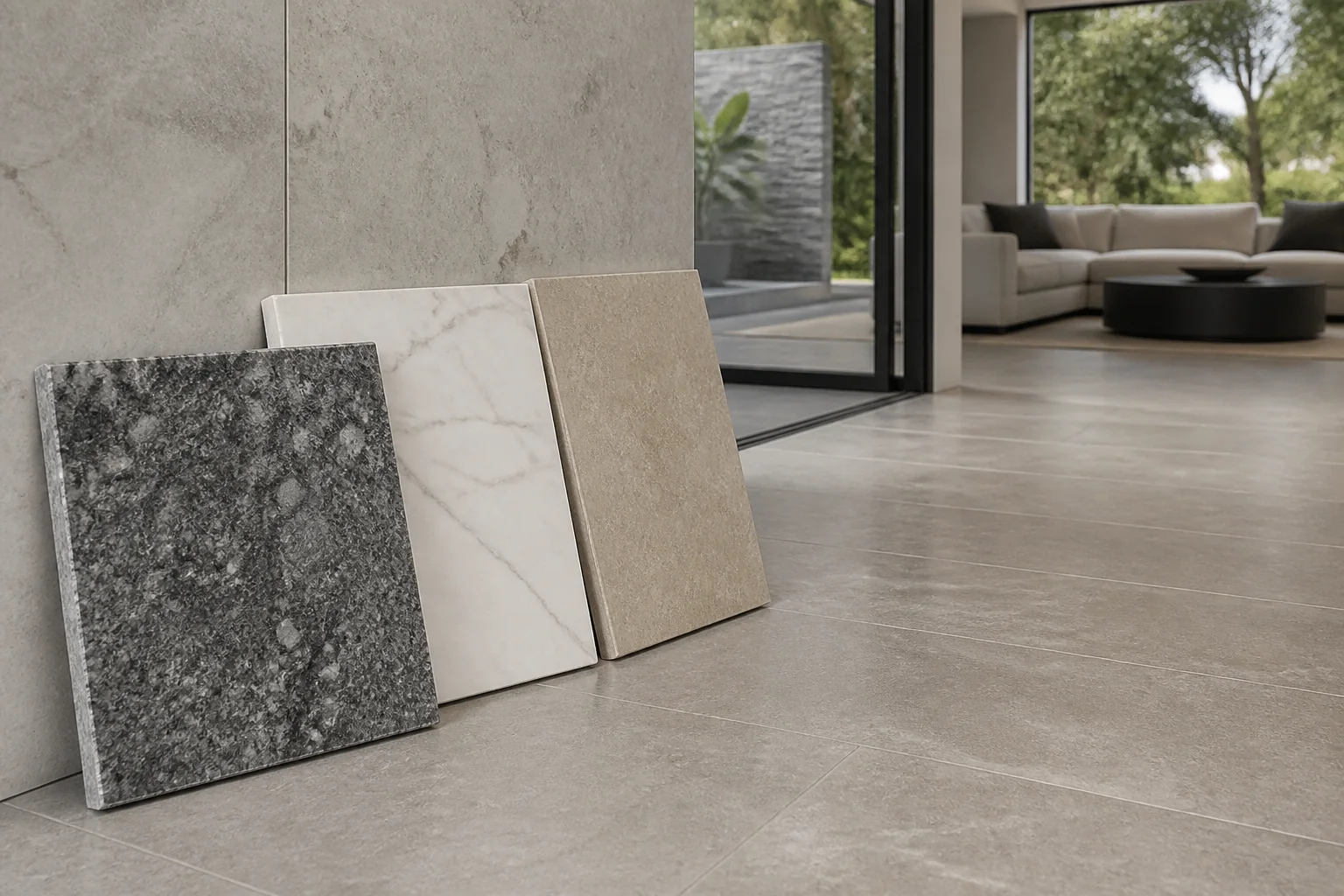
Evaluate granite, marble and stone tiles australian selection guide for Australian projects by checking intended use, product evidence, dimensions, installati.
2026-09-19