Direct answer: This article targets the Soundproof window search intent. The decision depends on the complete system, glass, frame, seals, size, installation conditions, maintenance route and Australian evidence for the exact project.
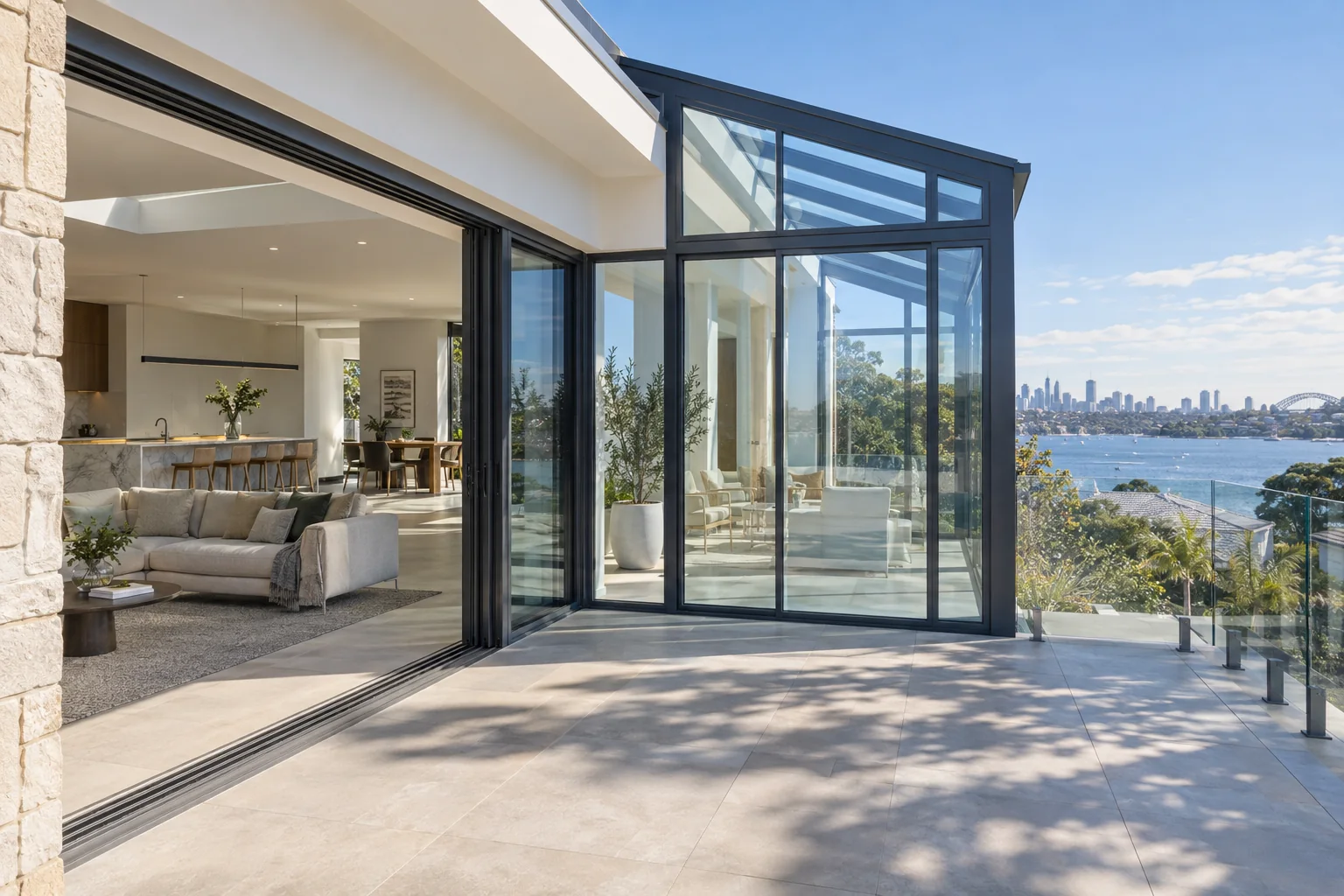
This keyword group contains three different problems. A soundproof window is about noise transmission. An energy-saving thermal window is about heat flow and solar gain. An anti-burglary or blast-resistant window is about a defined threat and tested assembly. A single marketing label cannot answer all three questions.
Start with the noise source, direction and frequency. Ask for the tested rating and test configuration for the complete window, not a glass-only result. Review frame joints, perimeter seals, wall construction, vents and service penetrations. A laminated interlayer may help in some acoustic situations, but the result depends on the full build-up and installation.
YourHome explains U value as a measure of heat conduction through the whole window and SHGC as a measure of solar heat gain. Compare the complete frame and glass combination, orientation, shading and climate. A low U value does not remove the need to manage summer sun, and a high solar gain value is not automatically suitable for every elevation.
Security should be written as a threat and use case: opportunistic entry, forced attack, falling impact, privacy, controlled access or a blast-related design requirement. Confirm the frame, lock, hinges, laminated or other glazing, screen, fixings and surrounding wall. The phrase “blast-resistant” is not meaningful without a defined test scope and project engineering advice.
| Performance intent | Ask for | Do not assume |
|---|---|---|
| Noise control | Tested assembly result and installation assumptions | Double glazing alone solves every noise problem |
| Energy | Whole-window U value, SHGC and relevant rating pathway | Glass data equals window data |
| Security | Defined test scope, locks, fixings and emergency use | A heavy frame is a security rating |
| Security screen | Material, mesh, fasteners, escape and corrosion details | A screen replaces the whole door security design |
Send Forge the target room, elevation, noise source, climate or orientation, security concern, opening size, glass preference, frame finish and required documents. Forge’s public project information says Australian enquiries are reviewed against dimensions, quantities, destination, timing and required documentation. Add the performance evidence you need at enquiry stage so it is not discovered after production.
| Parameter | Record | Why it matters |
|---|---|---|
| Structure and size | glass build-up, U value, SHGC, acoustic evidence, locks, screens, fixings and defined threat scope | Limits weight, movement, drainage, transport and installation access. |
| Glass and seals | Glass build-up, safety treatment, spacer, gaskets, weather seals and perimeter sealant. | Controls comfort, safety, air leakage, water and noise. |
| Site | Location, orientation, climate, wind, rain, coastal exposure, floor level, structure and waterproofing. | The same nominal product can require different project details. |
| Documents | Drawings, test scope, installation assumptions, warranty, exclusions and maintenance instructions. | Prevents marketing language being mistaken for approval evidence. |
Prepare the wall interface; install the frame and seals; fit the specified glass, locks and screens; close perimeter gaps; confirm that the tested assembly has not been changed.
Record condensation, rattling, air leakage, lock alignment and screen damage. Check seals and hardware before claiming a glass or frame performance failure.
Forge publishes enquiry, drawing or measurement review, design, confirmation, production, shipping and installation guidance, plus a 5-year global warranty statement. Confirm the exact product, warranty scope, exclusions, delivery and local installation responsibility in writing. Forge information does not replace Australian building approval.
References: NCC, YourHome, Energy.gov.au, TOSTEM, LIXIL catalogue and TISI. These are reference examples only, not proof of Australian compliance or Forge equivalence.
No. It may improve sound reduction, but glass build-up, frame, seals, wall construction and installation all influence the result.
Ask for whole-window thermal data, the relevant rating pathway, glass and frame details, orientation assumptions and installation requirements.
A security claim should be tied to the exact system and test scope. Provide the threat, opening and required evidence before asking for confirmation.
This guide is for planning and comparison. It is not an engineering certificate, product test report, building approval or warranty document. Verify the exact Forge configuration and current Australian requirements before ordering.
Send the location, drawings or measurements, quantities, finish, performance priority and target schedule through the Forge contact page.
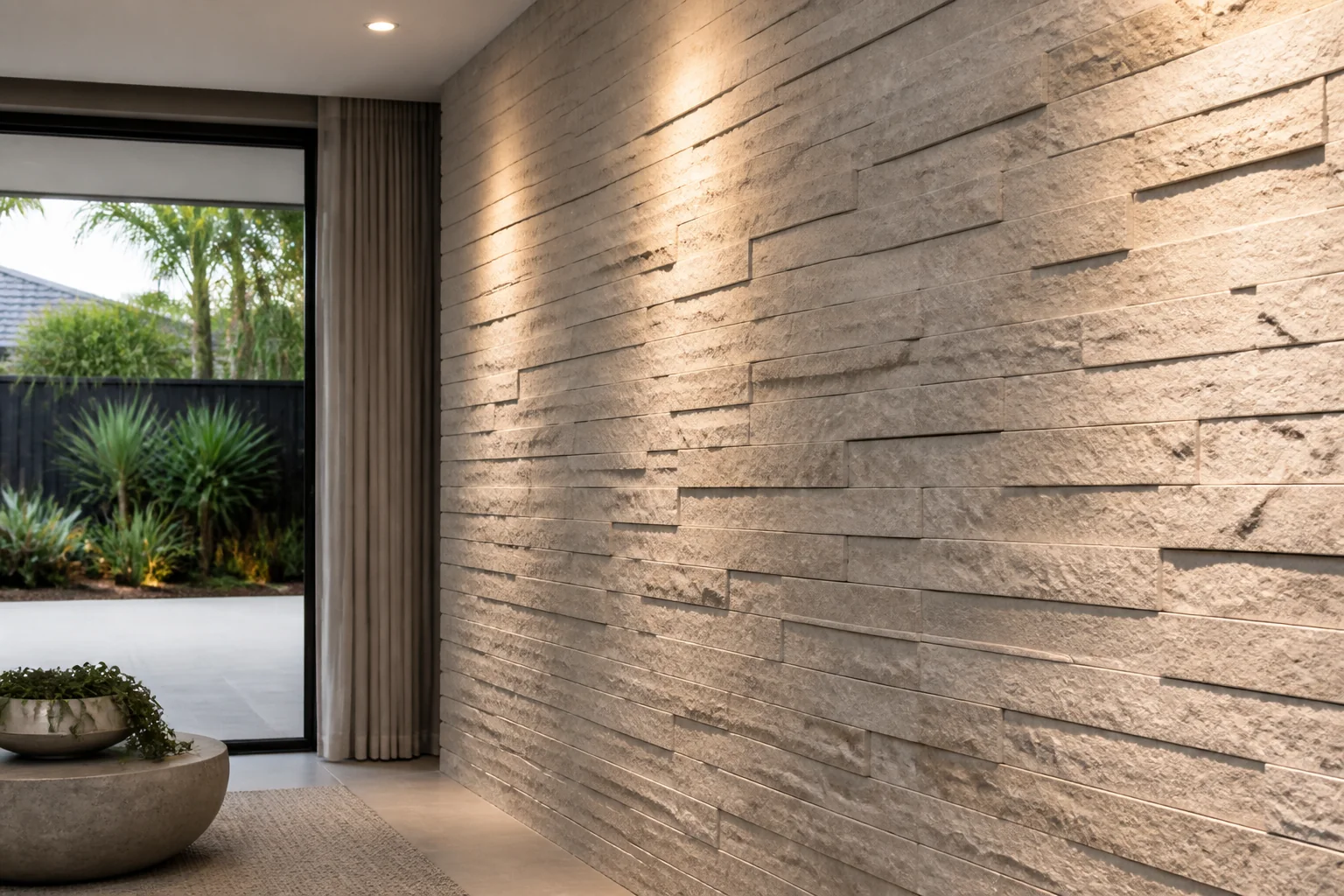
Compare stone-look wall tiles by material, relief, weight, joints, corners, substrate, lighting, cleaning and installation requirements.
2026-08-31
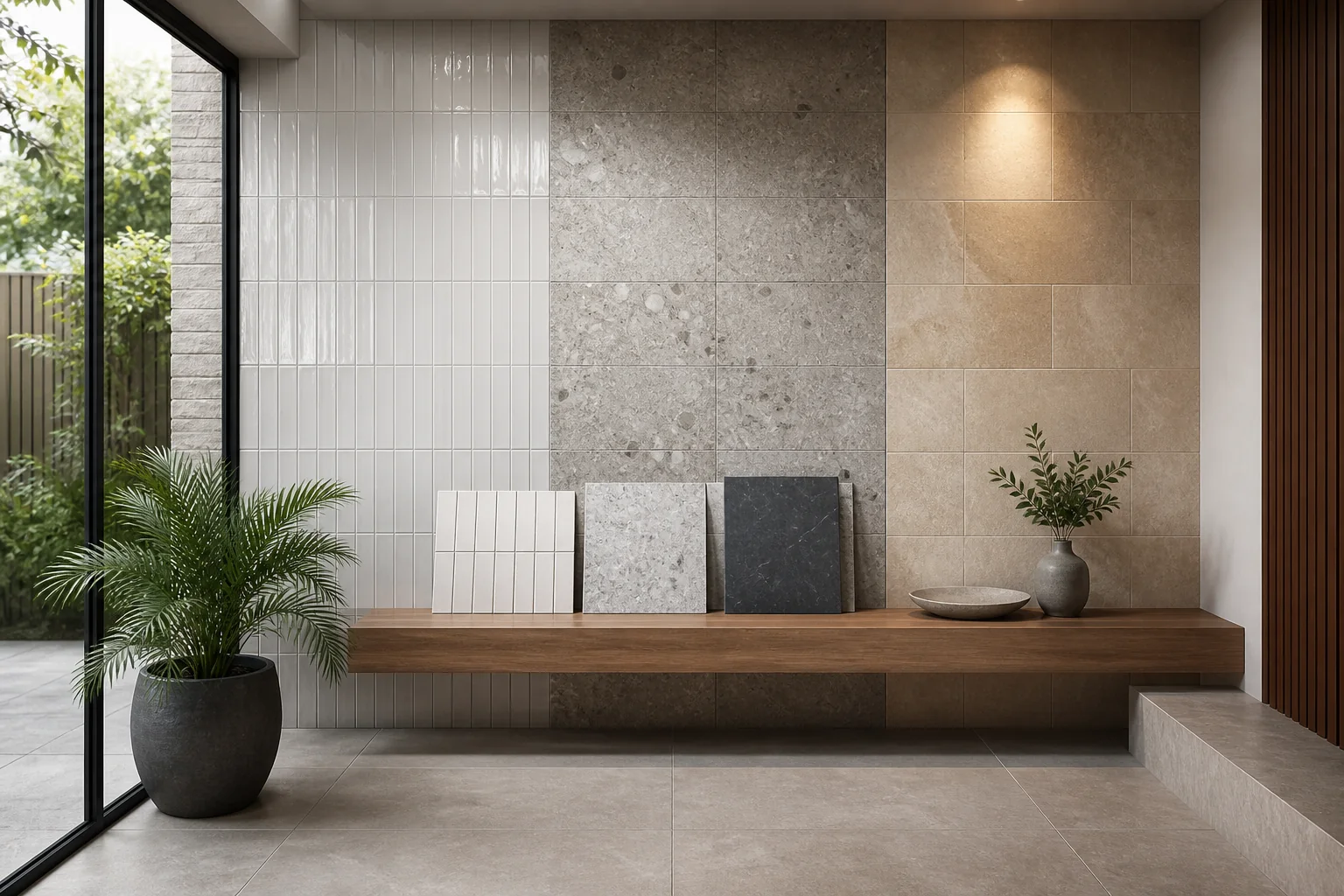
Choose wall tiles by comparing room exposure, material, weight, format, substrate, layout, grout, edges, cleaning and installation requirements.
2026-09-04
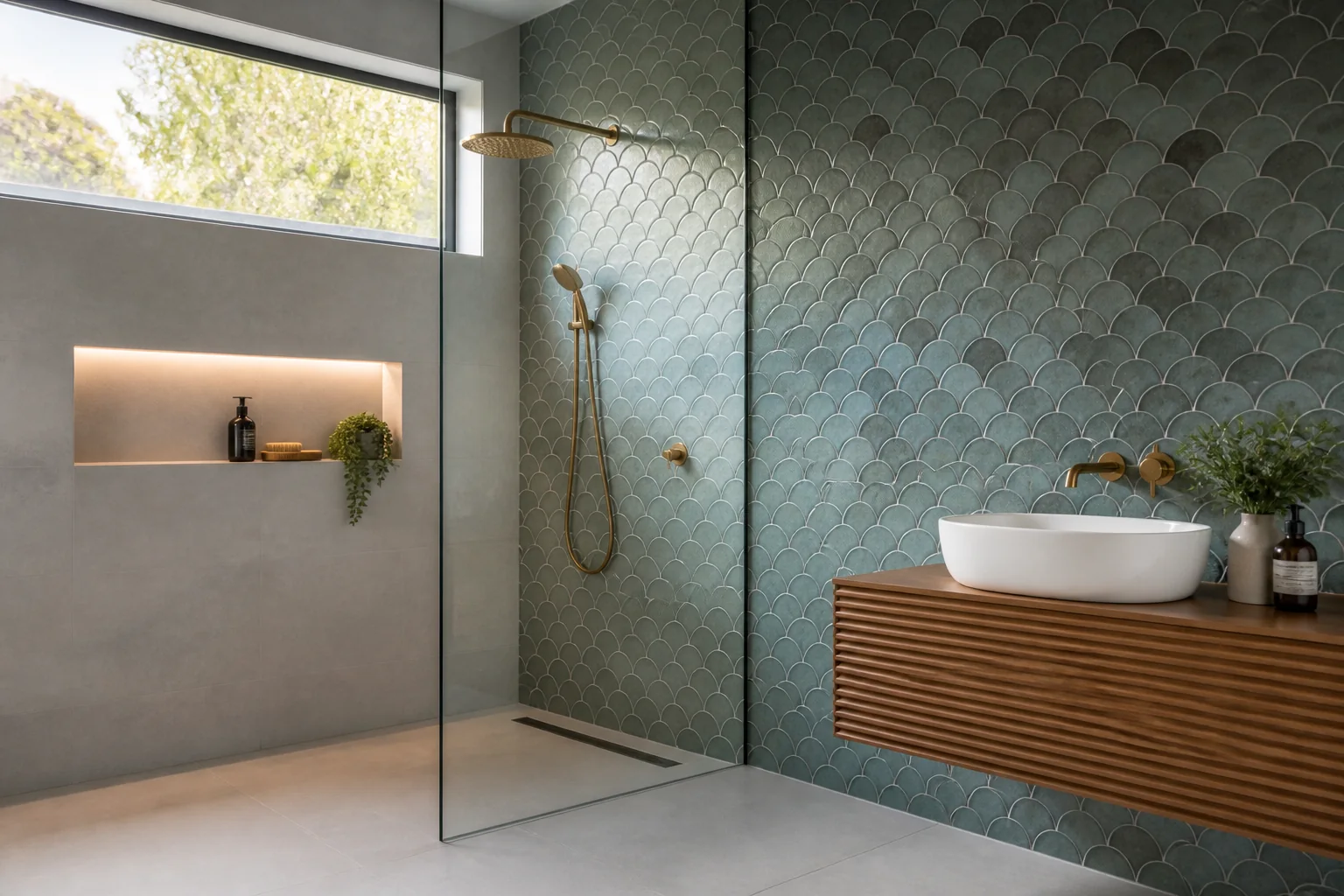
Plan decorative bathroom tiles around one focal wall, waterproofing, grout, edges, cleaning and the finished fixture layout before ordering.
2026-09-08

Evaluate SCG products Australia for Australian projects by checking intended use, product evidence, dimensions, installation, maintenance, delivery and suppli.
2026-09-12
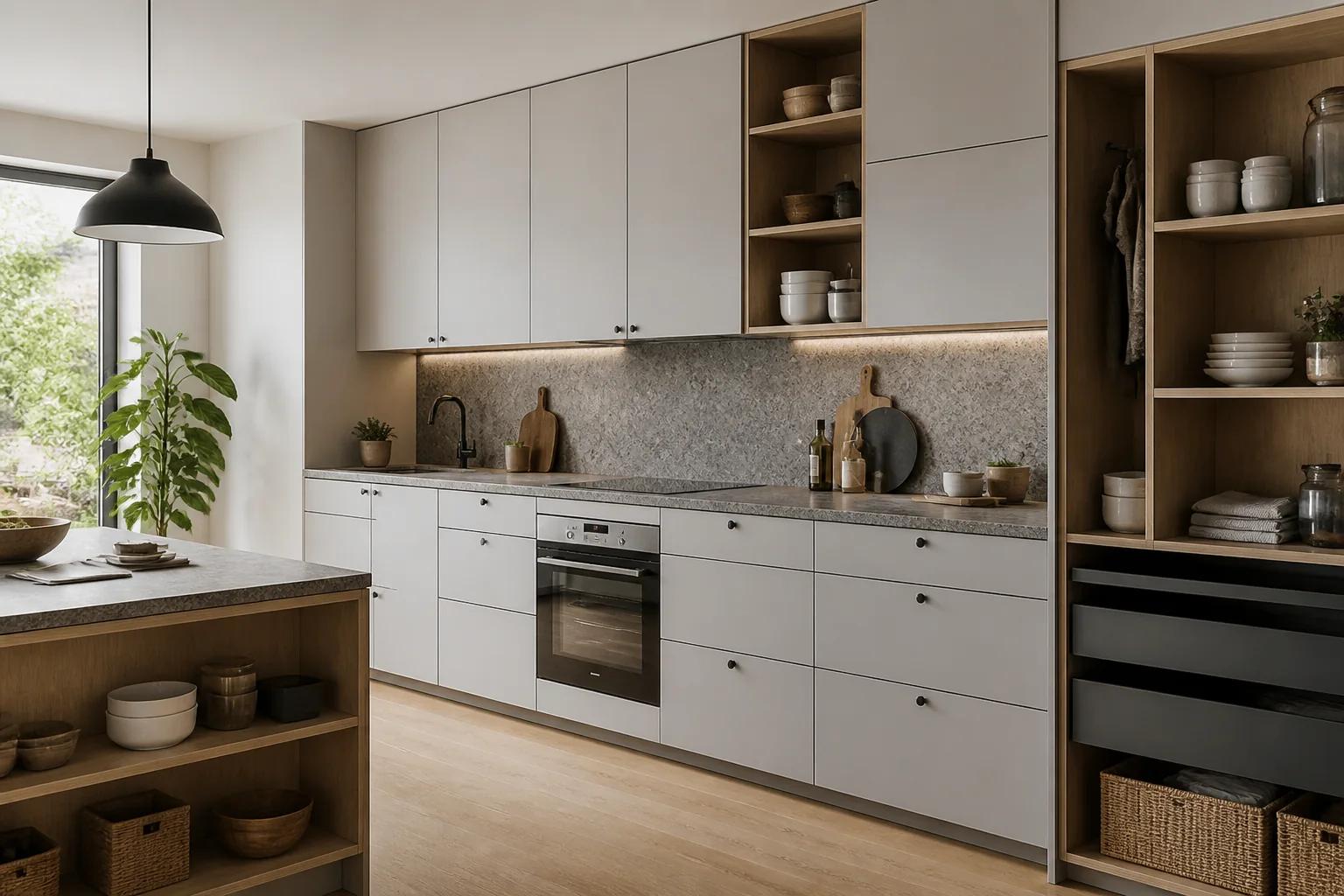
Evaluate IKEA products Australia for Australian projects by checking intended use, product evidence, dimensions, installation, maintenance, delivery and suppl.
2026-09-16
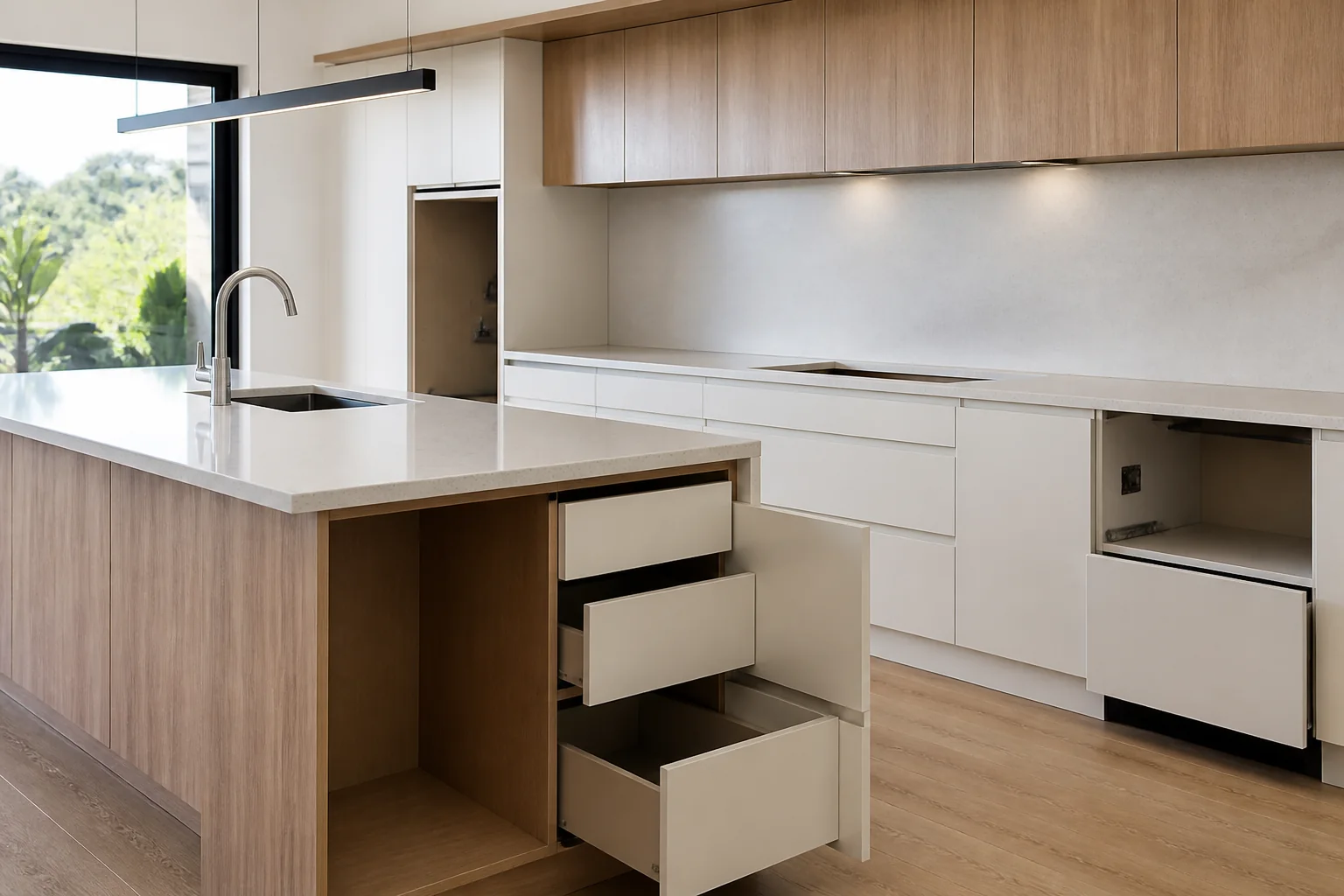
Evaluate Starmark products Australia for Australian projects by checking intended use, product evidence, dimensions, installation, maintenance, delivery and s.
2026-09-20