Direct answer: This article targets the Basic package search intent. The decision depends on the complete system, glass, frame, seals, size, installation conditions, maintenance route and Australian evidence for the exact project.
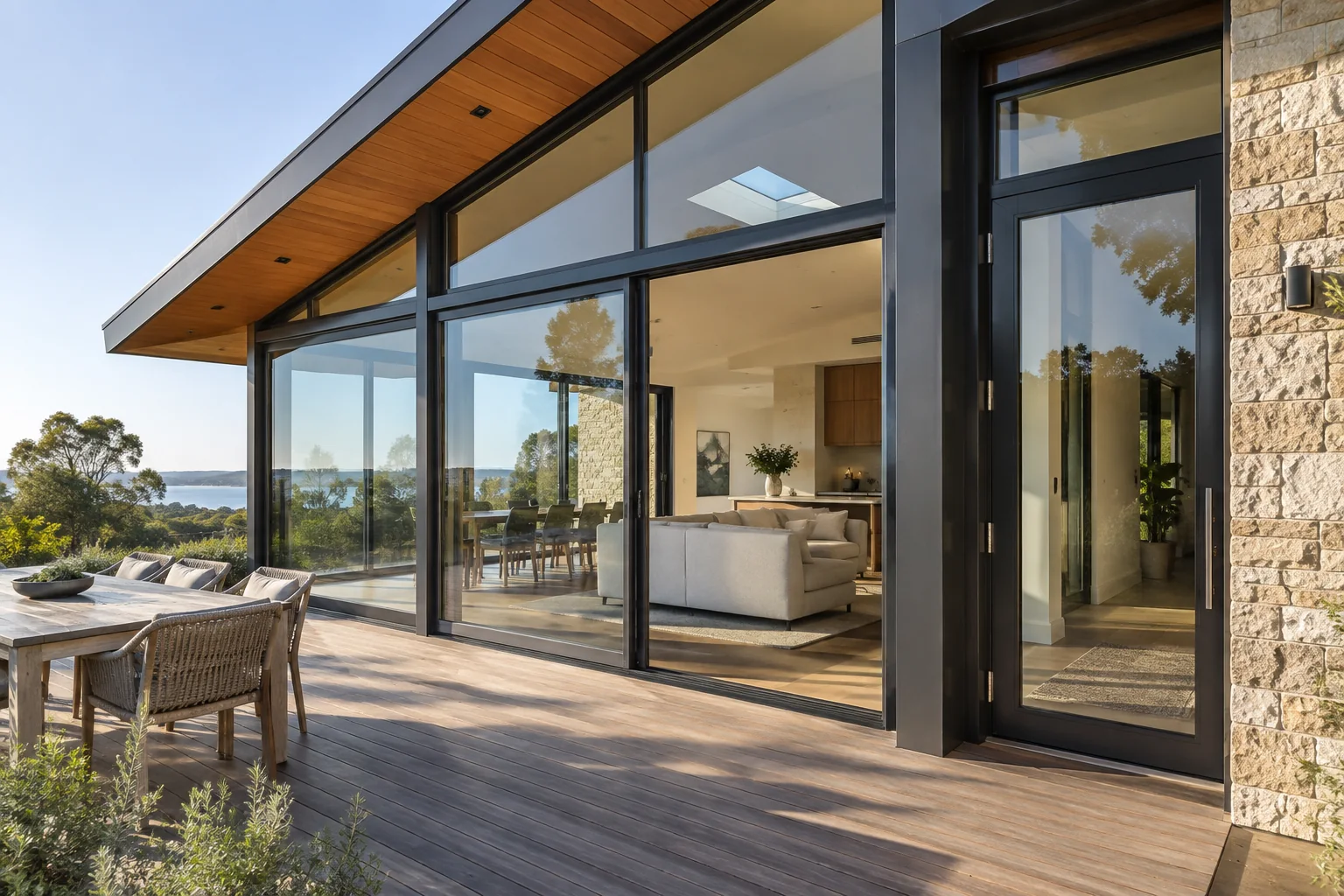
A package search usually means the buyer wants to know what is included, whether the package is genuinely comparable, and how much scope remains outside the advertised package. Basic, soundproof, energy-saving and passive-house packages should be treated as written specifications, not as universal product grades.
| Package | Typical decision purpose | Must be defined | Common omission |
|---|---|---|---|
| Basic | Functional windows and doors for a clear brief | Frame, glass, hardware, finish and installation scope | Flashings, screens, trims and local labour |
| Soundproof | Reduce a defined external noise problem | Noise source, test result and perimeter treatment | Wall, vent and installation paths |
| Energy-saving | Manage heat flow and solar gain | U value, SHGC, orientation, shading and rating pathway | Whole-home energy interactions |
| Passive-house related | Meet a project-specific performance brief | Whole-building modelling, certified components and airtightness | Assuming a label alone proves compliance |
Compare product, glass, hardware, screens, shading, packaging, freight, duties, unloading, local installation, electrical work, builder’s work, commissioning, waste removal and after-sales service separately. A lower product price can become a higher project cost when important interfaces are excluded. Ask for a line-by-line scope and record every assumption.
Forge’s public website describes inquiry, design, confirmation and deposit, precision production, shipping and installation guidance. The same site states that it offers professional installation guidance and a 5-year warranty for global customers. Treat these as Forge’s published service statements and confirm the exact window and door warranty, exclusions, claim process and local responsibility in the project quotation.
| Parameter | Record | Why it matters |
|---|---|---|
| Structure and size | frame, glass, hardware, shading, freight, installation, commissioning, warranty and exclusions | Limits weight, movement, drainage, transport and installation access. |
| Glass and seals | Glass build-up, safety treatment, spacer, gaskets, weather seals and perimeter sealant. | Controls comfort, safety, air leakage, water and noise. |
| Site | Location, orientation, climate, wind, rain, coastal exposure, floor level, structure and waterproofing. | The same nominal product can require different project details. |
| Documents | Drawings, test scope, installation assumptions, warranty, exclusions and maintenance instructions. | Prevents marketing language being mistaken for approval evidence. |
Freeze scope; approve drawings and samples; check delivered components; install frames and accessories; complete trade connections; inspect seals and drainage; issue handover records.
Check delivered components against the schedule, photograph damage and retain model, finish, invoice and warranty records. Scope gaps and missing accessories are common procurement failures.
Forge publishes enquiry, drawing or measurement review, design, confirmation, production, shipping and installation guidance, plus a 5-year global warranty statement. Confirm the exact product, warranty scope, exclusions, delivery and local installation responsibility in writing. Forge information does not replace Australian building approval.
References: NCC, YourHome, Energy.gov.au, TOSTEM, LIXIL catalogue and TISI. These are reference examples only, not proof of Australian compliance or Forge equivalence.
The package should differ in documented frame, glazing, shading and performance evidence. The label alone does not define the result.
No. Compliance is a whole-building and project-specific outcome. Confirm modelling, certified components, airtightness and the responsible assessor.
It should show openings, quantities, configuration, glass, hardware, finish, accessories, delivery, installation, exclusions, warranty and approval documents.
This guide is for planning and comparison. It is not an engineering certificate, product test report, building approval or warranty document. Verify the exact Forge configuration and current Australian requirements before ordering.
Send the location, drawings or measurements, quantities, finish, performance priority and target schedule through the Forge contact page.
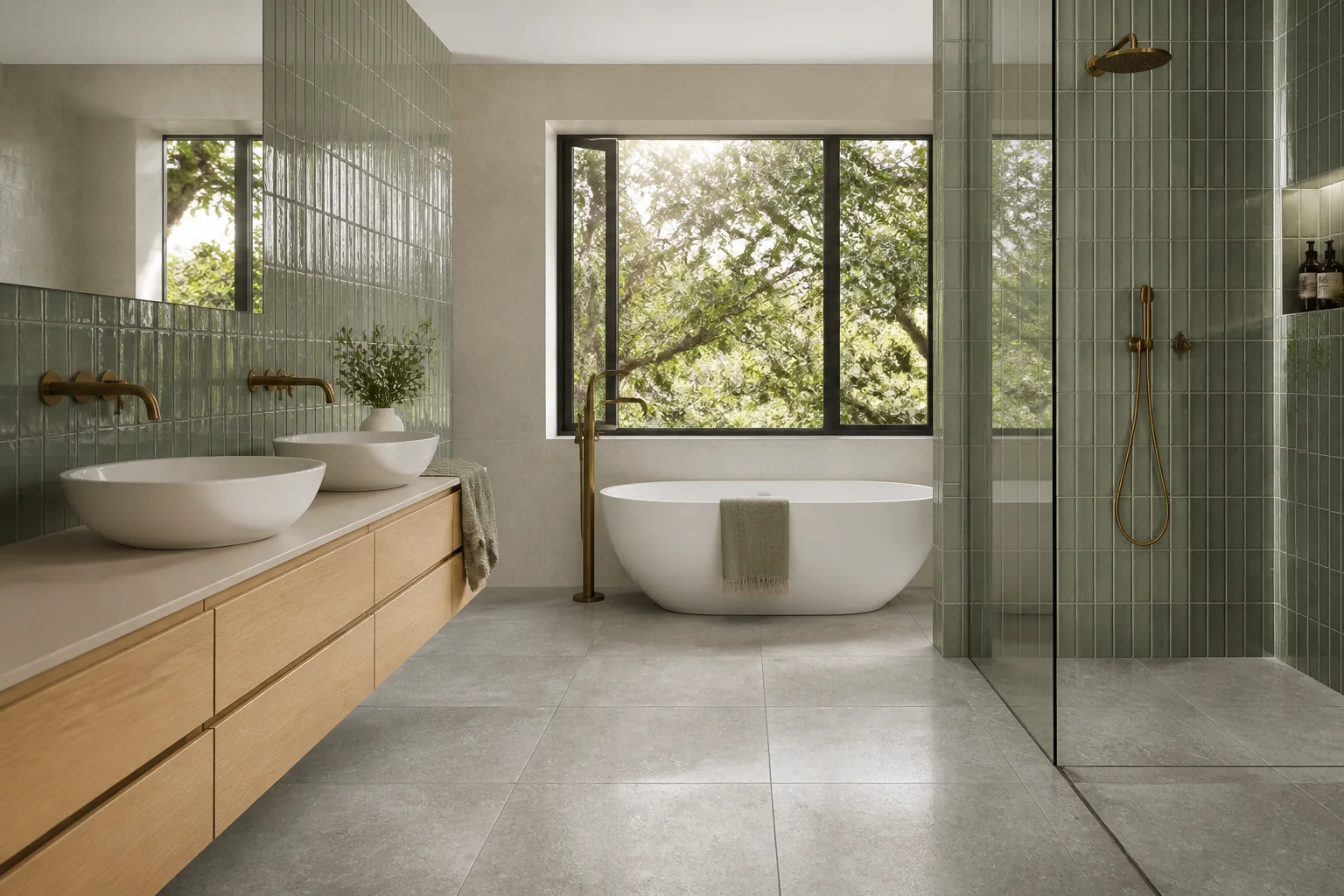
Choose ceramic tiles by comparing location, water exposure, slip, finish, dimensions, installation, cleaning and Australian project requirements.
2026-08-28

Choose tile colours by testing undertone, light, room size, grout, variation, fixed finishes, maintenance and full-size samples together.
2026-09-03

Choose bedroom tiles by weighing thermal feel, acoustics, slip, cleaning, underfloor heating, layout and coordination with furniture.
2026-09-07
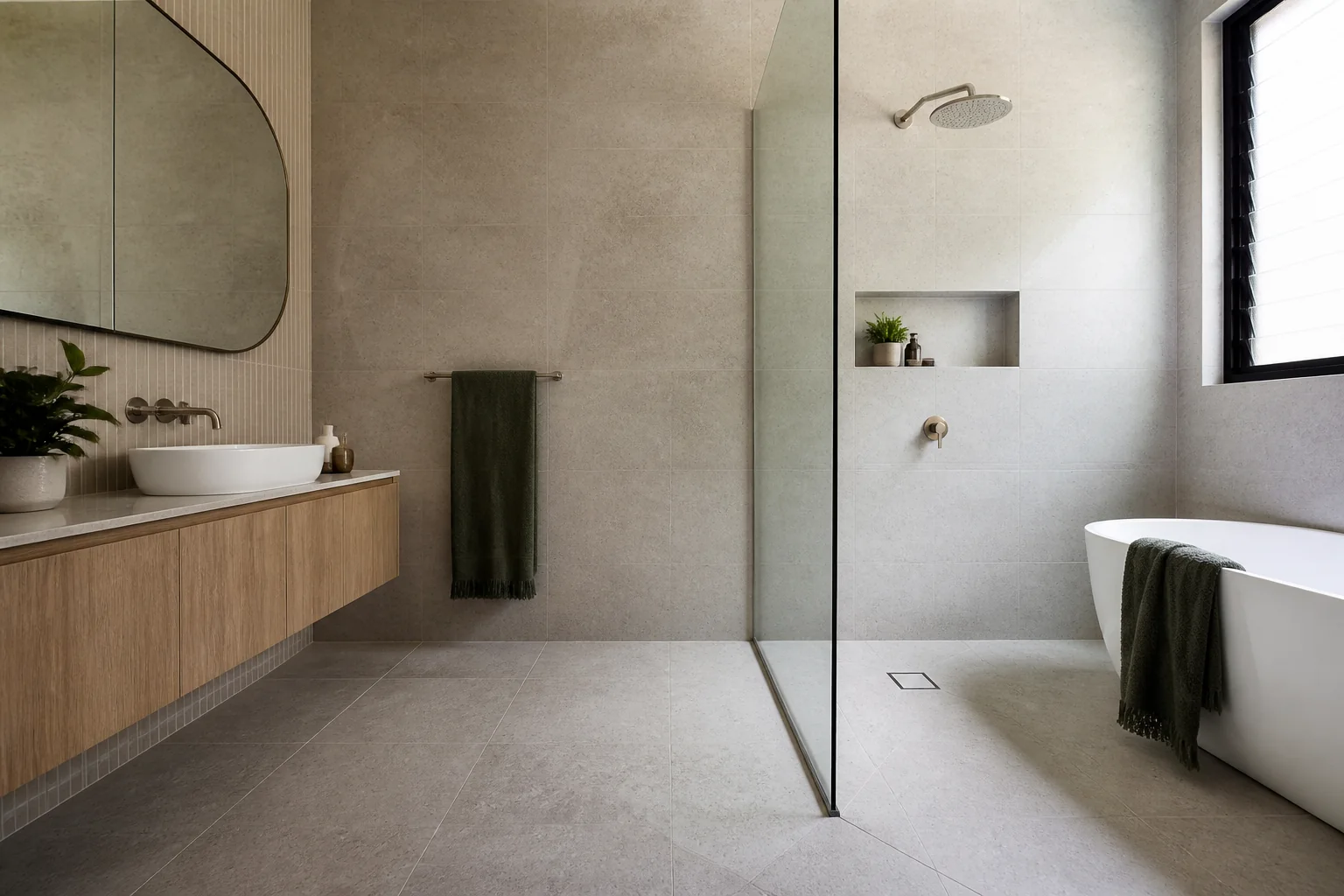
Evaluate bathroom tiles australian selection guide for Australian projects by checking intended use, product evidence, dimensions, installation, maintenance.
2026-09-11
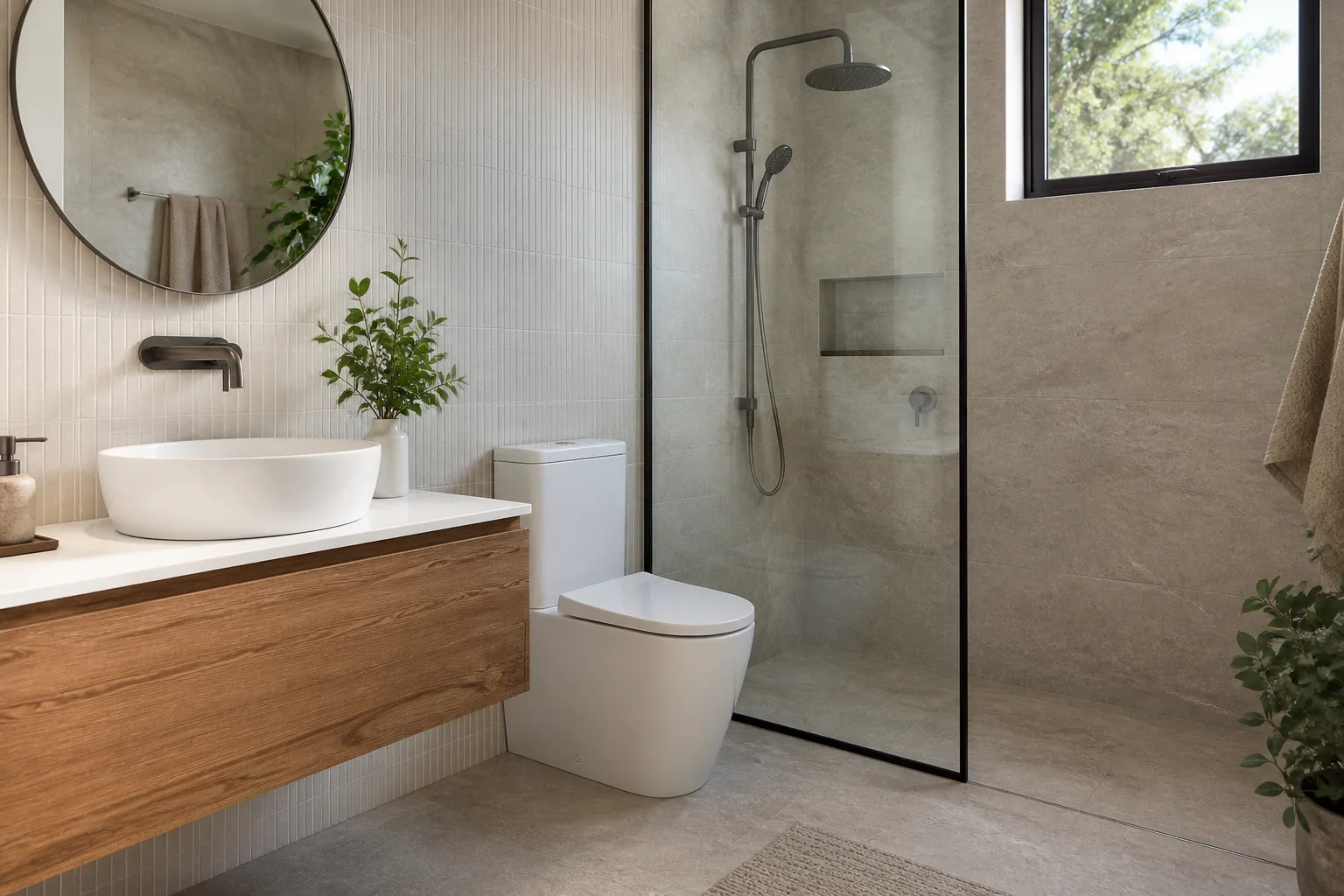
Evaluate Kassa products Australia for Australian projects by checking intended use, product evidence, dimensions, installation, maintenance, delivery and supp.
2026-09-15
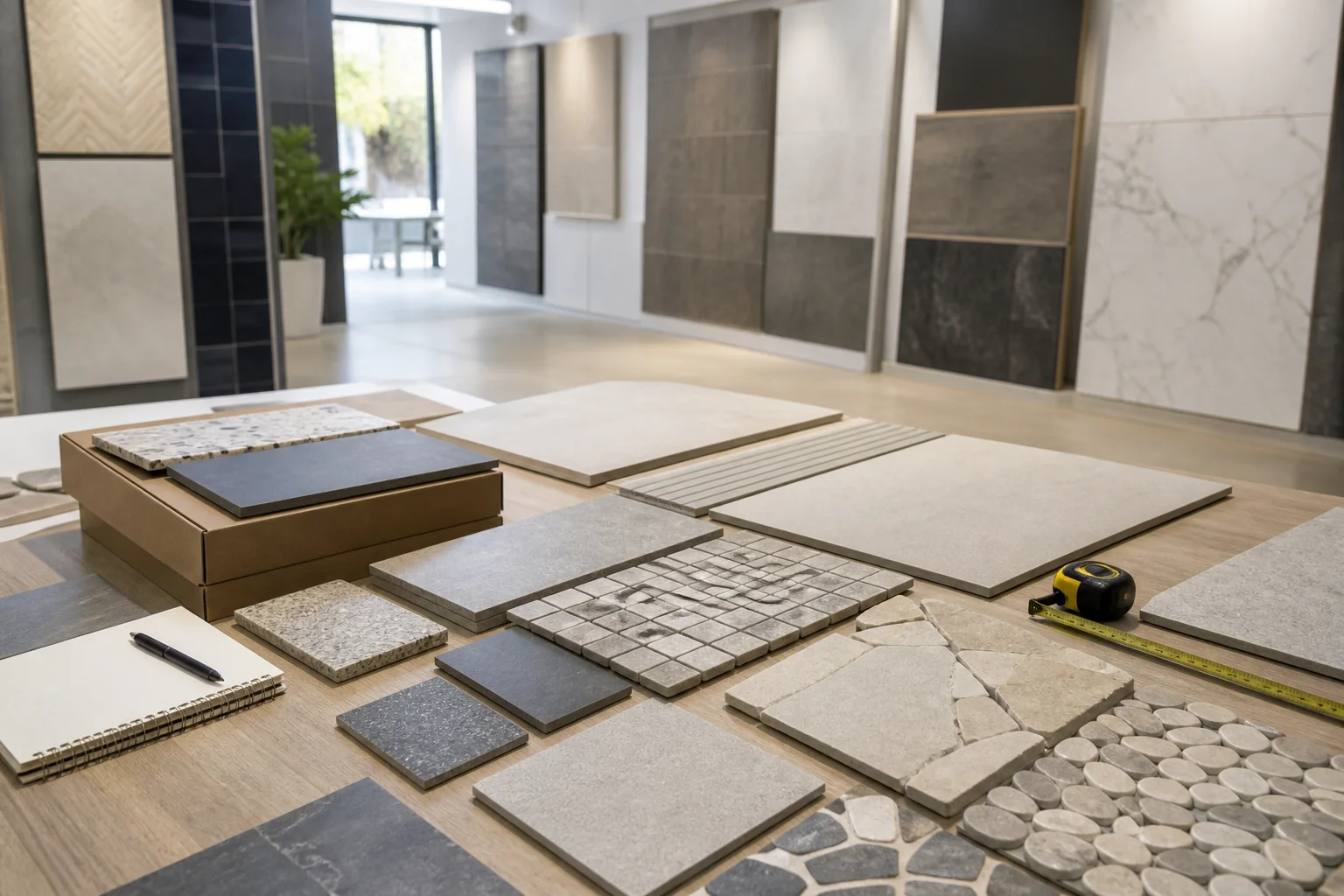
Calculate tile sizes and coverage from measured areas, openings, layout, cuts, carton rounding, waste and labelled spare stock.
2026-09-19