Decorative bathroom tiles succeed when the pattern supports the room rather than competing with it. Choose the focal surface after the vanity, shower, niche, door swing and lighting are drawn. A sample that looks attractive in a showroom can become difficult to clean or awkward to cut once it meets taps, shelves and corners.
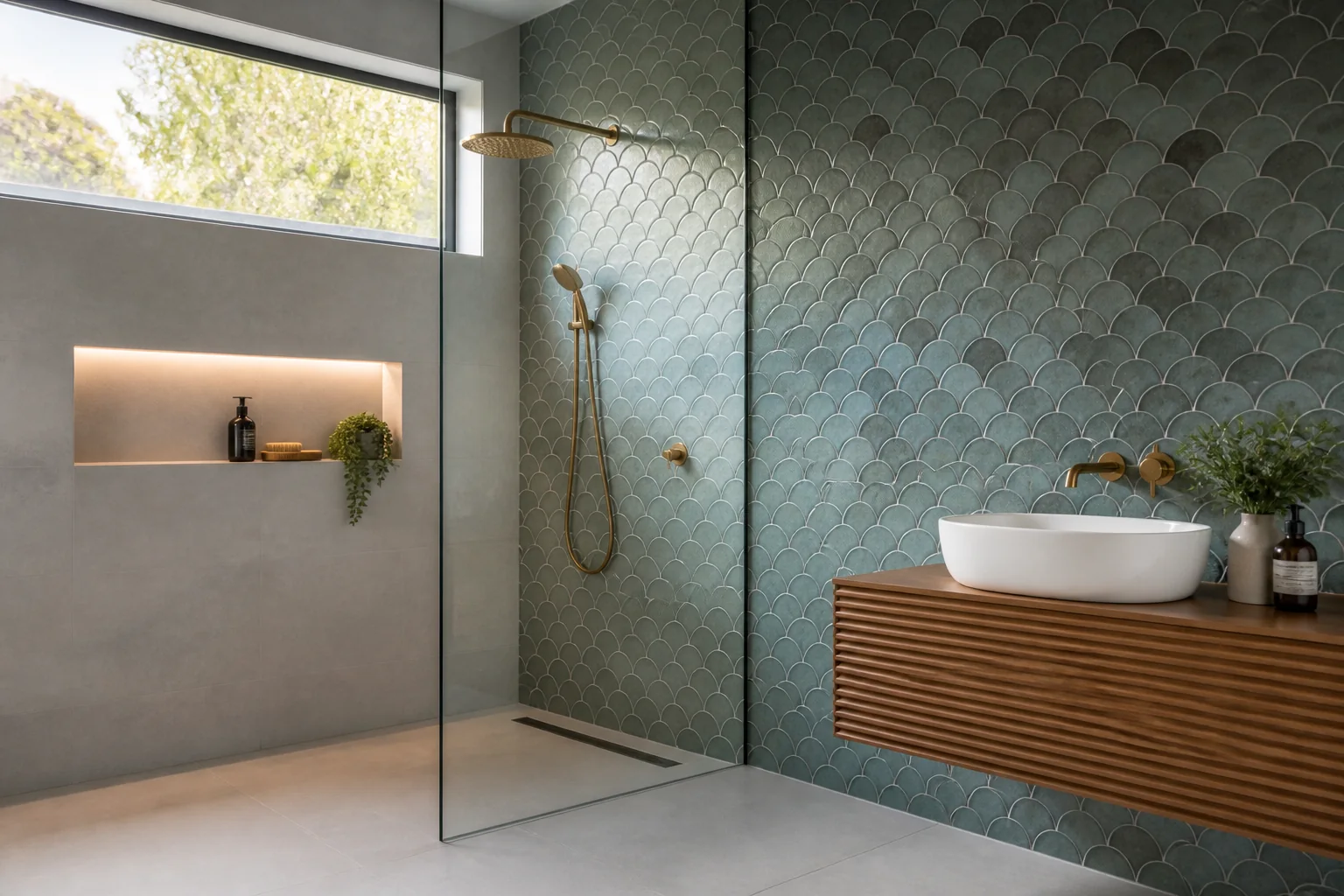
A shower back wall, vanity wall or niche can carry decoration without turning every surface into a feature. Mark the centreline, finished heights and the visible edges on an elevation. Then check how the repeat lands around mixers, power points, mirrors and access panels. The best layout is usually the one with fewer narrow slivers at the edges.
Waterproofing, falls, penetrations and movement joints are part of the tile system. Do not use a decorative tile to hide a change in substrate or a poorly planned junction. Record the tile thickness, adhesive bed, trim depth and grout joint so the finished surface meets adjoining paint, stone or a shower screen.
| Decision | What to record |
|---|---|
| Feature zone | Wall, niche or splashback, with its finished dimensions |
| Pattern | Module, orientation, repeat, cuts and spare pieces |
| Edges | Trim, return, mitre or concealed termination |
| Care | Cleaning method, sealing requirement and replacement route |
View several pieces under the actual bathroom lighting. Relief, metallic glaze and dark grout can show soap marks or lippage more readily than a flat sample. Keep the batch, product code and approved sample with the drawings so a replacement can be matched later.
Mark the grout direction, tile start point, cut lines, trims, silicone joints and any access panel on the elevation. Ask the installer to confirm the substrate and waterproofing inspection before the decorative surface is covered. This small record protects the design intent when another trade returns to replace a tap or screen.
Only when the exact tile, adhesive, grout and waterproofing system are suitable for that exposure. Confirm the product instructions rather than relying on the word decorative.
A close colour reduces visual noise; contrast highlights the pattern and every alignment. Decide after seeing a sample board.
Allow for the approved layout, cuts, breakage and a labelled maintenance reserve from the same batch.
Evidence boundary: Product suitability, Australian requirements, prices and installation responsibility depend on the selected system and project. Check current manufacturer documents and obtain advice from the relevant Australian building professional before approval.
For a project review, send the wall elevations, tile code, room photos, fixture positions and preferred finish through the Forge contact page.
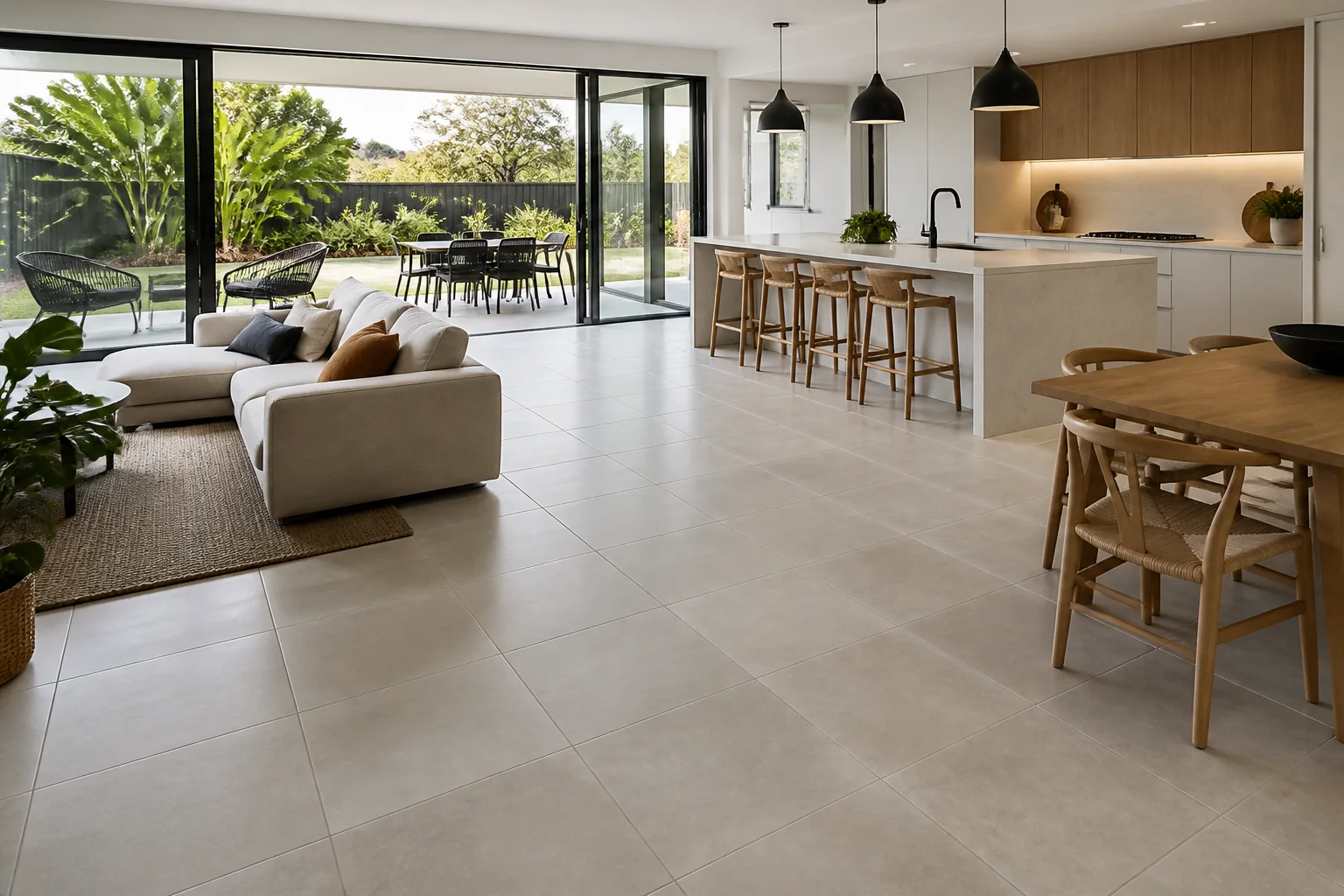
Choose floor tiles by comparing room use, slip, wear, size, substrate, cleaning, installation and long-term replacement requirements.
2026-08-31
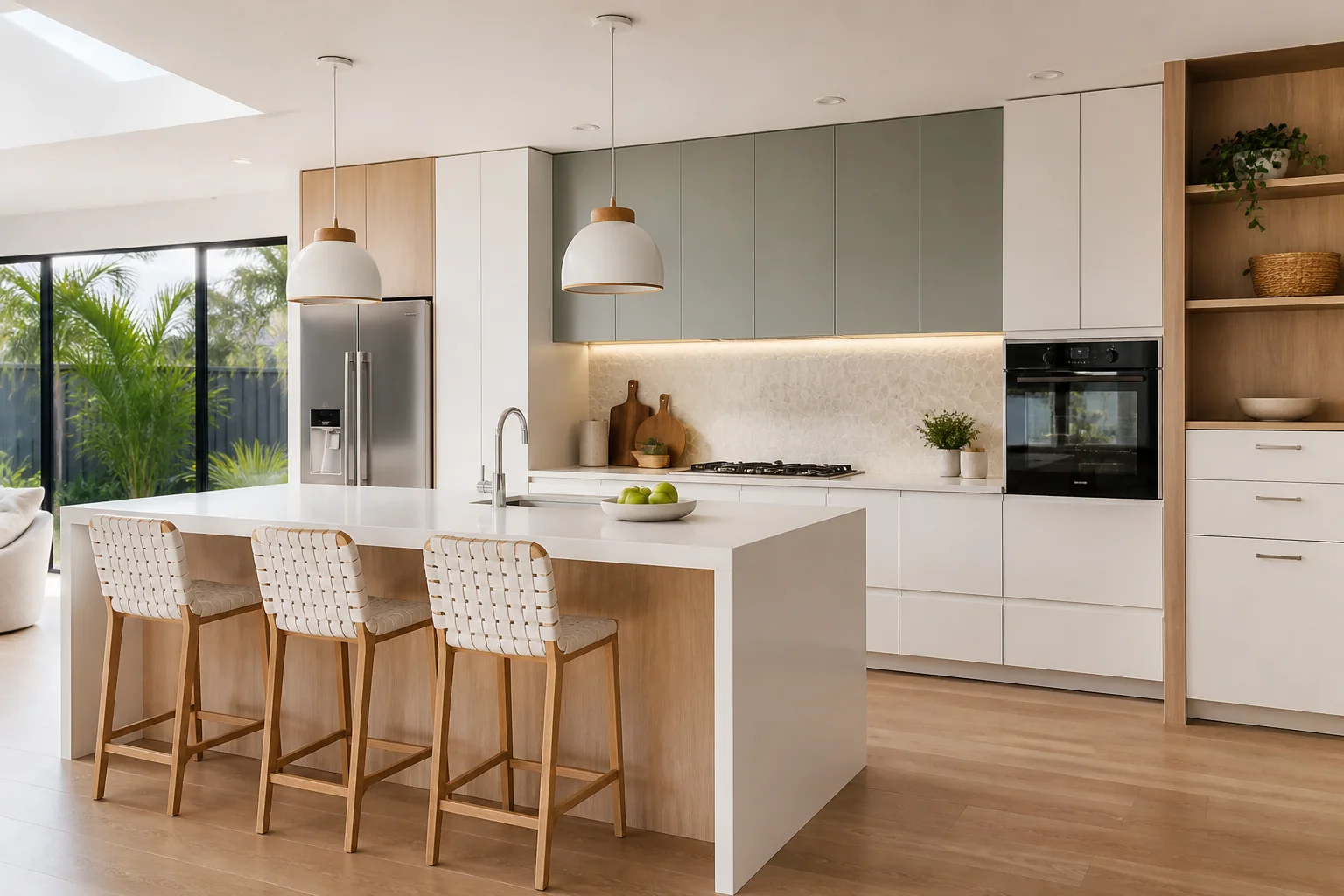
Compare modular kitchen sets by layout, cabinet construction, hardware, appliances, services, delivery, installation and whole-project cost.
2026-09-04
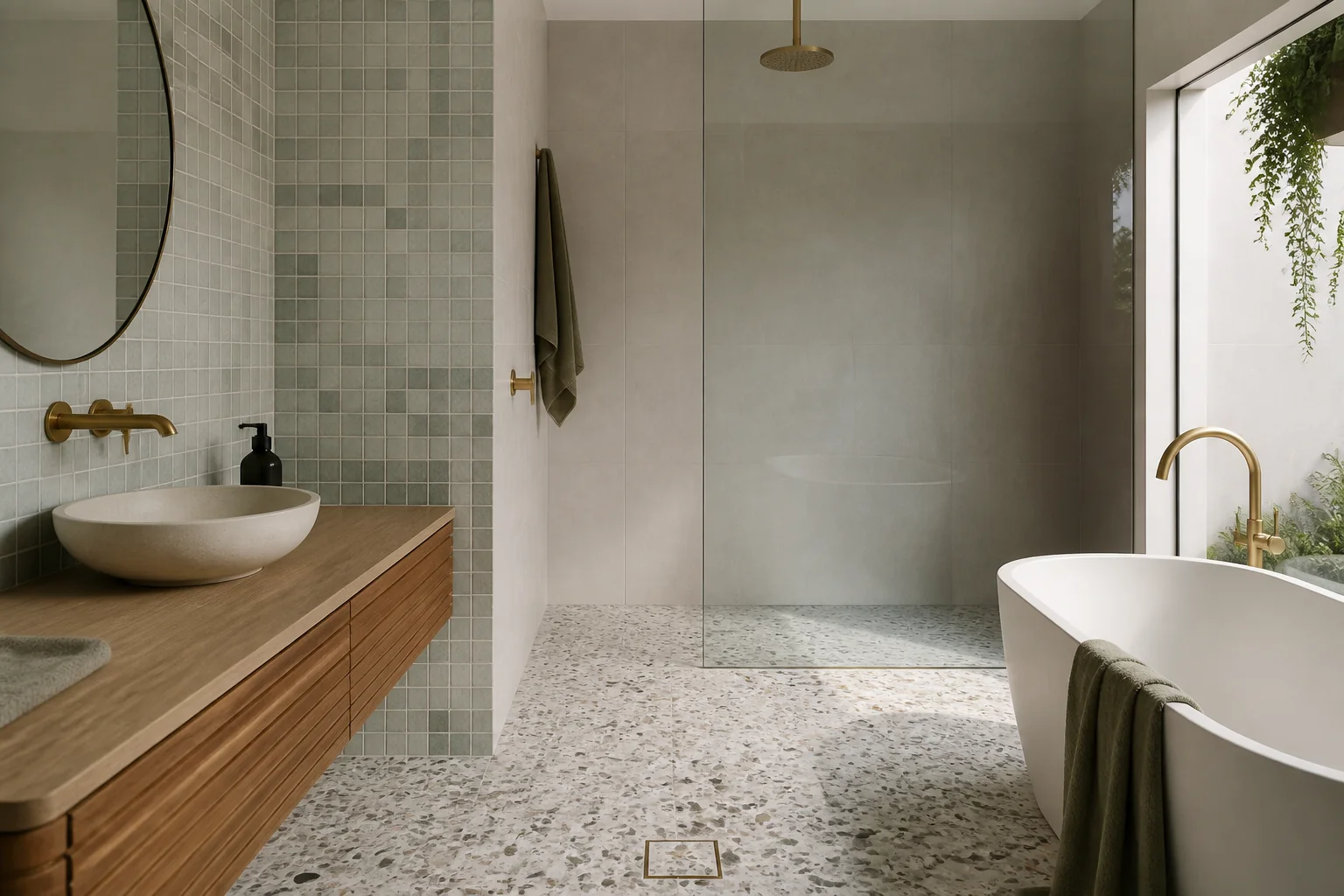
Compare mosaic and terrazzo tiles by composition, sheet layout, aggregate, joints, slip, sealing, substrate, installation, cleaning and repair.
2026-09-08

Evaluate Cotto products Australia for Australian projects by checking intended use, product evidence, dimensions, installation, maintenance, delivery and supp.
2026-09-12
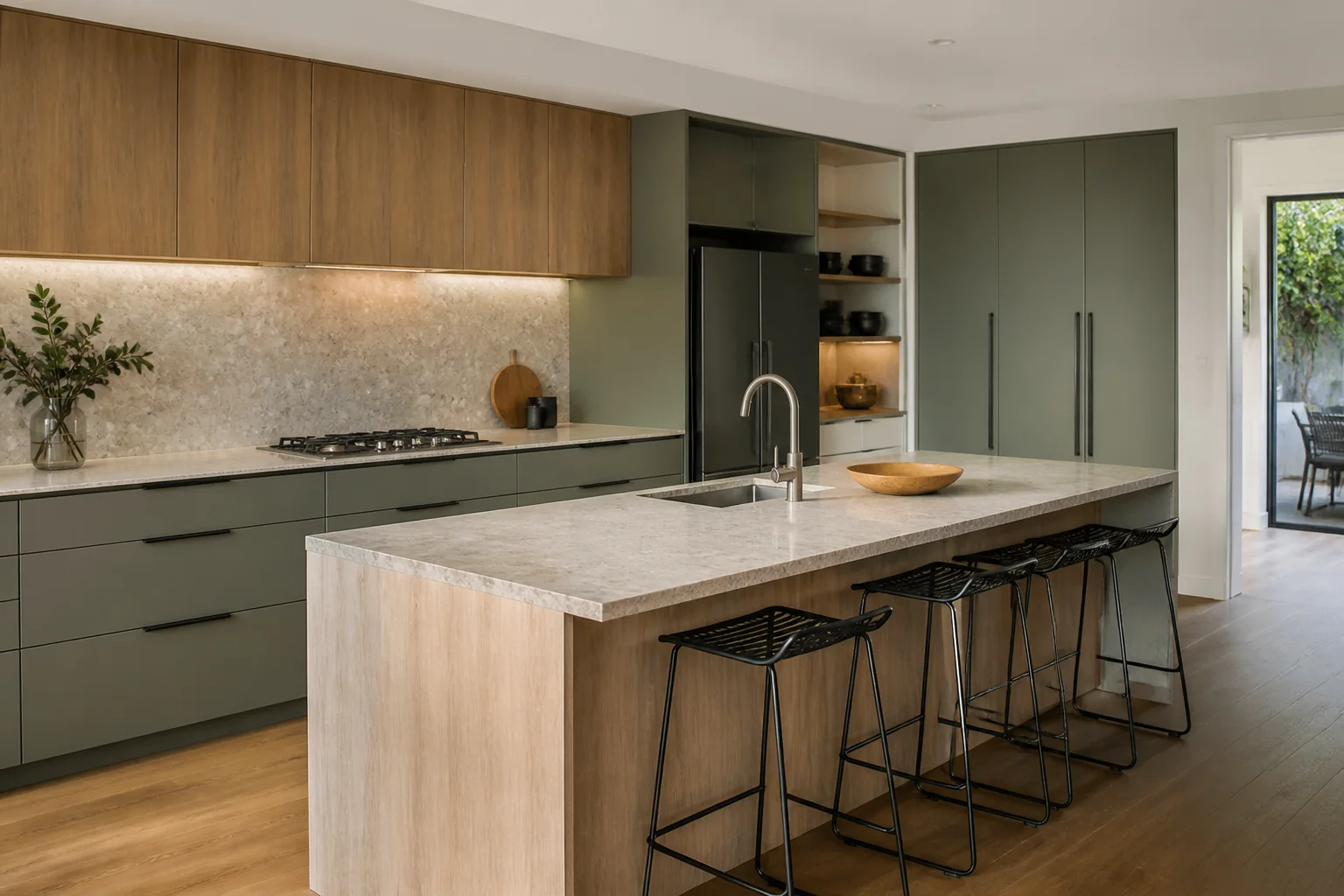
Select kitchen cabinets and modular furniture by comparing storage, carcass, doors, hardware, appliances, services, access and installation scope.
2026-09-16
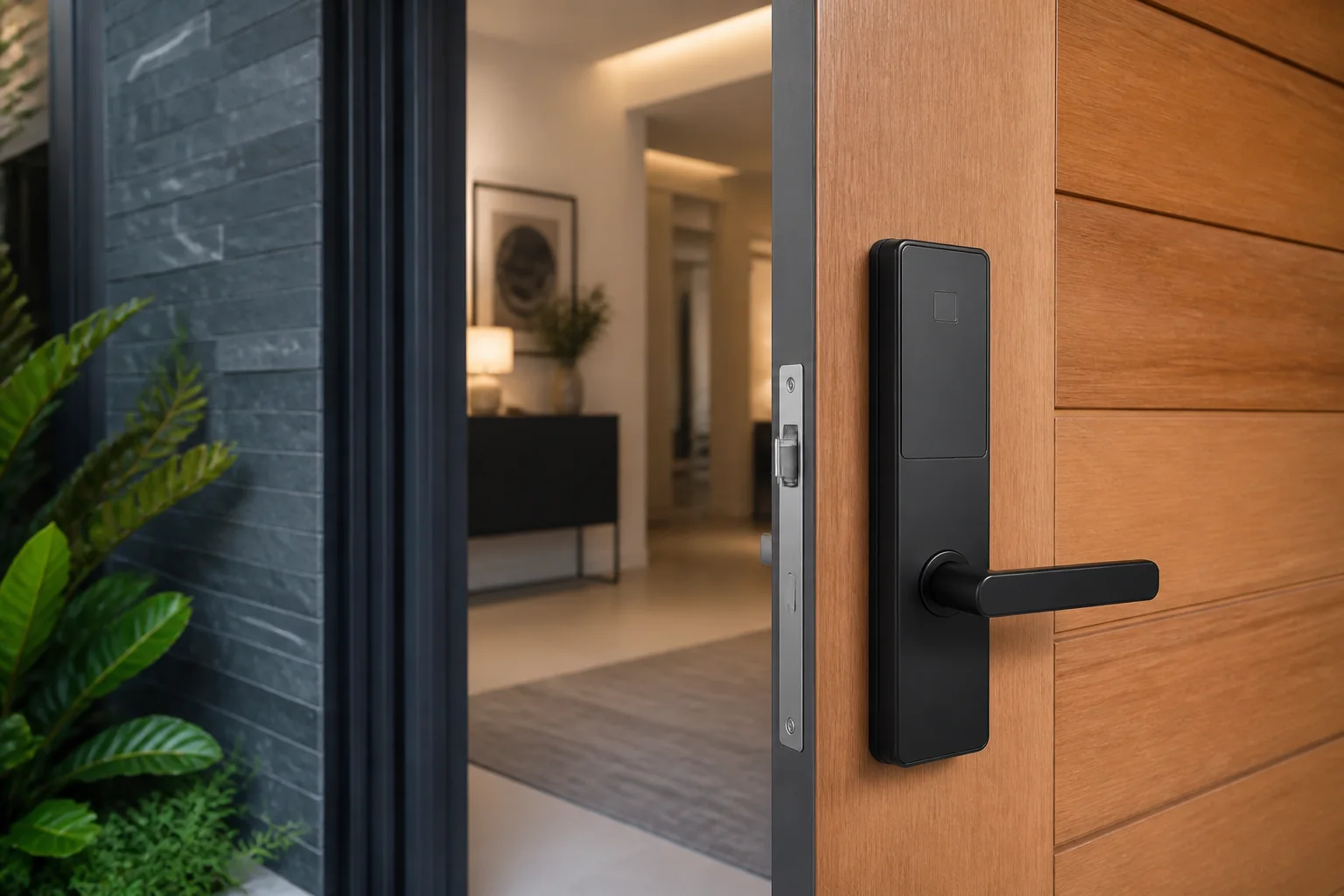
Evaluate digital door locks and access hardware types, meaning and applications for Australian projects by checking intended use, product evidence, dimensions.
2026-09-20