Direct answer: This article targets the Security door search intent. The decision depends on the complete system, glass, frame, seals, size, installation conditions, maintenance route and Australian evidence for the exact project.
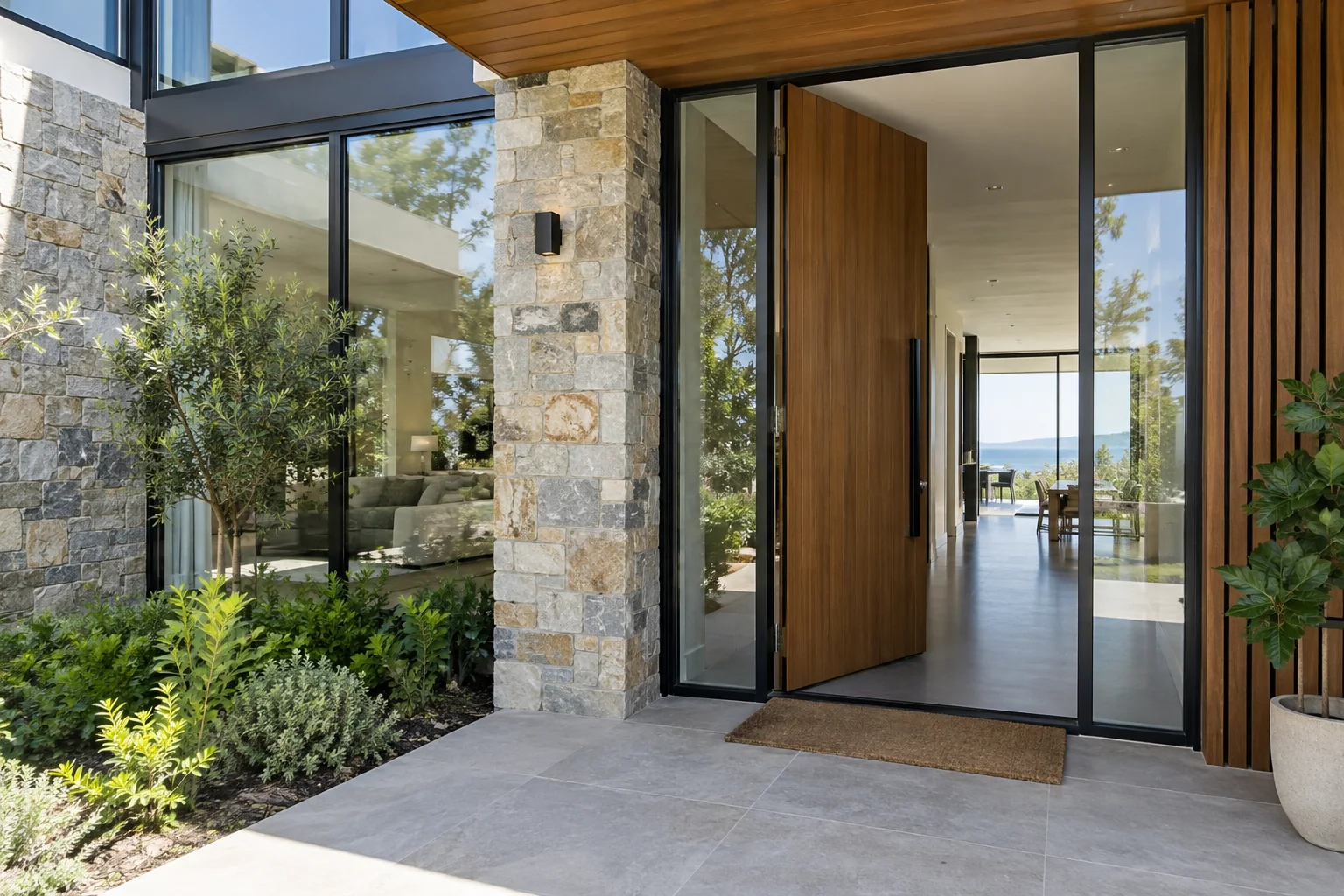
This query is primarily a comparison and specification search. The reader is not only asking which door looks best. They want to understand how cast aluminium, copper or bronze, stainless steel, timber, eco-wood, pre-finished and glass doors behave in different Australian exposures, how much maintenance each requires, and which details affect security and long-term repair.
| Material | Strengths | Limitations | Check before approval |
|---|---|---|---|
| Cast aluminium | Formable profiles, low routine maintenance and design flexibility | Coating, thermal movement and dissimilar-metal details still matter | Finish system, drainage, hinges and repair route |
| Stainless steel | Impact resistance and a clean commercial appearance | Grade, scratches, weld quality and coastal exposure affect performance | Grade, finish, fasteners and cleaning method |
| Copper or bronze | Distinctive architectural finish and patina potential | Colour change, staining and owner expectations require agreement | Finish intent, adjacent materials and maintenance schedule |
| Solid timber | Warm appearance and joinery-led detailing | Moisture movement and coating maintenance are significant | Seal faces, threshold, exposure and recoating responsibility |
| Glass door | Daylight, visibility and a strong connection to outdoor space | Safety glazing, privacy, solar gain and hardware must be coordinated | Glass build-up, visibility treatment, hinges and seals |
The finish is only one layer of the door system. Ask how the coating is applied, whether cut edges are protected, how the threshold drains, how the seals are replaced and which cleaning products are permitted. At the threshold, coordinate the door with the slab, waterproofing, external paving, fall, flashing and internal floor finish. A beautiful finish cannot compensate for a threshold that traps water or creates a trip edge.
Forge publicly describes a process that begins with drawings, dimensions, finishes, quantities, destination and timing, followed by design, confirmation, production, shipping and installation guidance. For a material comparison, send the same brief for each finish and ask Forge to identify what is confirmed, what remains subject to the selected model, and which installation responsibility sits with the local builder or installer.
| Parameter | Record | Why it matters |
|---|---|---|
| Structure and size | material, finish, glass, seals, threshold, hinges, lock, drainage, corrosion exposure | Limits weight, movement, drainage, transport and installation access. |
| Glass and seals | Glass build-up, safety treatment, spacer, gaskets, weather seals and perimeter sealant. | Controls comfort, safety, air leakage, water and noise. |
| Site | Location, orientation, climate, wind, rain, coastal exposure, floor level, structure and waterproofing. | The same nominal product can require different project details. |
| Documents | Drawings, test scope, installation assumptions, warranty, exclusions and maintenance instructions. | Prevents marketing language being mistaken for approval evidence. |
Verify the opening, threshold and finish sample; install square and plumb; fit hardware; seal the perimeter; check drainage; record the handover condition.
Inspect coatings, hardware, seals and threshold drainage twice a year, more often in coastal or high-traffic locations. Common faults are water at the sill, loose hardware, finish damage and failed seals.
Forge publishes enquiry, drawing or measurement review, design, confirmation, production, shipping and installation guidance, plus a 5-year global warranty statement. Confirm the exact product, warranty scope, exclusions, delivery and local installation responsibility in writing. Forge information does not replace Australian building approval.
References: NCC, YourHome, Energy.gov.au, TOSTEM, LIXIL catalogue and TISI. These are reference examples only, not proof of Australian compliance or Forge equivalence.
There is no universal answer. Compare the exact grade or coating, drainage, fasteners, exposure, maintenance access and warranty exclusions for the selected system.
No. It may reduce finishing work, but seals, hardware, drainage, glass and the finish still need inspection and cleaning.
Forge can review a written project brief, but the exact finish, product scope, warranty terms and exclusions should be confirmed in the quotation and approved product documents.
This guide is for planning and comparison. It is not an engineering certificate, product test report, building approval or warranty document. Verify the exact Forge configuration and current Australian requirements before ordering.
Send the location, drawings or measurements, quantities, finish, performance priority and target schedule through the Forge contact page.
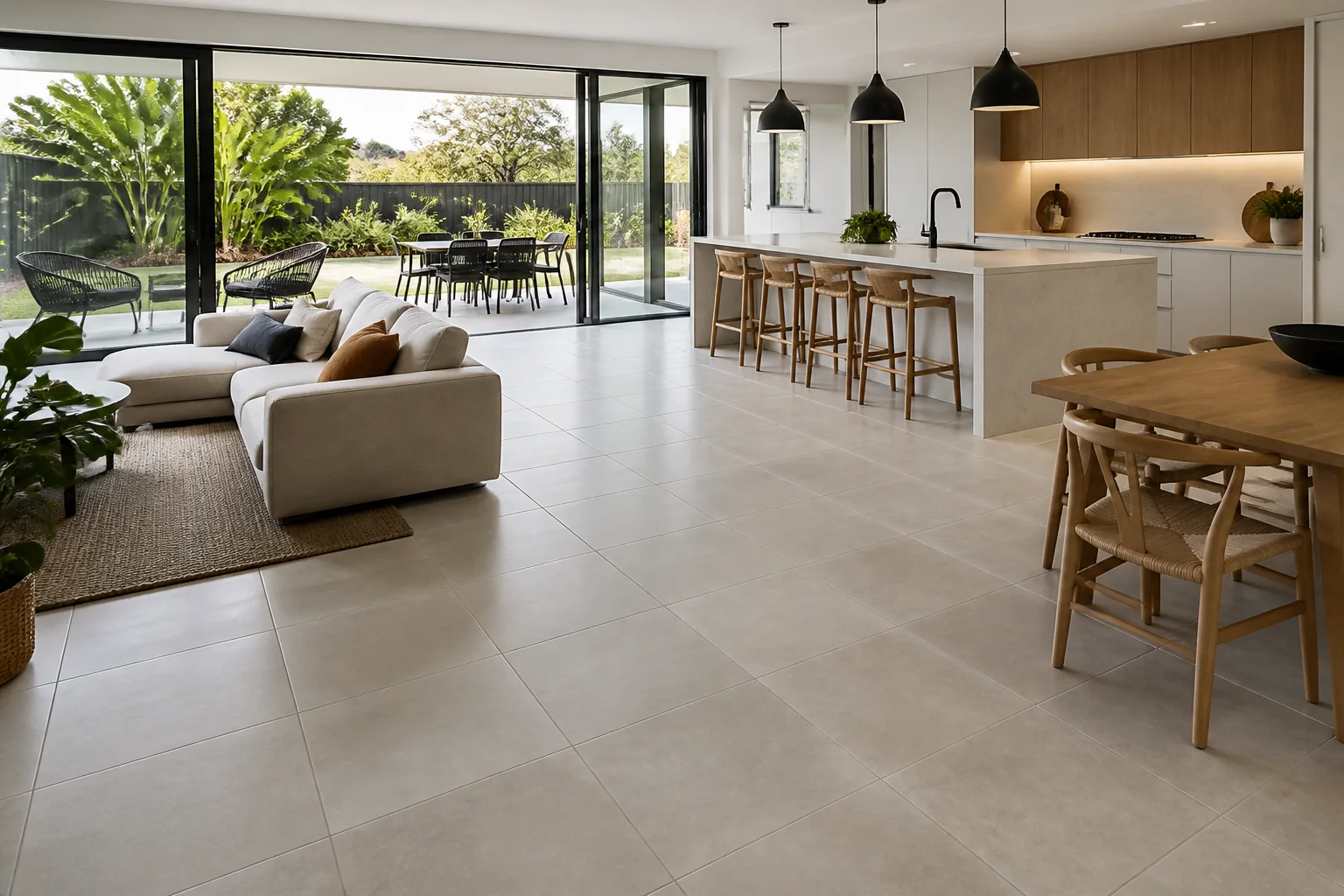
Choose floor tiles by comparing room use, slip, wear, size, substrate, cleaning, installation and long-term replacement requirements.
2026-08-31

Compare modular kitchen sets by layout, cabinet construction, hardware, appliances, services, delivery, installation and whole-project cost.
2026-09-04
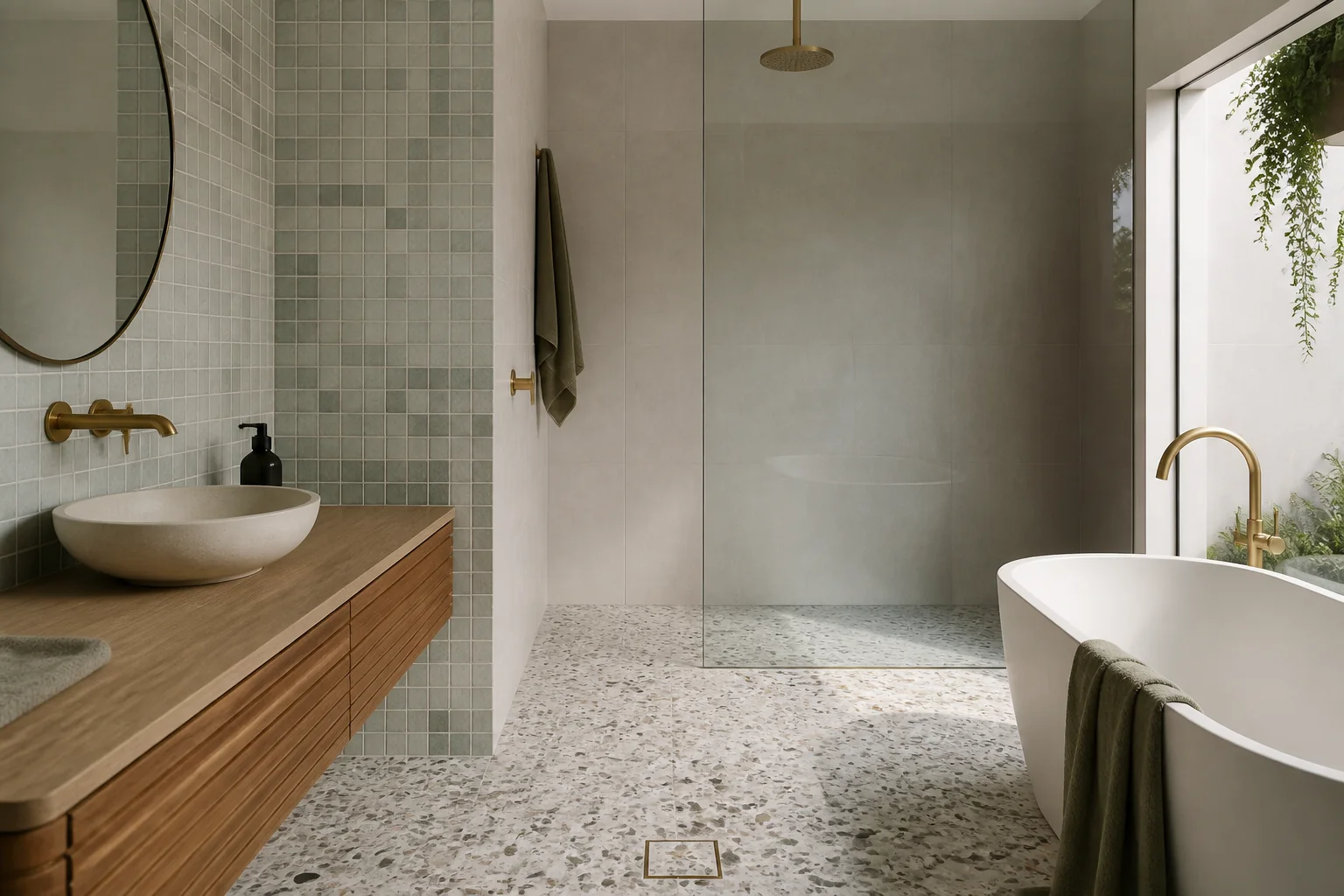
Compare mosaic and terrazzo tiles by composition, sheet layout, aggregate, joints, slip, sealing, substrate, installation, cleaning and repair.
2026-09-08

Evaluate Cotto products Australia for Australian projects by checking intended use, product evidence, dimensions, installation, maintenance, delivery and supp.
2026-09-12
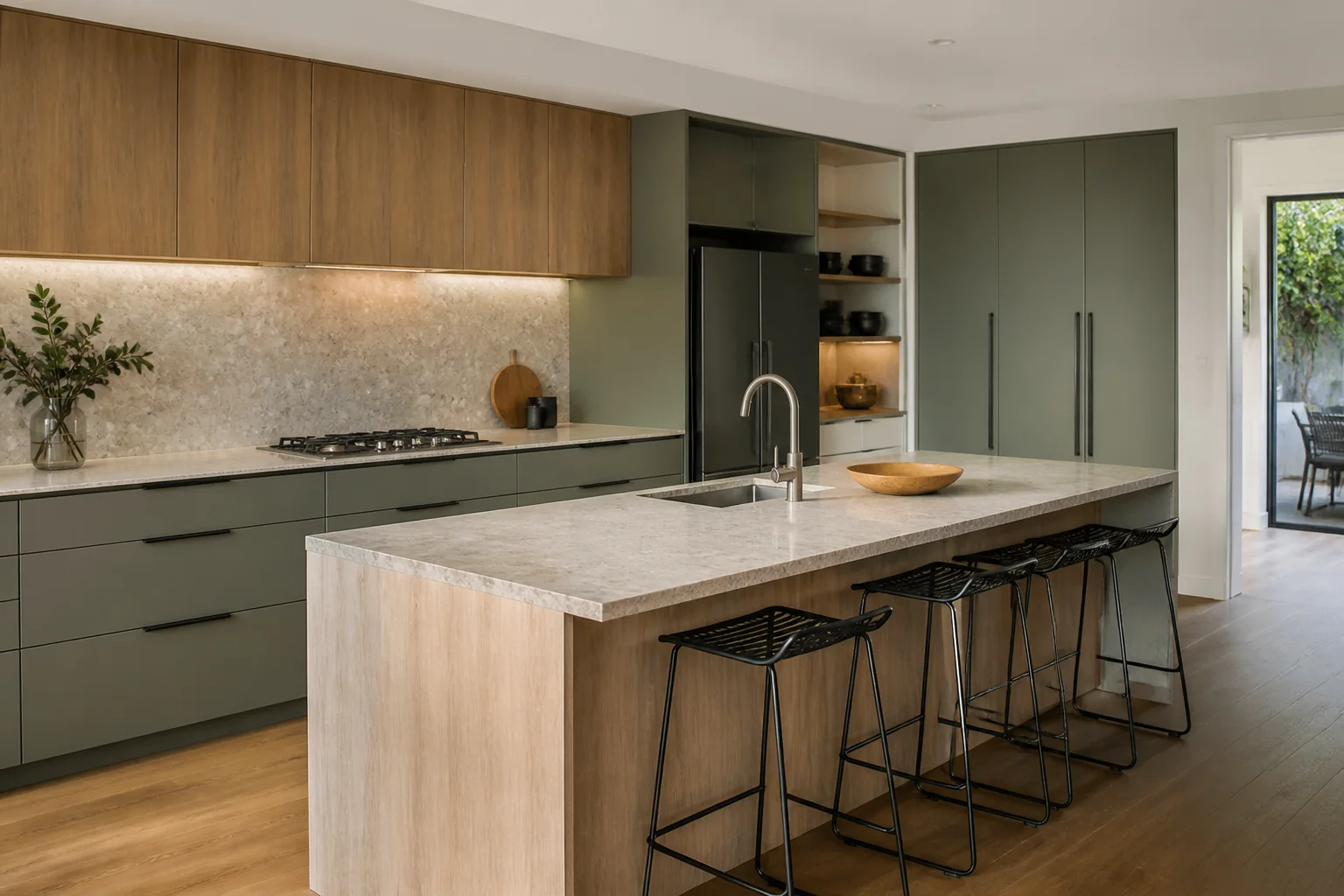
Select kitchen cabinets and modular furniture by comparing storage, carcass, doors, hardware, appliances, services, access and installation scope.
2026-09-16
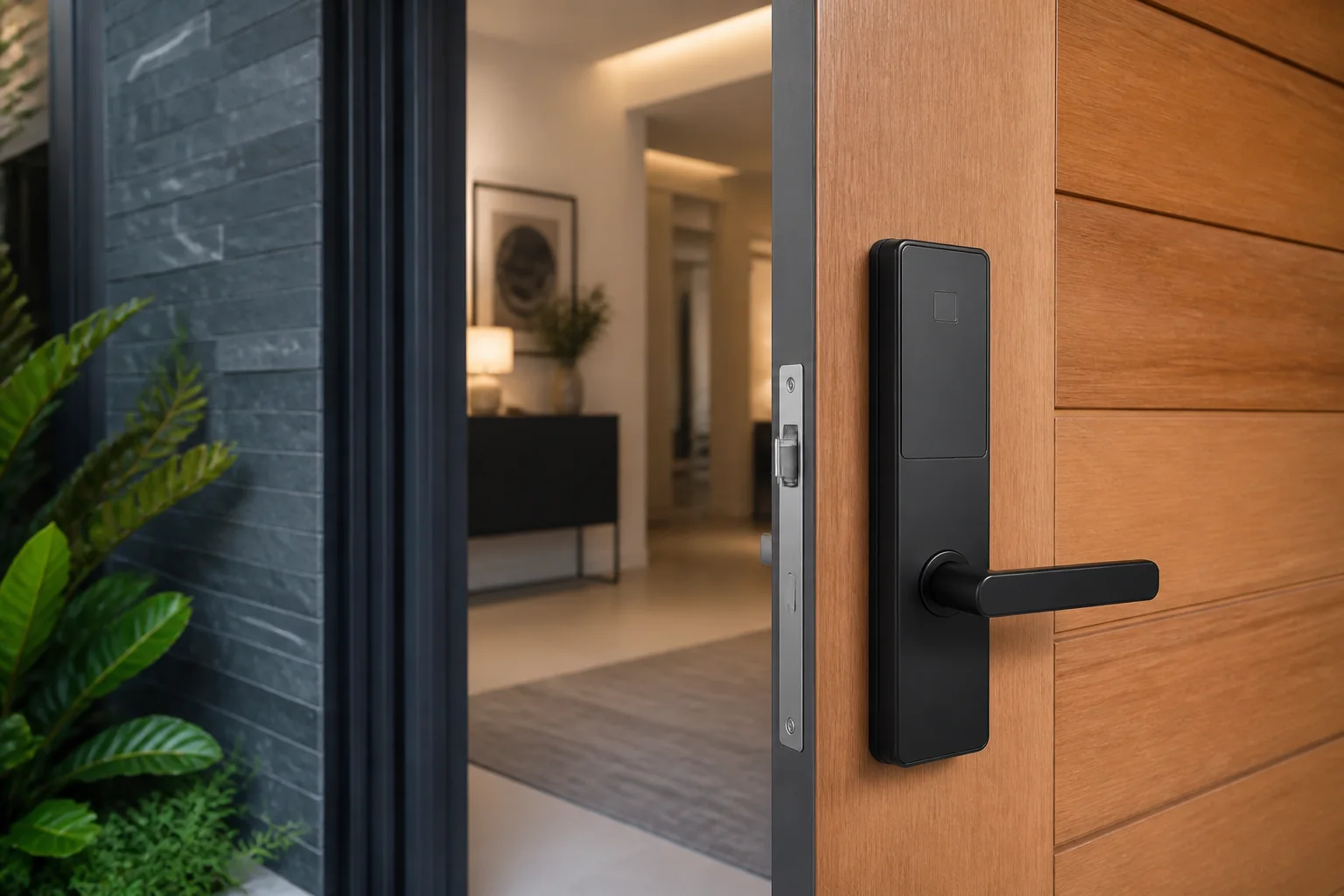
Evaluate digital door locks and access hardware types, meaning and applications for Australian projects by checking intended use, product evidence, dimensions.
2026-09-20